Portuguese Camino: Complete Route Guide
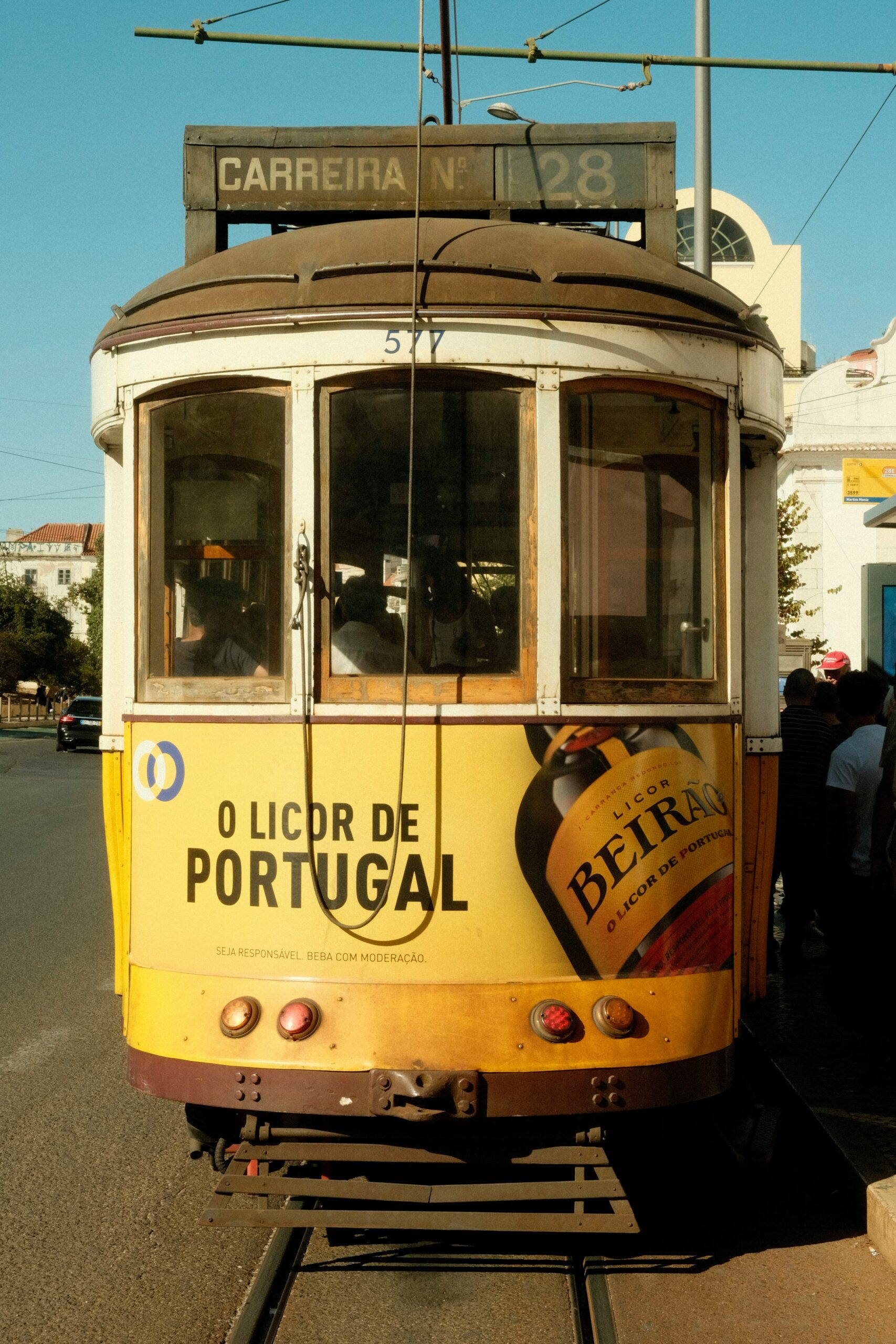
Photo by Denis on Unsplash
February 28, 2026 · 4 min read
Portuguese Camino: Complete Route Guide
If you’re considering embarking on a pilgrimage along the Portuguese Camino, you’re in for a treat. This route offers a blend of stunning landscapes, rich culture, and delicious gastronomy. The Portuguese Camino consists of two main variants: the central route via Tui and the coastal route, both of which have their unique charm and appeal. Let’s dive into this comprehensive guide to help you navigate your journey.
Starting Points: Lisbon, Porto, or Tui
The Portuguese Camino can be tackled from three main starting points: Lisbon, Porto, or Tui. If you start from Lisbon, you’ll cover approximately 600 kilometers, making it a significant challenge that takes roughly 28-35 days to complete. This route leads you through the heart of Portugal, passing through charming villages and lush vineyards.
If you choose to begin in Porto, you’ll have a shorter journey of around 240 kilometers, which typically takes about 10-14 days. This route is popular among pilgrims for its historic significance and vibrant atmosphere. Lastly, starting from Tui, you’ll cover about 115 kilometers, a journey that can be completed in 5-7 days. This section is perfect for those who want a shorter pilgrimage while still experiencing the essence of the Camino.
The Central Route via Tui
The central route is a fantastic way to experience the Portuguese Camino. The journey begins in Tui, a lovely town just across the river from Spain. As you walk through Galicia, you’ll enjoy a mix of lush green landscapes and charming stone villages. The stages of the central route are well-marked and offer plenty of opportunities to meet fellow pilgrims.
Key stages include Tui to O Porriño, O Porriño to Redondela, and Redondela to Pontevedra. Each leg varies in distance, typically ranging from 20 to 25 kilometers. Highlights along this route include the stunning views from the viewpoint of Monte de Santa Trega and the historic architecture of Pontevedra.
The Coastal Route
On the other hand, if you prefer the sound of waves crashing against the shore and the scent of salt in the air, the coastal route is calling your name. This route begins in Porto and hugs the coastline, offering breathtaking views of the Atlantic Ocean.
👉 Which Camino de Santiago Route Should You Choose?
The stages of the coastal route can be a bit longer, often ranging from 25 to 30 kilometers. Key points of interest include the beautiful beaches of Espinho and the picturesque town of A Guarda, where you can take a moment to enjoy some fresh seafood. The coastal route is generally considered a bit more challenging due to its terrain, but the reward is worth it.
Landscape and Scenery
No matter which route you choose, the landscapes you’ll encounter on the Portuguese Camino are nothing short of spectacular. From the rolling hills and vineyards of the central route to the dramatic cliffs and sandy beaches of the coastal path, each step brings a new vista. The lush greenery of Portugal, especially in the spring, is a sight to behold, making it an excellent time for nature lovers.
Gastronomy Along the Way
One of the best parts of any Camino is the food. The Portuguese Camino is no exception. As you walk, you’ll have the opportunity to indulge in local delicacies. In Lisbon, don’t miss trying the famous pastéis de nata, a delicious custard tart that will fuel your journey.
As you make your way north, you’ll find hearty Galician dishes such as pulpo a la gallega (octopus) and empanada, a savory pie filled with various ingredients. The region is also known for its excellent wines, particularly the Vinho Verde, which is a refreshing treat after a long day of walking.
Cultural Highlights
Along the Portuguese Camino, you’ll encounter numerous cultural landmarks that make the journey even more enriching. From ancient churches to historic town squares, each stop is a glimpse into the rich tapestry of Portuguese history. Be sure to visit the Cathedral of Santiago in Santiago de Compostela, the ultimate destination for all pilgrims.
👉 Camino de Santiago in 7 Days: Short Route Options
The Portuguese people are warm and welcoming, often eager to share stories and traditions with travelers. Engaging with locals can enhance your experience and provide insights into the culture that you might otherwise miss.
Best Time to Walk
The best times to walk the Portuguese Camino are during the spring (April to June) and fall (September to October). During these months, the weather is generally mild, providing comfortable walking conditions. Summer can be quite hot, especially in the southern sections, while winter may bring rain and colder temperatures.
Difficulty Compared to the French Camino
When comparing the Portuguese Camino to the more famous French Camino, many pilgrims find the Portuguese variation to be slightly less challenging. While there are some steep sections, particularly on the coastal route, overall, the terrain is manageable for most walkers. The paths are well-marked and offer an array of services, including albergues (hostels) and cafés, making it a friendly option for both seasoned pilgrims and newcomers.
In conclusion, the Portuguese Camino offers a unique blend of natural beauty, cultural richness, and delicious culinary experiences. Whether you choose the central route via Tui or the coastal path, you’re sure to walk away with unforgettable memories.
If you’re looking to plan your pilgrimage, consider using SenderoX. With Santiago, their AI assistant, you can create personalized itineraries tailored to your preferences. Happy walking!
Your personalized itinerary in minutes
Chat with Santiago, our AI assistant, and get a tailored itinerary with handpicked hotels, direct contacts, and everything you need for your dates.