Camino del Norte: Guide to the Coastal Route
March 01, 2026 · 4 min read
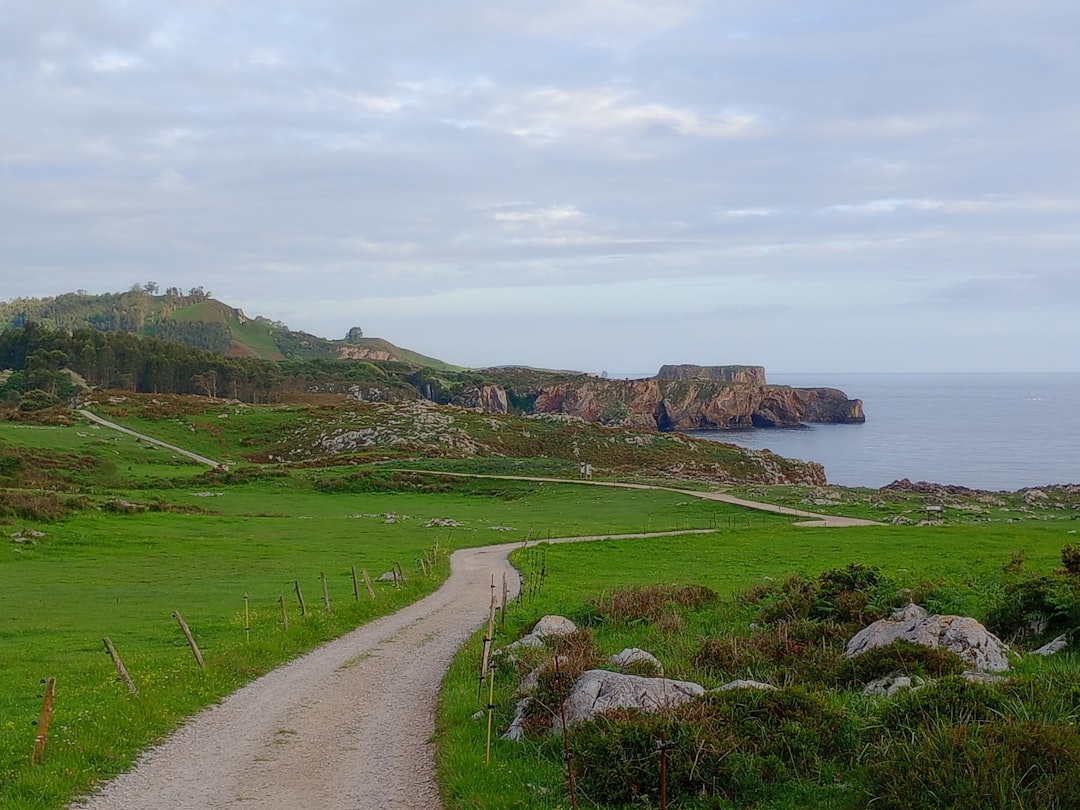
Photo by Ian Yates on Unsplash
Camino del Norte: Guide to the Coastal Route
If you’re considering walking the Camino del Norte, you’re in for a treat! This route stretches approximately 825 kilometers along Spain’s stunning northern coast, taking you through the lush landscapes of the Basque Country, Cantabria, Asturias, and Galicia. The Camino del Norte is known for its spectacular coastal scenery and a more challenging terrain than its famous counterpart, the Camino Francés. Let me walk you through everything you need to know to make your pilgrimage memorable.
Overview of the Camino del Norte
The Camino del Norte begins in Irún, near the French border, and winds its way through picturesque towns and breathtaking landscapes before reaching the final destination of Santiago de Compostela. The elevation changes make this route more demanding, with a mix of rugged coastal paths, charming villages, and rolling hills. While it might be tougher than the Camino Francés, the reward is a quieter experience with fewer pilgrims, allowing you to connect more deeply with nature and your thoughts.
Stages and Highlights
The Camino del Norte is typically divided into 33 stages, but you can customize your journey based on your fitness level and time. Each stage offers its own unique charm and highlights. Starting in Irún, you can explore the vibrant Basque culture. Don’t miss the chance to savor pintxos, the local tapas-style snacks, as you make your way through San Sebastián, known for its stunning beaches and culinary delights.
As you continue through Cantabria, the town of Santillana del Mar is a must-visit, with its medieval architecture and nearby Altamira Caves, famous for their prehistoric cave paintings. The path then leads you to Asturias, where the lush green landscapes are dotted with charming villages. In Gijón, take a break and sample the region’s delicious seafood, including fresh octopus and fabada asturiana, a hearty bean stew.
The final stretch through Galicia offers a unique ambiance. The town of Santiago de Compostela is filled with history and spirituality. Make sure to visit the stunning cathedral, which houses the remains of St. James, the apostle after whom the Camino is named. This is the culmination of your journey, and the sense of accomplishment is palpable as you step into the bustling square.
👉 Which Camino de Santiago Route Should You Choose?
Best Time to Walk the Camino del Norte
The best time to walk the Camino del Norte is between late spring and early autumn, from May to September. During these months, you can enjoy mild weather, longer days, and a vibrant atmosphere. However, keep in mind that the northern coast of Spain can be unpredictable, so it’s wise to pack layers and be prepared for rain. If you prefer a quieter experience, consider walking in late September or October, when the crowds thin out, and the landscape showcases beautiful autumn colors.
Gastronomy Along the Route
One of the great joys of the Camino del Norte is the opportunity to indulge in the region’s gastronomy. Each area has its specialty, and you’ll find plenty of options to fuel your journey. In the Basque Country, be sure to try pintxos, a delightful variety of small dishes that are perfect for sharing. From seafood to meats and vegetables, the creativity in these bites is endless.
As you venture into Cantabria, savor the famous sobao, a rich sponge cake, and quesada, a creamy cheesecake-like dessert that is simply irresistible. Asturias offers a culinary experience that features fresh seafood, particularly the renowned asturian cider, which pairs beautifully with many local dishes. Don’t forget to try the region’s hearty stews, such as the famous fabada.
Finally, in Galicia, seafood takes center stage. The octopus dish, pulpo a la gallega, is a must-try, along with other delicacies like percebes (goose barnacles) and empanada gallega (Galician pie). Each meal is not just a chance to refuel but an experience that connects you with the region’s culture and traditions.
👉 Camino de Santiago in 7 Days: Short Route Options
Preparing for the Camino del Norte
Before you embark on this journey, it’s essential to prepare adequately. Train for the varying elevation changes and ensure your footwear is comfortable and broken in. Packing light is key; aim for a backpack that weighs no more than 10% of your body weight. Since accommodations can fill up quickly during peak seasons, consider booking in advance, especially in popular towns.
A vital part of the Camino experience is having the right credentials. Make sure to obtain your pilgrim’s passport, which you can get stamped along the way. This serves as proof of your journey and is necessary for receiving your Compostela certificate upon reaching Santiago.
Final Thoughts
Walking the Camino del Norte is more than just a physical journey; it’s a chance to reflect, connect with fellow pilgrims, and immerse yourself in the stunning landscapes and rich culture of northern Spain. With its less crowded paths, breathtaking views, and delicious food, it’s an experience that will stay with you long after you return home.
If you’re feeling inspired and ready to plan your own Camino adventure, consider reaching out to SenderoX. With Santiago, their personal assistant, they can help create personalized itineraries tailored to your preferences, ensuring that your pilgrimage is not just a walk, but a meaningful journey.
Your personalized itinerary in minutes
Chat with Santiago, our personal assistant, and get a tailored itinerary with handpicked hotels, direct contacts, and everything you need for your dates.