Camino de Santiago Albergues: Complete Hostel Guide
March 05, 2026 · 4 min read
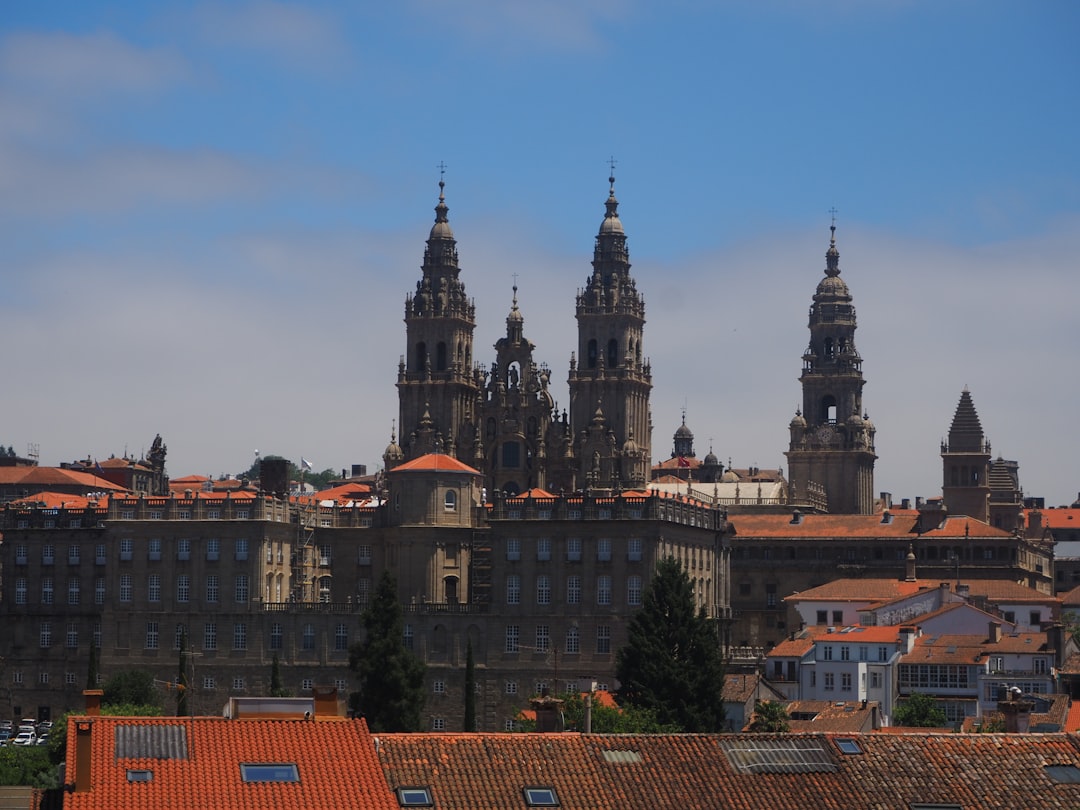
Photo by Linda Cunningham on Unsplash
Camino de Santiago Albergues: Complete Hostel Guide
The Camino de Santiago, with its breathtaking landscapes and rich history, attracts thousands of pilgrims each year, and a crucial part of the experience is staying in albergues. Albergues, or hostels, are not just places to rest your weary feet; they are also vibrant communities where you can meet fellow pilgrims from all over the world. Let’s dive into everything you need to know about camino albergues hostels, so you can make the most of your journey.
Types of Albergues
When you set off on your Camino, you’ll come across various types of albergues, each offering a unique experience. Public or municipal albergues are usually the most budget-friendly, ranging from €5 to €10 per night. These are commonly operated by local authorities and are designed primarily for pilgrims. You’ll often find basic facilities such as bunk beds, a shared kitchen, and communal spaces where you can unwind and share stories from the road.
Private albergues are another popular option, typically charging between €10 and €18 per night. They might offer a few more amenities than public albergues, such as private rooms or upgraded facilities, and the atmosphere can vary from cozy and intimate to lively and social. Parish albergues often operate on a donation basis. These can be a lovely experience, as they are typically run by local churches and have a welcoming vibe.
What to Expect in Albergues
One of the most distinctive features of albergues is the communal living aspect. You can usually expect bunk beds in shared dorms, which encourages camaraderie among pilgrims. After a long day of walking, there’s nothing quite like sharing a meal with fellow travelers or swapping tales of your day’s adventures.
Most albergues come equipped with a shared kitchen where you can prepare your meals. This is a great way to save money and enjoy some home-cooked food. However, keep in mind that kitchen schedules may vary, so it’s wise to check with the staff upon arrival.
Albergues typically operate on a first-come, first-served basis, meaning that if you arrive late, you might not find a bed available. It’s a good idea to arrive early, especially during the peak walking season from April to October. Most albergues have rules that allow you to stay for a maximum of one night, which helps keep the flow of pilgrims moving along the Camino.
👉 Camino de Santiago for Beginners: Everything You Need to Know
Remember to pack a sleeping bag, as many albergues require you to bring your own. Some may provide linens, but it’s safer to be prepared.
Alternatives to Albergues
While albergues are a fantastic option for most pilgrims, they are not the only choice available. If you prefer a bit more privacy or comfort after long days of walking, consider guesthouses or hotels. These options can be found in most towns along the Camino and usually offer a more personal experience, often with en-suite bathrooms and more spacious accommodations.
Booking your stay at a guesthouse or hotel might be a good idea if you are traveling in a group or during peak season when albergues fill up quickly.
To Book or Not to Book
The question of whether to book your accommodation in advance depends largely on your personal travel style and the time of year you are walking. During the busy summer months, it’s often wise to have your albergues or accommodations booked ahead of time. Conversely, if you are walking in the shoulder seasons or prefer a more spontaneous approach, you might find that simply arriving at a town and checking for available beds works just fine.
👉 Camino de Santiago Packing List: Complete Guide 2026
Useful Apps for Pilgrims
In this digital age, there are several handy apps that can help you navigate the Camino and find albergues along the way. Apps like Camino de Santiago Guide and Wise Pilgrim provide maps, accommodation listings, and additional resources to help you plan your journey effectively. These apps can help you locate the nearest albergue, check reviews, and even connect you with other pilgrims.
Some pilgrims also find it beneficial to keep a journal or log of their experiences, which can be an excellent way to reflect on your journey once you’ve completed the Camino.
Final Thoughts
Embarking on the Camino de Santiago is not merely a physical journey; it’s also a spiritual and communal experience. Albergues play a significant role in this, providing not only a place to rest but also a chance to connect with like-minded individuals on similar quests. Whether you choose to stay in a public albergue, a parish donation hostel, or opt for a more private guesthouse experience, each night will add a unique chapter to your Camino story.
If you’re looking to plan your Camino with a bit more ease, consider using SenderoX. They offer a personal assistant named Santiago who can help create personalized itineraries tailored to your preferences. Happy walking and buen camino!
Your personalized itinerary in minutes
Chat with Santiago, our personal assistant, and get a tailored itinerary with handpicked hotels, direct contacts, and everything you need for your dates.