Eating on the Camino de Santiago: Pilgrim Food Guide
March 07, 2026 · 4 min read
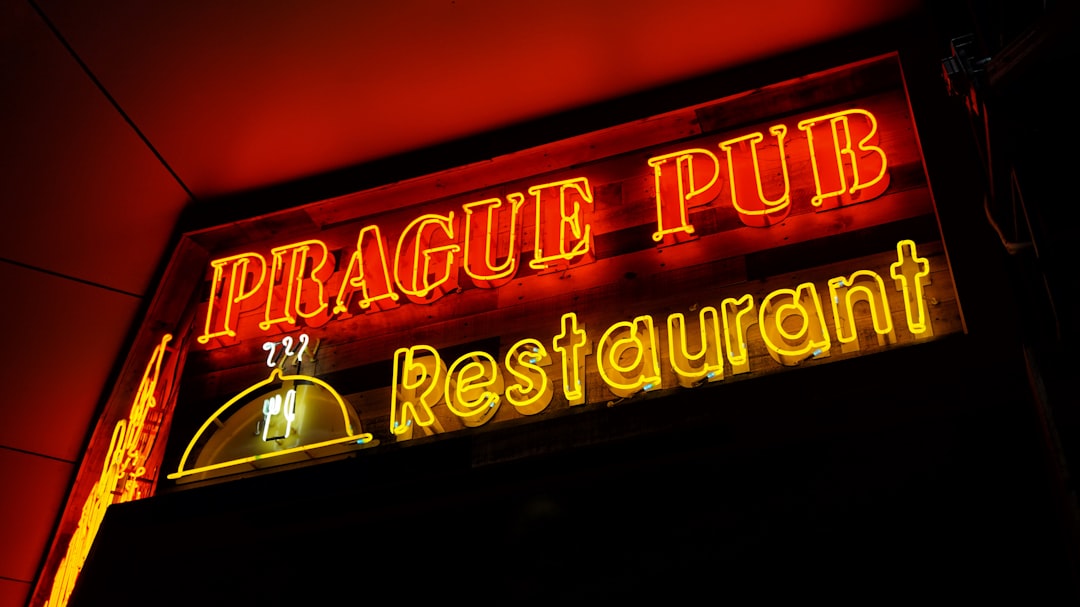
Photo by Nguyen Huong on Unsplash
Eating on the Camino de Santiago: Pilgrim Food Guide
Embarking on the Camino de Santiago is as much about the journey as it is about the experiences – and food is a significant part of that experience. As you walk through diverse landscapes, you’ll also discover a rich tapestry of culinary delights waiting for you. Whether you’re a seasoned pilgrim or a first-timer, understanding the food options available on the Camino can enhance your journey significantly.
Pilgrim Menu: The Menu del Peregrino
One of the best ways to enjoy authentic Spanish cuisine on the Camino is through the “menu del peregrino.” Typically ranging from €10 to €14, this pilgrim menu is designed for those on the go and offers a hearty meal that typically includes a starter, a main dish, dessert, and a drink. You’ll find these menus at many albergues (hostels) and local restaurants along the route.
Expect to encounter traditional dishes like hearty stews, fresh salads, and local meats. Some of my personal favorites include pimientos de padrón (small green peppers) or a warm bowl of caldo gallego, a Galician soup made with greens, potatoes, and sometimes chorizo. This menu is a budget-friendly way to experience the local cuisine while refueling for your next day of walking.
Regional Specialties: A Culinary Journey
As you traverse the Camino, each region you pass through offers its own culinary specialties. In the Basque Country, for example, don’t miss out on pintxos – small bites usually enjoyed with a drink. These can range from simple skewers of seafood to elaborate tapas, and they’re perfect for sharing with fellow pilgrims as you swap stories from the trail.
As you make your way into La Rioja, the region is famous not only for its stunning vineyards but also for its delicious wines. Pair a glass of local red with a dish of grilled lamb or roasted vegetables.
Then there’s Galicia, where the octopus (pulpo) reigns supreme. The dish “pulpo a la gallega” is a must-try, featuring tender octopus seasoned with paprika and served on a bed of potatoes. You’ll also find empanadas, savory pastries filled with various ingredients, perfect for a quick snack on the go.
👉 Camino de Santiago Cost: Complete Budget Guide
Where to Eat Cheaply: Supermarkets vs. Restaurants
While restaurants and albergue kitchens offer great options, you may find that supermarkets can be your best friend on the Camino, especially if you’re looking to save a few euros. Many towns along the route have supermarkets where you can buy fresh bread, local cheeses, cold cuts, fruits, and snacks. A picnic lunch can be a delightful way to take in the scenery while keeping your costs low.
Don’t forget to stock up on essentials like water. You’ll find plenty of fountains and refill points along the Camino, so bring a reusable water bottle to stay hydrated.
Dietary Needs: Options for Everyone
If you have dietary restrictions, don’t worry. Many restaurants and albergues are increasingly aware of various dietary needs. Vegetarian options are usually available, with dishes centered around vegetables, legumes, and grains. For those with celiac disease or gluten sensitivity, it’s wise to communicate your needs clearly, as gluten-free options may vary. Learning a few key phrases in Spanish can help you navigate the menu and ensure you get what you need.
A Typical Day of Eating on the Camino
A typical day of eating on the Camino might start with a hearty breakfast at your albergue. This could be a simple affair with toast, jam, and coffee or something more filling like a Spanish omelet.
👉 Camino de Santiago for Beginners: Everything You Need to Know
As you hit the trail, pack some snacks like nuts, energy bars, or fruit to keep your energy levels up. Lunch might be a picnic from a supermarket, featuring fresh bread, cheese, and some cured meats.
After a long day of walking, you’ll likely find yourself ready to indulge in a warm dinner. Enjoy the pilgrim menu at a local restaurant, savoring each dish as you reflect on the day’s journey. This is also a great time to connect with fellow pilgrims over shared meals, exchanging stories and laughter.
In Conclusion
The food on the Camino de Santiago is more than just sustenance; it’s an integral part of the pilgrimage experience. From the delicious menu del peregrino to regional specialties, each meal offers a taste of the culture and community along the way. Embrace the culinary adventure, and don’t hesitate to ask locals for their recommendations.
If you’re looking to make the most of your Camino journey, consider reaching out to SenderoX. Their personal assistant, Santiago, can create personalized itineraries to help you plan your route, accommodations, and meals, ensuring that your pilgrimage is both enriching and memorable. Happy walking and buen camino!
Your personalized itinerary in minutes
Chat with Santiago, our personal assistant, and get a tailored itinerary with handpicked hotels, direct contacts, and everything you need for your dates.