Camino de Santiago Safety: Practical Tips
March 09, 2026 · 4 min read
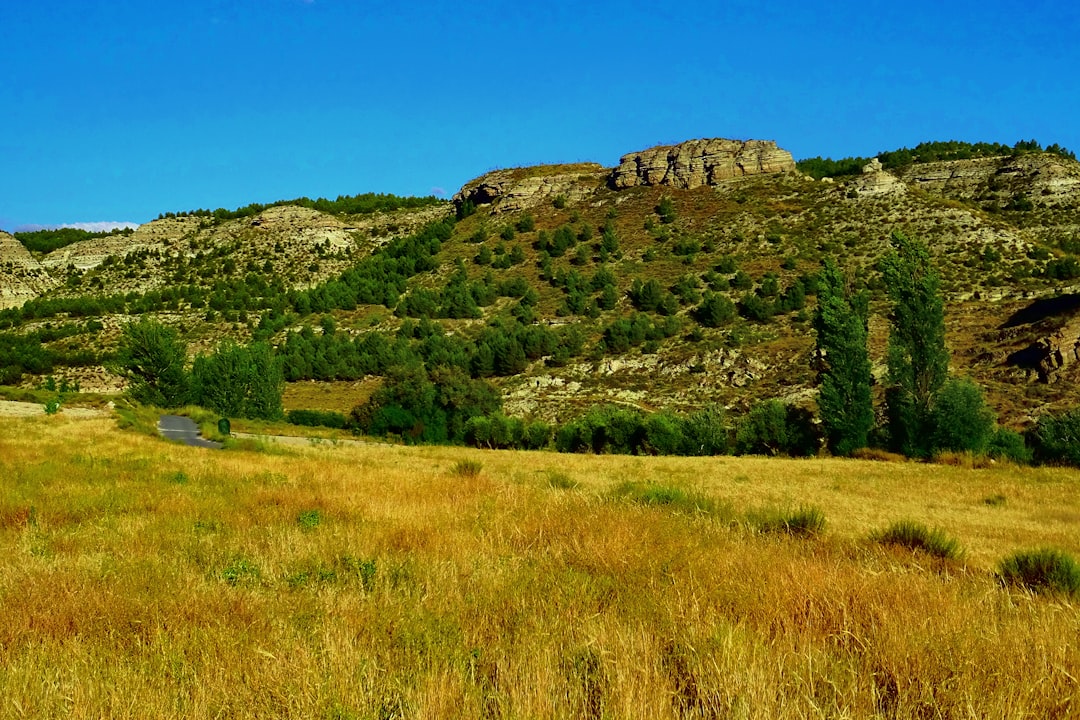
Photo by ROBERTO GOMIS GARCIA on Unsplash
Camino de Santiago Safety: Practical Tips
Embarking on the Camino de Santiago is an adventure many dream of, and one that draws thousands of pilgrims each year. While the journey is filled with breathtaking landscapes, rich history, and spiritual reflection, it’s also important to keep safety in mind. The good news is that Camino de Santiago safety is generally high, but being prepared can make your experience even better. Here are some practical tips to ensure you have a safe and enjoyable pilgrimage.
Understanding Camino de Santiago Safety
First and foremost, it’s essential to know that the Camino is regarded as a safe path for walkers. The communities along the route are welcoming, and locals are typically more than willing to assist you if you need help. However, as with any travel situation, it’s wise to remain vigilant and take some precautions.
Common Issues to Watch Out For
While serious safety concerns are rare, there are common issues that can arise during your journey. Blisters, for instance, are a frequent complaint among pilgrims. To prevent them, invest in a good pair of hiking shoes and break them in before your trip. Always wear moisture-wicking socks and consider carrying blister treatment options in your first-aid kit.
Dehydration is another concern, especially during the warmer months. Be sure to drink plenty of water throughout the day. Many pilgrims aim for at least two liters, but adjust based on your activity level and the weather. When in doubt, fill up at fountains along the way or buy bottled water in local shops.
Sunburn can catch you off guard, especially if you’re walking for hours under the sun. Apply a high-SPF sunscreen regularly, and consider wearing a wide-brimmed hat and sunglasses for extra protection.
Petty theft can occur, particularly in cities or crowded areas. Keep your belongings close and consider using a money belt or a secure backpack. While the Camino is generally safe, it’s always better to be cautious.
👉 How to Train for the Camino de Santiago
Travel Insurance Recommendations
Before you set out, consider purchasing travel insurance. This is especially important if you’re traveling from abroad. Look for a policy that covers medical expenses, trip cancellations, and theft of personal belongings. Having that extra layer of protection can ease your mind while you focus on your pilgrimage.
Emergency Numbers and Health Services
It’s wise to familiarize yourself with emergency numbers in Spain. For general emergencies, dial 112. This number is accessible throughout the country and can connect you to police, medical services, and fire departments. Make sure you have the contact information for local hospitals or clinics along your route, just in case you need medical attention.
Pharmacies are widely available along the Camino, often marked with a green cross. They carry a variety of health supplies, from basic first-aid items to over-the-counter medications. Don’t hesitate to pop in if you need something – the staff are usually friendly and can help with common ailments.
Walking Alone vs. Group
Many pilgrims choose to walk the Camino solo, and while this can be a rewarding experience, it’s essential to stay aware of your surroundings. If you do opt to walk alone, consider sharing your itinerary with someone back home and check in regularly. Walking in a group can provide an added layer of security, as there’s safety in numbers. Plus, you’ll have companions to share the journey’s ups and downs.
👉 Best Apps for the Camino de Santiago 2026
Night Walking: A Big No-No
As tempting as it might be to set out early or to catch the sunset, walking at night is not advisable. The paths can be uneven, and visibility is often poor. It’s best to stick to daylight hours for your walks. If you find yourself needing to travel at night, consider arranging accommodation close to your starting point, so you can rest and resume your journey in the morning light.
Dogs and Traffic
As you walk through rural areas, you may encounter dogs. While many are friendly, some can be protective of their territory. It’s best to approach with caution and avoid provoking them. In urban areas, be mindful of traffic, especially when navigating road sections. Always look both ways and stay aware of your surroundings.
Final Thoughts on Camino de Santiago Safety
Taking these practical steps can significantly enhance your safety while walking the Camino de Santiago. Remember that this journey is as much about the experience as it is about the destination. With a little preparation and awareness, you can focus on what truly matters: your reflection and the connections you make along the way.
If you’re ready to start planning your Camino adventure, consider reaching out to SenderoX. They offer personalized itineraries through Santiago, a dedicated assistant who can help you create a tailored experience that suits your needs. Safe travels, and buen camino!
Your personalized itinerary in minutes
Chat with Santiago, our personal assistant, and get a tailored itinerary with handpicked hotels, direct contacts, and everything you need for your dates.