Getting to the Camino de Santiago: Transport & Logistics
March 14, 2026 · 4 min read
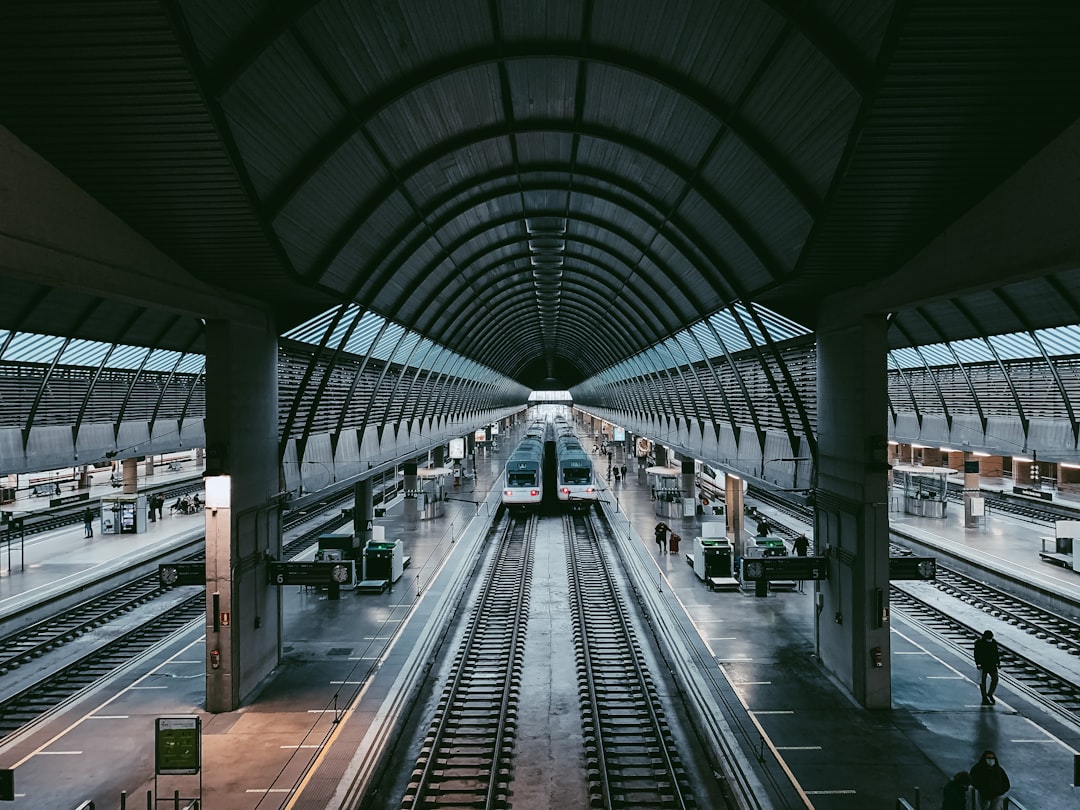
Getting to the Camino de Santiago: Transport & Logistics
So, you’ve decided to embark on the incredible journey of the Camino de Santiago. One of the first steps in planning your pilgrimage is figuring out how to get there. Whether you’re starting in Saint-Jean-Pied-de-Port (SJPP), Sarria, or even Porto, there are various transport options to make your journey as smooth as possible. In this guide, we will explore flights, trains, buses, bag transport services, and a few tips for pre- and post-Camino logistics.
Flights to Starting Cities
When it comes to getting to the Camino de Santiago, the first thing you’ll want to consider is how to fly into your chosen starting point. If you’re beginning in SJPP, the closest major airport is Biarritz Airport in France, which is about an hour away. From Biarritz, you can take a shuttle or a bus to Bayonne, then catch a train to Saint-Jean-Pied-de-Port.
If you’re starting in Sarria, you’ll want to fly into Santiago de Compostela Airport. This airport is well-connected with flights from various cities across Europe. Once you land, you can easily catch a bus or train to Sarria, which is about a two-and-a-half-hour journey.
For those starting their journey in Porto, Portugal, Porto Airport is your best bet. From there, you can take a train or a bus to Santiago de Compostela, and then connect to Sarria or any other starting point along the Camino. Additionally, there are direct buses from Porto to Santiago, which can be a convenient choice if you prefer not to switch between transport modes.
Trains and Buses
Spain’s train system, RENFE, is quite efficient and offers a great way to navigate your way to the Camino. If you’re in Spain, consider taking a train to the city closest to your starting point. For instance, if you’re heading to Sarria, you can take a train from Santiago to Monforte de Lemos and then another train or bus to Sarria.
For SJPP, as mentioned earlier, trains from Bayonne can get you there. There are also buses that run from major cities to SJPP, which can be a budget-friendly option. The ALSA bus service operates routes from several cities in Spain and France to various Camino starting points.
👉 Camino de Santiago for Beginners: Everything You Need to Know
If you’re starting in Porto, there are direct buses to Santiago de Compostela, and from there, you can catch local transport to Sarria. It’s always a good idea to check the schedules in advance, especially if you’re traveling during peak season, as buses and trains can fill up quickly.
Bag Transport Services
One of the most convenient aspects of the Camino is the bag transport services available, which can make your pilgrimage much more comfortable. Companies like Jacotrans and Correos offer reliable bag transport services that allow you to hike without the burden of a heavy backpack. You simply drop off your luggage in the morning, and it will be waiting for you at your next accommodation by the afternoon.
This service is particularly useful for those who may not be accustomed to carrying heavy packs, or if you’re planning to walk multiple stages in one go. It’s a small fee for a significant amount of convenience, allowing you to focus on the beautiful landscapes and experiences along the way rather than the weight of your belongings.
Pre/Post Camino Logistics
Planning for your Camino doesn’t stop at just getting there. It’s crucial to consider your logistics for both before and after your pilgrimage. If you have time, consider spending a few days in Santiago de Compostela after completing your journey. The city is rich in history and culture, and it’s the perfect place to relax and reflect on your experiences.
👉 Camino de Santiago Cost: Complete Budget Guide
For pre-Camino logistics, ensure you have booked your accommodation in advance, especially during the busy months of May to September. Many pilgrims opt to reserve their first few nights, particularly in SJPP and Sarria, as these are popular starting points.
If you’re flying back home from Santiago de Compostela, you’ll find the airport is just a short bus ride from the city center. There are regular buses that run to the airport, making your return journey straightforward. Alternatively, if you’re looking to explore more of Spain or Portugal after your Camino, consider taking a train or bus to nearby cities.
In summary, getting to the Camino de Santiago involves a bit of planning, but with a variety of transport options available, it can be a straightforward process. Whether you’re flying into Biarritz, Santiago, or Porto, or using Spain’s efficient train and bus networks, you’ll find that reaching your starting point is part of the adventure.
If you’re feeling overwhelmed with planning your Camino, don’t hesitate to reach out to SenderoX. They offer a personal assistant named Santiago, who can create personalized itineraries tailored to your needs and preferences. With their help, you can focus on the journey ahead, knowing that your logistics are in good hands. Happy trails!
Your personalized itinerary in minutes
Chat with Santiago, our personal assistant, and get a tailored itinerary with handpicked hotels, direct contacts, and everything you need for your dates.