Walking the Camino de Santiago in Winter
March 17, 2026 · 4 min read
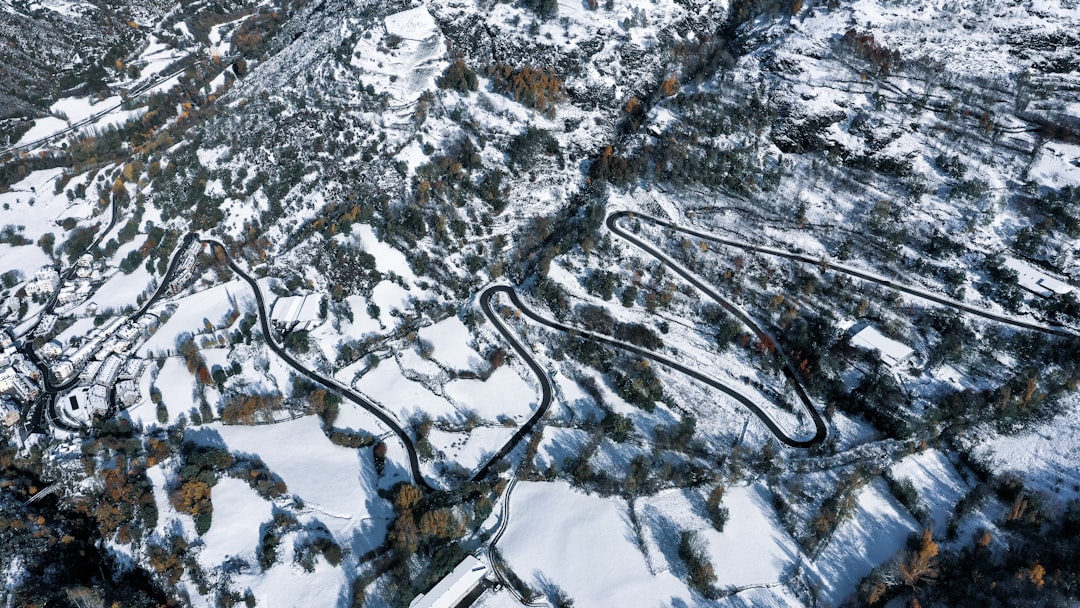
Photo by Carles Rabada on Unsplash
Walking the Camino de Santiago in Winter
Embarking on the Camino de Santiago during winter can be an incredibly unique and rewarding experience. While many pilgrims prefer the warmth of spring and summer, the winter months offer a chance to walk the Camino with a sense of solitude and tranquility that’s hard to find at other times of the year. If you’re considering this adventure, let’s dive into the pros and cons of walking the Camino de Santiago in winter, the routes that are suitable for this season, and the essential gear you’ll need to make your journey comfortable.
The Pros of Winter Walking
One of the biggest advantages of walking the Camino de Santiago in winter is the solitude. The usual bustling crowds of pilgrims are significantly reduced, allowing you to connect more deeply with the landscape and the experience. You’ll find peace in the quietude of the trails, giving you time for reflection and contemplation. The serene atmosphere can be incredibly spiritual, making your journey feel even more profound.
Additionally, traveling in winter can be easier on your wallet. Accommodation prices tend to drop during the off-peak season, and you can often find better deals on meals and services. This can make the Camino more accessible for those who are budget-conscious. Plus, with fewer pilgrims on the trails, you’ll have more flexibility when it comes to booking accommodation and planning your daily walks.
The Cons of Winter Walking
However, it’s not all sunshine and rainbows. The winter months bring their own set of challenges. Cold temperatures can be a significant hurdle. Depending on the region and the specific weather patterns, you may face freezing conditions, rain, or even snow. It’s essential to prepare for a variety of weather situations, as winter can be unpredictable.
Shorter daylight hours can also impact your walking schedule. With the sun setting earlier, you’ll need to plan your daily distances carefully to ensure you have plenty of time to reach your destination before dark. Additionally, some albergues or hostels may close for the winter season, limiting your options for overnight stays. It’s crucial to research and plan your route ahead of time to avoid any surprises.
👉 Best Time to Walk the Camino de Santiago
Which Routes Work in Winter
When it comes to choosing a route for your winter pilgrimage, some paths are more suitable than others. The Camino Francés, for instance, is one of the most popular routes, but it can be quite challenging in winter due to the elevation changes and the potential for snow in the mountain sections. On the other hand, the Camino Portugués, especially the coastal variant, can be more temperate and manageable during the winter months.
The Camino del Norte, while stunning, can also be quite rainy and cold in winter, so it may not be the best choice for those seeking a more sheltered experience. If you’re looking for a quieter and relatively milder option, consider the Camino Inglés or the Via de la Plata, which can provide a unique perspective on the pilgrimage with fewer crowds.
Essential Winter Gear
To ensure that you’re prepared for the winter conditions, packing the right gear is essential. Start with high-quality, waterproof footwear to keep your feet dry and warm. Layering is key in winter, so pack moisture-wicking base layers, insulating mid-layers, and a waterproof and windproof outer layer. Don’t forget to include warm gloves, a hat, and a scarf to protect against the cold winds.
A good-quality sleeping bag rated for lower temperatures will also be a valuable asset, especially if you find yourself in an albergue with less heating than you’re used to. A lightweight, packable poncho can come in handy for unexpected rain showers, and always carry a reusable water bottle to stay hydrated, even in colder weather.
👉 Camino de Santiago for Beginners: Everything You Need to Know
Planning Differences
Planning your Camino de Santiago in winter requires a bit more diligence compared to other seasons. It’s vital to have a flexible itinerary that allows for changes based on weather conditions and personal stamina. Make sure to check the opening times of albergues and other accommodations ahead of time, and consider booking your stays in advance where possible.
Be prepared for some days to be shorter and maybe a bit more challenging. It’s a good idea to have backup plans or alternative routes in mind, just in case the weather makes certain paths impassable. Keeping an eye on local weather forecasts will also help you stay informed and make necessary adjustments to your plans.
A Unique and Rewarding Experience
Walking the Camino de Santiago in winter may not be for everyone, but for those who embrace the challenge, it can be one of the most enriching experiences of a lifetime. The beauty of the landscapes under a blanket of frost, the quietude of the trails, and the sense of accomplishment that comes from facing the elements can create memories that will last forever.
As you plan your journey, remember that every step on the Camino is a step towards self-discovery. If you need assistance in crafting your unique winter itinerary, look no further than SenderoX. With Santiago, their personal assistant, you can create a personalized plan that suits your preferences and needs, ensuring your Camino experience is everything you hope for and more. Whether it’s choosing the right route, booking accommodations, or understanding what to pack, SenderoX is here to help you every step of the way. Happy Camino!
Your personalized itinerary in minutes
Chat with Santiago, our personal assistant, and get a tailored itinerary with handpicked hotels, direct contacts, and everything you need for your dates.