Camino de Santiago for Beginners: Everything You Need to Know
February 27, 2026 · 5 min read
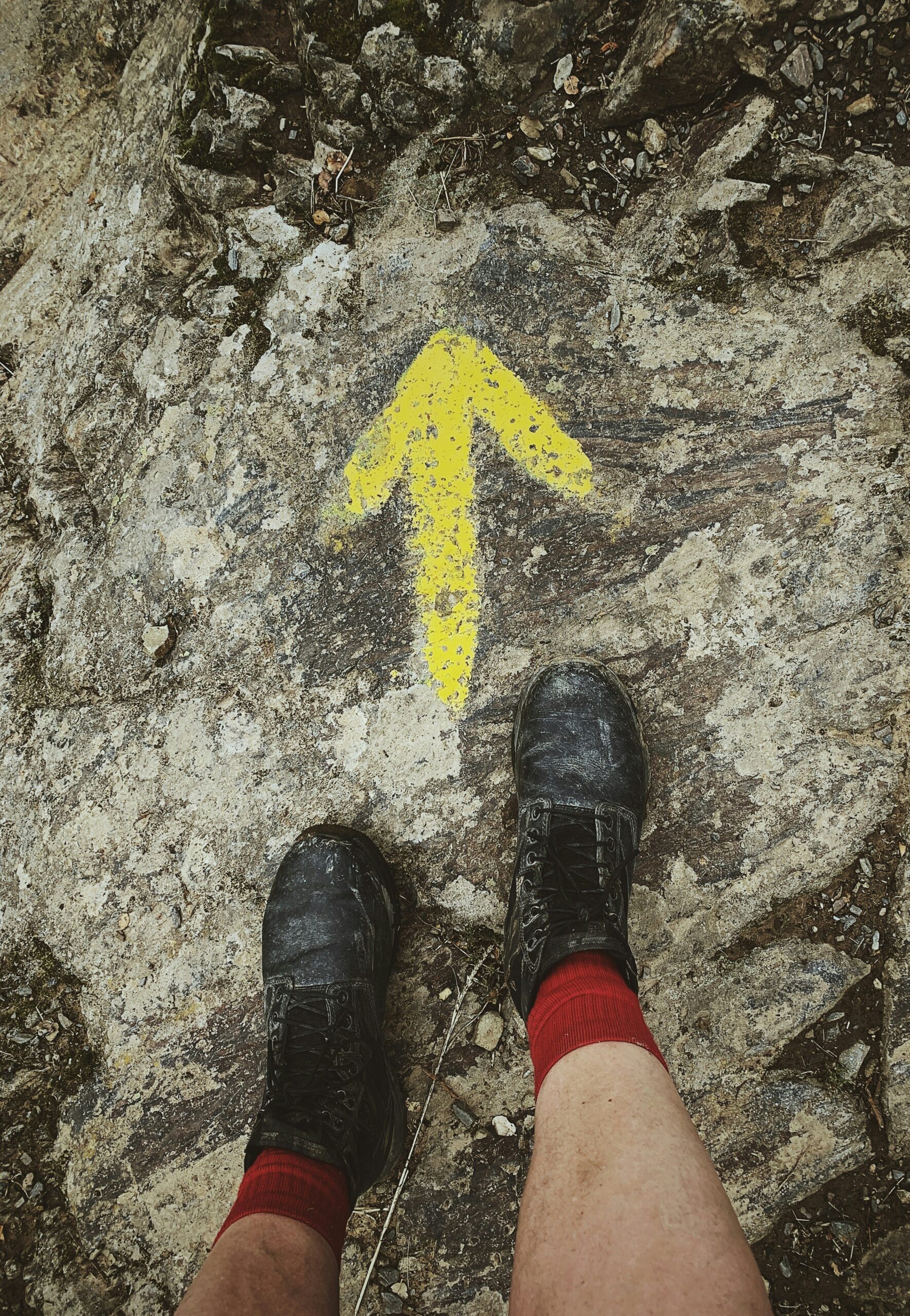
Photo by Jon Tyson on Unsplash
Camino de Santiago for Beginners: Everything You Need to Know
If you’ve been thinking about walking the Camino de Santiago but don’t know where to start, you’re not alone. Many pilgrims begin their journey feeling a mix of excitement and uncertainty. After all, the Camino is not just a hike; it’s a transformative experience that beckons people from all walks of life. In this guide, I’ll share everything you need to know as a beginner, from the routes to the culture, so you can embark on your journey with confidence.
What is the Camino de Santiago?
The Camino de Santiago, or the Way of St. James, is an ancient pilgrimage leading to the shrine of the apostle St. James in Santiago de Compostela, Spain. It has been a spiritual journey for centuries, attracting not only devout pilgrims but also adventurers, seekers of solace, and nature lovers. The Camino offers a unique combination of stunning landscapes, rich history, and the opportunity to connect with fellow walkers. More than just a destination, it’s about the journey itself and what you discover along the way.
Main Routes: The Frances for First-Timers
While there are several routes to choose from, the Camino Francés is the most popular, especially for beginners. Stretching about 780 kilometers from Saint-Jean-Pied-de-Port in France to Santiago de Compostela, this route is well-marked and equipped with numerous resources for travelers. The Francés offers a blend of beautiful scenery, charming villages, and a vibrant pilgrim culture, making it an ideal choice for newcomers.
Other routes like the Camino Portugués or the Via de la Plata are also worth considering, but they may not have the same level of infrastructure and community support that the Francés provides. If you’re unsure, starting with the Francés can help ease you into the experience as you meet fellow pilgrims and share stories along the way.
How to Train for Your Camino
Training for the Camino doesn’t have to be intimidating. Start by walking regularly, gradually increasing your distance each week. Aim for walks of 20-25 kilometers to mimic the daily stages you’ll encounter on the trail. Don’t forget to wear the gear you plan to use on the Camino, including your shoes and backpack, during your training walks. This will not only help you break in your footwear but also give you a chance to find out how much weight you can comfortably carry.
In addition to walking, consider incorporating strength training and flexibility exercises to prepare your body for long days on the trail. Stretching, yoga, or Pilates can help prevent injuries and improve your overall comfort during your journey.
Credential and Compostela Certificate
To officially document your pilgrimage, you’ll want to obtain a Pilgrim Credential, which you can get at various starting points along the Camino. This small booklet is stamped at albergues (hostels), churches, or other places along the route to prove that you’ve completed the stages. To earn your Compostela certificate upon arrival in Santiago, you’ll need to walk at least the last 100 kilometers of the Camino, or cycle at least 200 kilometers. The certificate is a beautiful memento of your journey and a testament to your dedication.
👉 Best Time to Walk the Camino de Santiago
Typical Daily Stages: What to Expect
Most pilgrims walk between 20 to 25 kilometers each day, which translates to about 6 to 8 hours of walking, depending on your pace. This daily distance allows you to experience the stunning landscapes and quaint villages without feeling rushed. Along the way, you’ll find plenty of opportunities to rest, enjoy local cuisine, and soak in the spirit of the Camino.
It’s important to listen to your body during your journey. Some days may feel easier than others, so don’t hesitate to adjust your daily distance according to how you’re feeling. Embrace the rhythm of the Camino and remember that it’s not just about reaching Santiago; it’s about enjoying each step along the way.
Albergues vs. Hotels: Finding Your Home on the Camino
When it comes to accommodation, you’ll have lots of choices. Albergues are the traditional hostels for pilgrims and offer a more communal experience. They usually provide basic amenities like bunk beds, showers, and sometimes communal kitchens. Staying in albergues fosters camaraderie among pilgrims, allowing you to share stories and experiences around the dinner table or during evening gatherings.
If you prefer a bit more comfort, hotels and guesthouses are available along the route as well. While they may come with a higher price tag, they often provide private rooms and additional amenities. Choose whatever suits your comfort level and budget, but keep in mind that part of the beauty of the Camino is the shared experience with fellow walkers.
Camino Culture: Embracing the Journey
As you walk the Camino, you’ll find that the culture is as rich as the landscapes. The Camino is not just a physical journey; it’s a spiritual one as well. Many pilgrims find that walking provides them with a sense of clarity and connection, whether to themselves, others, or a higher power. Take time to reflect, meditate, or journal along the way.
👉 Camino de Santiago Packing List: Complete Guide 2026
You’ll also encounter various traditions, from the iconic scallop shell symbolizing the Camino to the communal meals shared in albergues. Engaging with local customs, trying regional foods, and learning a bit of the history behind the path can add depth to your experience.
Common Fears Debunked
It’s natural to feel apprehensive about embarking on the Camino, especially if you’re not an experienced hiker. Many beginners worry about the physical challenge, the language barrier, or feeling lonely. However, I assure you that the Camino is welcoming to all. You don’t have to be in peak physical shape to start; the journey will help build your strength and endurance.
Language is rarely a barrier; while knowing some Spanish can be helpful, many locals and fellow pilgrims speak English and are eager to communicate. As for loneliness, the Camino is a melting pot of cultures, and you’ll likely meet new friends along the way, whether at albergues, cafes, or on the trail.
In conclusion, embarking on the Camino de Santiago is a rewarding experience that welcomes beginners with open arms. With a bit of preparation, an open heart, and a willingness to embrace the journey, you’ll find that the Camino is truly a path of discovery.
If you’re ready to start planning your Camino adventure, consider using Santiago, the AI assistant at SenderoX, to create personalized itineraries tailored to your preferences. With Santiago’s help, you can focus on the journey ahead while feeling confident in your plans. Here’s to your Camino!
Your personalized itinerary in minutes
Chat with Santiago, our AI assistant, and get a tailored itinerary with handpicked hotels, direct contacts, and everything you need for your dates.