Accessible Camino de Santiago: Guide for Pilgrims with Disabilities
April 25, 2026 · 4 min read
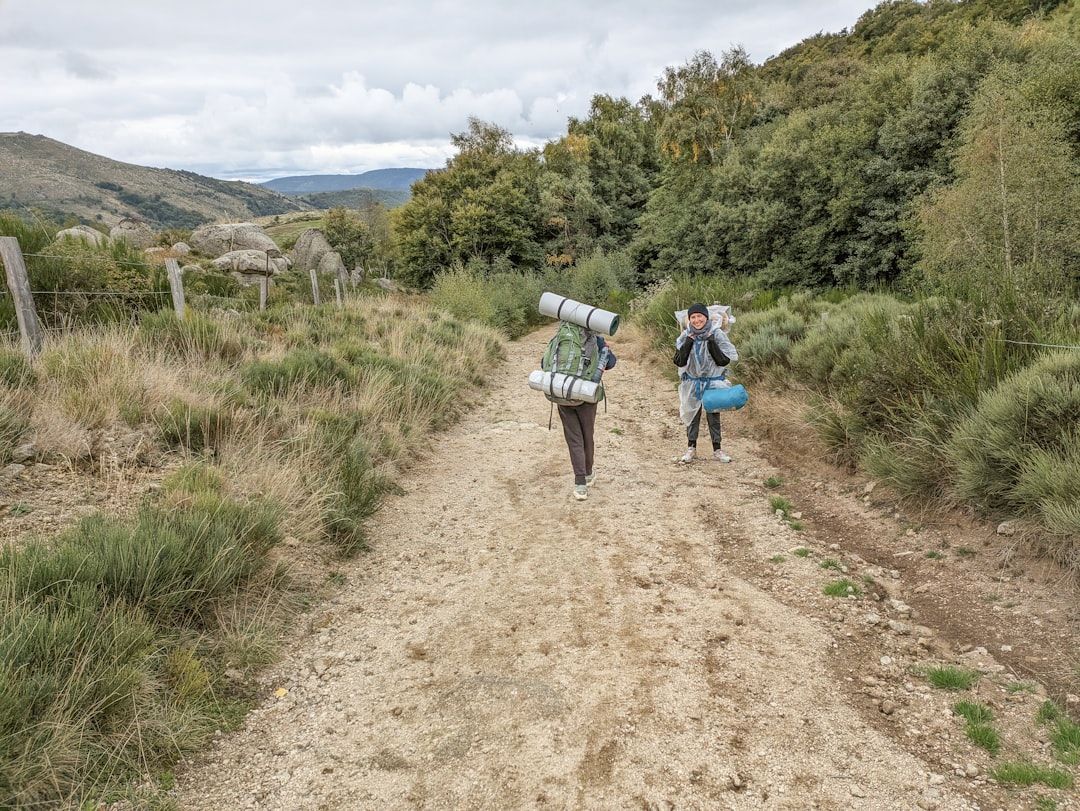
Photo by Snap Wander on Unsplash
Accessible Camino de Santiago: Guide for Pilgrims with Disabilities
The Camino de Santiago, a centuries-old pilgrimage that meanders through stunning landscapes and rich history, is a journey that calls to many. However, for those with disabilities or reduced mobility, it can seem like an insurmountable challenge. The good news is that the Camino is becoming increasingly accessible, and with a little planning, everyone can partake in this transformative experience. Let’s explore what options are available for making the Camino an accessible journey for all.
Understanding the Accessible Camino de Santiago
The first thing to know is that the Camino de Santiago is not a single route but rather a network of paths that lead to Santiago de Compostela. Some routes are more accessible than others, and organizations have made significant efforts to ensure that pilgrims with disabilities can enjoy the beauty and spirituality that the Camino offers. Accessibility can vary, but there are sections specifically designed to accommodate those using wheelchairs or with limited mobility.
Adapted Sections and Wheelchair-Accessible Paths
The French Way (Camino Francés), one of the most popular routes, has sections that are more accessible than others. The stretch from Sarria to Santiago is a well-trodden part of the Camino Francés and is generally more accommodating. Many local municipalities have made improvements by paving paths and removing obstacles to create a more wheelchair-friendly environment. Additionally, the route from León to Astorga has been noted as particularly accessible due to its flat terrain.
There are also sections along the Camino del Norte that have been adapted for wheelchair users. While the coastal route presents its challenges with steep climbs and descents, some areas have been enhanced to provide better access. It's always a good idea to check local resources or consult with organizations that specialize in accessible travel to find the best routes for your needs.
Support Organizations and Resources
A wealth of organizations and associations focus on making the Camino accessible to all. One notable example is the Spanish Federation of Associations of People with Physical Disabilities (COCEMFE), which provides valuable information and resources for travelers with mobility challenges. They can often assist in planning your journey, providing insights into adapted facilities and accommodations along the route.
👉 Walking the Camino de Santiago as a Solo Woman
Moreover, some organizations offer adapted vehicles that can help transport pilgrims between sections of the Camino that may be less accessible. These services can be a game changer, allowing you to experience the spiritual essence of the Camino without the worry of navigating particularly challenging terrain.
Handbike Options
For those who may not use a traditional wheelchair but still need assistance, handbikes offer an innovative solution. These specially designed bicycles can be an excellent alternative for individuals with upper body strength. Some companies rent out handbikes specifically for the Camino, allowing you to tackle the trail at your own pace while still enjoying the stunning landscapes.
Accompanying Services
If you're considering embarking on the Camino with a disability, it may be beneficial to have an accompanying service. Several organizations provide trained guides who can assist you along the way. These guides not only help navigate the terrain but can also share insights about the history and significance of various sites along the Camino, enriching your experience.
Inspirational Examples
Throughout history, the Camino has welcomed pilgrims from all walks of life, and there are many inspiring stories of individuals who have completed the journey despite challenges. From those who have used wheelchairs to those with visual impairments, the common thread is a spirit of determination and a commitment to the pilgrimage. Each story serves as a reminder that the Camino is not just about the physical journey but also about the connections we make along the way and the personal growth we experience.
👉 Camino de Santiago for Seniors: A Practical Guide
Planning Your Accessible Camino
If you're contemplating your own Camino adventure, it’s essential to plan ahead. Researching accessible routes, accommodations, and resources will make a world of difference. Consider reaching out to local pilgrim associations or accessibility organizations for advice and support. Some accommodations along the Camino are specifically designed to cater to the needs of travelers with disabilities, featuring accessible bathrooms and other amenities.
At SenderoX, we understand that planning your Camino can be overwhelming, especially when considering accessibility needs. That’s why we offer personalized itineraries through Santiago, a personal assistant who will help you create a tailored plan that meets your unique requirements. Whether you’re looking for accessible accommodations, transport options, or the best routes to take, we’re here to ensure your Camino experience is memorable and fulfilling.
In conclusion, the Camino de Santiago is truly for everyone, regardless of physical ability. With the right preparation, resources, and support, you can embark on this incredible journey, explore breathtaking landscapes, and connect with fellow pilgrims. The spirit of the Camino is one of inclusivity and acceptance, and it’s waiting for you to take that first step on your next adventure.
Your personalized itinerary in minutes
Choose your route, start and dates, and in a minute get your itinerary day by day: where to sleep, maps of each stage and a PDF. Free.
Start Planning