Astorga on the Camino de Santiago: Guide
June 24, 2026 · 4 min read
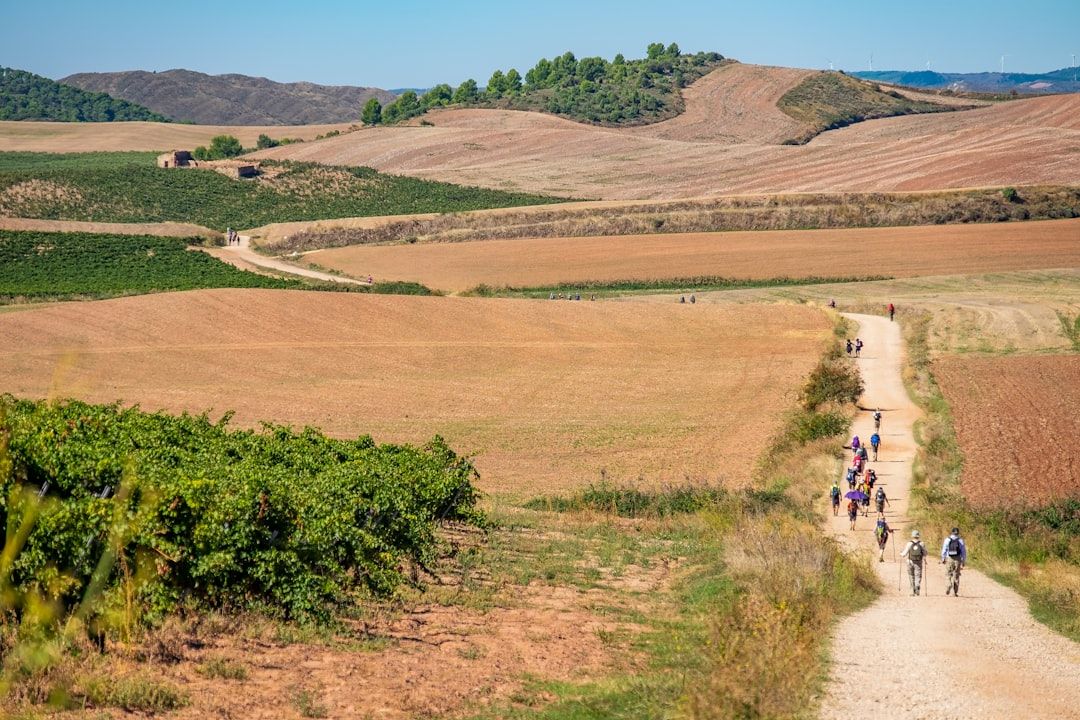
Photo by Burkard Meyendriesch on Unsplash
Astorga on the Camino de Santiago: Guide
Ah, Astorga! Nestled in the heart of León, this charming town is a delightful stop for any pilgrim on the Camino de Santiago. Rich in history, artistic flair, and culinary delights, Astorga offers a unique blend of experiences that can rejuvenate both body and spirit as you journey along this ancient path. Let’s explore what makes Astorga a must-visit destination on your pilgrimage.
Historical Highlights
Astorga is steeped in history, dating back to Roman times when it was known as Asturica Augusta. As you stroll through the town, you'll encounter remnants of its storied past, including the ruins of the Roman city walls, which provide a glimpse into its ancient grandeur. The town is also home to a beautiful cathedral, the Catedral de Astorga, which showcases a fascinating mix of architectural styles, from Gothic to Baroque. Don't forget to stop by the Museo de los Caminos, where you can learn more about the history of the Camino de Santiago and the many pilgrims who have traversed its paths.
One of the most striking landmarks in Astorga is the Gaudí Episcopal Palace, a stunning piece of architecture designed by the famous Catalan architect Antoni Gaudí in the late 19th century. This building is a whimsical blend of Gothic and modernist styles, and its turrets and intricate details make it a favorite for visitors. Take a moment to explore the interior, which houses a small museum showcasing the history of the church and the Camino.
What to See and Do
Aside from its historical sites, Astorga is also a great place to simply wander and soak in the atmosphere. The town's picturesque streets are lined with colorful buildings, quaint shops, and inviting plazas. The Plaza Mayor is a vibrant hub where you can relax and enjoy the local ambiance. It’s a perfect spot to savor a cup of Astorga’s famous hot chocolate, known for its rich, thick texture that pairs wonderfully with churros.
If you have a bit of time, consider taking a short hike to the nearby ruins of the Roman villa, which offers panoramic views of the surrounding countryside. The scenic landscapes are a reminder of the natural beauty that accompanies many pilgrims on their journey along the Camino.
Culinary Delights
Astorga is renowned for its local cuisine, particularly the maragato dishes that reflect the region's agricultural heritage. One of the most famous dishes you must try is the "cocido maragato," a hearty stew featuring chickpeas, meats, and vegetables, usually served in a unique order that allows you to enjoy the flavors progressively. Pair your meal with some local wine, and you’ll be in for a treat.
👉 Saint-Jean-Pied-de-Port on the Camino de Santiago: Guide
For those with a sweet tooth, Astorga is also famous for its chocolate. The town hosts several chocolatiers who produce artisanal chocolate, often using traditional methods. Be sure to stop by one of the local shops to sample some of their creations or take home a box as a treat for yourself or friends back home.
Accommodation Options
As a pilgrim, you’ll find a variety of accommodation options in Astorga to suit your needs. There are several albergues, or hostels, specifically designed for pilgrims, offering budget-friendly dormitory-style lodging. Albergue Municipal de Astorga is a popular choice, providing a welcoming atmosphere and essential amenities.
If you prefer a bit more comfort, you can also find hotels in the area that offer private rooms and additional services. The Hotel Astur Plaza is a well-regarded option with a central location, making it easy to explore the town.
Practical Tips for Pilgrims
When visiting Astorga, it’s a good idea to plan your stay accordingly. The town is quite walkable, so comfortable shoes are a must. Don’t forget to carry enough water and snacks, especially if you plan to hike to nearby attractions.
👉 Roncesvalles on the Camino de Santiago: Guide
Also, be mindful of the pilgrimage season. The summer months can be busy with fellow travelers, so if you prefer a quieter experience, consider visiting in the spring or fall. Always check the opening hours of attractions and restaurants, as they can vary, especially during the off-peak season.
Getting There and Continuing Your Journey
Astorga is easily accessible by train or bus from larger cities like León or Santiago de Compostela. If you’re walking the Camino, you’ll find that Astorga is a significant waypoint, located about 25 kilometers from León and around 200 kilometers from Santiago. It’s a great place to rest and recharge before continuing your journey.
As you leave Astorga, the Camino will take you through stunning landscapes, including rolling hills and charming villages, leading you toward your next destination, Rabanal del Camino. Each step is a part of your pilgrimage, and Astorga is the perfect place to gather your thoughts and intentions for the road ahead.
If you’re planning your Camino and want to make the most of your experience, consider reaching out to SenderoX. They offer a personal assistant named Santiago who can help create personalized itineraries tailored to your needs and preferences. With their assistance, you can focus on the spiritual and physical journey ahead, knowing that every detail has been taken care of. Happy walking!
Your personalized itinerary in minutes
Choose your route, start and dates, and in a minute get your itinerary day by day: where to sleep, maps of each stage and a PDF. Free.
Start Planning