Camino de Madrid: From the Capital to Santiago
May 01, 2026 · 4 min read
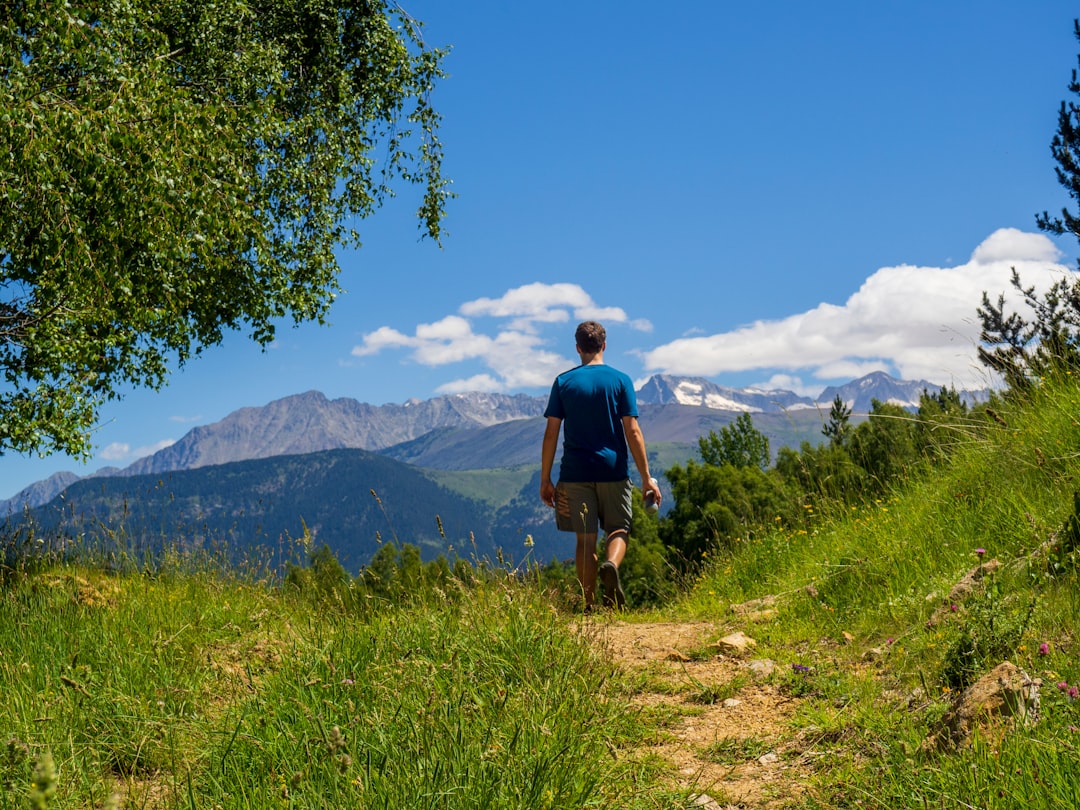
Photo by Sergi Kabrera on Unsplash
Camino de Madrid: From the Capital to Santiago
If you’ve ever dreamed of walking the Camino de Santiago, the Camino de Madrid is a splendid option, especially if you’re starting from the vibrant heart of Spain. This less-trodden path spans approximately 320 kilometers, taking you from the bustling streets of Madrid to the charming town of Sahagún, where you can join the more famous Camino Francés. It’s a unique journey that offers a blend of city life, serene landscapes, and the rich history that Spain has to offer.
Walking Out of a Major City
Starting your pilgrimage in Madrid is both exhilarating and challenging. As you set off, you’ll find yourself transitioning from the urban hustle and bustle into the tranquility of the surrounding countryside. The initial stages can be a bit hectic, with busy streets and city sounds, but as you walk further from the capital, the noise fades and is replaced by the gentle sounds of nature. This transition is a beautiful metaphor for the journey itself—leaving behind the ordinary and stepping into a more profound experience.
The Camino de Madrid offers a chance to reflect as you leave the city’s confines. The first stage takes you through the outskirts of Madrid, and you may find it helpful to plan your departure for early morning when the streets are quieter. This way, you can ease into your pilgrimage with a sense of calm before diving into the beautiful landscapes ahead.
Castilla’s Meseta Landscape
As you continue your journey, you’ll soon find yourself in the expansive meseta of Castilla y León. This region is characterized by its vast, open fields, rolling hills, and golden wheat that sways gently in the breeze. The meseta can feel quite remote at times, and the horizon stretches endlessly before you, offering a chance to contemplate the simplicity and beauty of life.
While the meseta may appear barren at first glance, it’s rich with history and culture. You’ll pass small villages that are steeped in tradition, each with unique stories and warm welcomes. The locals are often eager to share their knowledge of the area and its customs, making for delightful encounters along the way.
👉 Camino de Invierno: The Winter Route via Ribeira Sacra
Less Infrastructure but Growing
One thing to note about the Camino de Madrid is that it has less infrastructure compared to the more traveled routes like the Camino Francés. However, this is changing rapidly as the popularity of the Camino continues to grow. You’ll find albergues, or pilgrim hostels, along the route, but it’s wise to check availability in advance, especially during peak seasons.
Since the infrastructure is developing, you may come across stretches where services are limited. Carrying enough water and snacks is essential, as well as a good map or guidebook. While this can seem daunting, it also means fewer crowds and a more intimate experience with the landscape and the pilgrimage itself.
Ideal for Madrid Residents
For residents of Madrid or those nearby, the Camino de Madrid presents an ideal opportunity to embark on a pilgrimage without needing to travel far. It’s an easily accessible route, making it perfect for weekend warriors or those looking to take a few days off for a longer trek. The stages can be tailored to your personal pace and schedule, allowing flexibility in how you approach the journey.
Each stage of the Camino de Madrid offers its own unique charm, from the historical landmarks in towns like Alcalá de Henares to the serene beauty of the countryside. As you walk, take the time to appreciate the small details around you—the wildflowers, the changing colors of the sky, and the rhythm of your footsteps on the earth.
👉 Camino del Norte: Guide to the Coastal Route
Stages and Logistics
When planning your Camino de Madrid, it’s helpful to break it down into manageable stages. The route generally consists of around eight stages, averaging about 30 to 40 kilometers per day. Here’s a brief overview of the stages you might consider:
1. Madrid to Alcalá de Henares (about 35 km)
2. Alcalá de Henares to Torija (about 30 km)
3. Torija to Hontariglesias (about 20 km)
4. Hontariglesias to Cuenca (about 38 km)
5. Cuenca to Tordesillas (about 40 km)
6. Tordesillas to Sahagún (about 40 km)
Remember to adjust the stages according to your fitness level and comfort. It’s also crucial to plan your accommodations in advance, especially in smaller towns where options may be limited.
In Conclusion
The Camino de Madrid offers a unique opportunity to embark on a pilgrimage that begins in the heart of Spain, weaving through both urban and rural landscapes. It’s a journey that invites reflection, connection, and personal growth. Whether you’re a seasoned pilgrim or a novice, this route provides a fulfilling experience steeped in culture and camaraderie.
At SenderoX, you can plan your Camino with Santiago, a personal assistant that creates personalized itineraries tailored to your needs. Whether you’re looking for specific stages, accommodations, or tips for your journey, Santiago is there to help you every step of the way. Embrace the adventure and let the Camino de Madrid guide you to Santiago.
Your personalized itinerary in minutes
Chat with Santiago, our personal assistant, and get a tailored itinerary with handpicked hotels, direct contacts, and everything you need for your dates.