Camino de Santiago by Bike: Complete Cycling Guide
March 13, 2026 · 4 min read
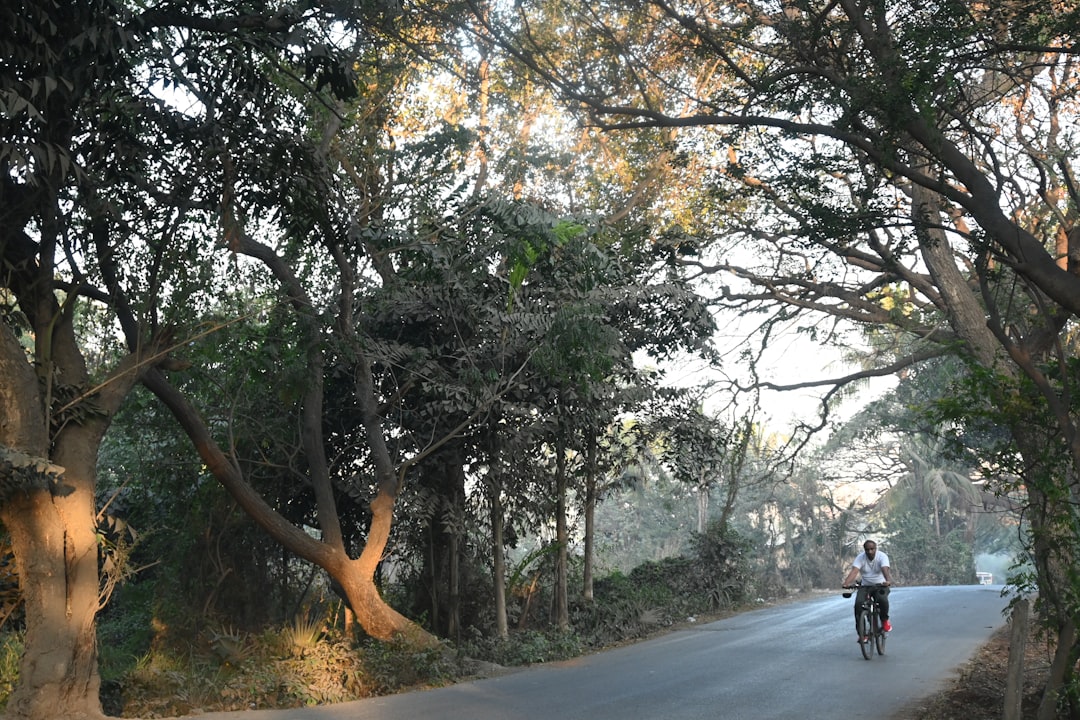
Photo by Kruti Mehta on Unsplash
Camino de Santiago by Bike: Complete Cycling Guide
The Camino de Santiago is not just a pilgrimage for walkers; it’s also a remarkable journey for cyclists. Riding this ancient route offers a unique blend of adventure, spirituality, and the thrill of exploration. If you’re considering tackling the Camino de Santiago by bike, this guide will provide you with all the essential information you need to make your journey unforgettable.
Understanding the Rules
Before you set off, it’s important to be aware of the rules regarding the Camino de Santiago bike pilgrimage. To receive your Compostela, the official certificate of completion, you must cover a minimum of 200 kilometers. This requirement applies whether you walk or cycle. Many cyclists choose to begin their journey in places like Sarria, which is approximately 115 kilometers from Santiago, and combine cycling with walking if they wish to experience both facets of the Camino.
Choosing the Right Route
When it comes to cycling the Camino, you have several routes to choose from. The most popular is the Camino Francés, which runs from the French border through beautiful landscapes and charming towns. The total distance is about 780 kilometers, but you can break it down into manageable sections. Another great option is the Camino del Norte, which hugs the stunning northern coastline of Spain and offers a more challenging ride due to its hilly terrain.
If you’re looking for a less traveled route, consider the Camino Primitivo, known for its breathtaking scenery and historical significance. This route requires a good level of fitness, but the rewards are remarkable. Regardless of the route you choose, familiarize yourself with the terrain and plan your daily distances accordingly.
Selecting the Right Bike
Choosing the right bike for your Camino adventure is crucial. Touring bikes are a popular choice for long-distance cycling due to their comfortable geometry and ability to carry loads. They generally come with a wider gear range suitable for varying terrain. On the other hand, mountain bikes (MTBs) can handle rougher paths and trails, but they may not be as comfortable over long distances.
If you opt for a touring bike, make sure it has a sturdy frame and mounts for racks and fenders. If you’re leaning towards an MTB, ensure it has a comfortable seat and is equipped with gears that can tackle both climbs and descents.
👉 Portuguese Camino: Complete Route Guide
Packing the Right Gear
When cycling the Camino de Santiago, packing the right gear can make all the difference. A good quality helmet is essential for safety, and padded shorts can help make your ride more comfortable. Invest in a durable bike lock, as you’ll want to secure your bike when stopping in towns or at accommodations.
Don’t forget to bring basic repair tools, including a tire pump, spare tubes, and a multi-tool. It’s also wise to have a first-aid kit, especially for longer rides. Clothing should be moisture-wicking and suitable for a variety of weather conditions, as the climate can change quickly along the route.
Planning Your Daily Distances
Most cyclists on the Camino de Santiago aim to cover between 60 to 100 kilometers a day. This range allows for a pleasant pace while still making significant progress towards Santiago. If you’re new to cycling long distances, it might be wise to start on the lower end and gradually build up your endurance.
Consider the terrain when planning your daily distances. Hilly sections will require more effort, while flat stretches can allow for a quicker pace. Factor in breaks for meals, sightseeing, and rest, as it’s important to enjoy the journey rather than just focus on the destination.
Sharing the Path with Walkers
One of the unique aspects of the Camino de Santiago is the community it fosters. Cyclists and walkers share the same paths, and it’s essential to be respectful and mindful of fellow pilgrims. Always yield to walkers, especially in narrow areas. Make your presence known when approaching from behind, and be cautious when overtaking. A friendly greeting can go a long way in maintaining the Camino’s welcoming spirit.
👉 Camino del Norte: Guide to the Coastal Route
Logistics: Bike Transport and Repair Shops
Logistics can be a bit tricky when cycling the Camino, but there are options available for bike transport. If you’re flying into Spain, many airlines allow you to check your bike as luggage, but it’s crucial to check their specific policies. Alternatively, you can rent a bike from local shops, which often cater specifically to pilgrims.
Throughout the Camino, you’ll find numerous bike repair shops in bigger towns. Familiarize yourself with the locations of these shops before you start, just in case you encounter any issues. Many accommodations along the Camino also offer bike storage, so you can rest easy knowing your bike is secure while you explore on foot.
Final Thoughts
Cycling the Camino de Santiago is a rewarding experience that combines physical challenge with spiritual reflection. As you pedal through stunning landscapes, meet fellow pilgrims, and discover the rich history of the route, you’ll create memories that last a lifetime. Whether you’re a seasoned cyclist or a newcomer to the sport, this journey will surely leave a profound mark on your heart.
If you’re looking for personalized help in planning your Camino adventure, be sure to check out SenderoX. With Santiago, their personal assistant, you can create tailored itineraries that suit your needs and preferences, making your journey even more special. Happy cycling, and buen camino!
Your personalized itinerary in minutes
Chat with Santiago, our personal assistant, and get a tailored itinerary with handpicked hotels, direct contacts, and everything you need for your dates.