Common Camino de Santiago Injuries and Prevention
March 15, 2026 · 4 min read
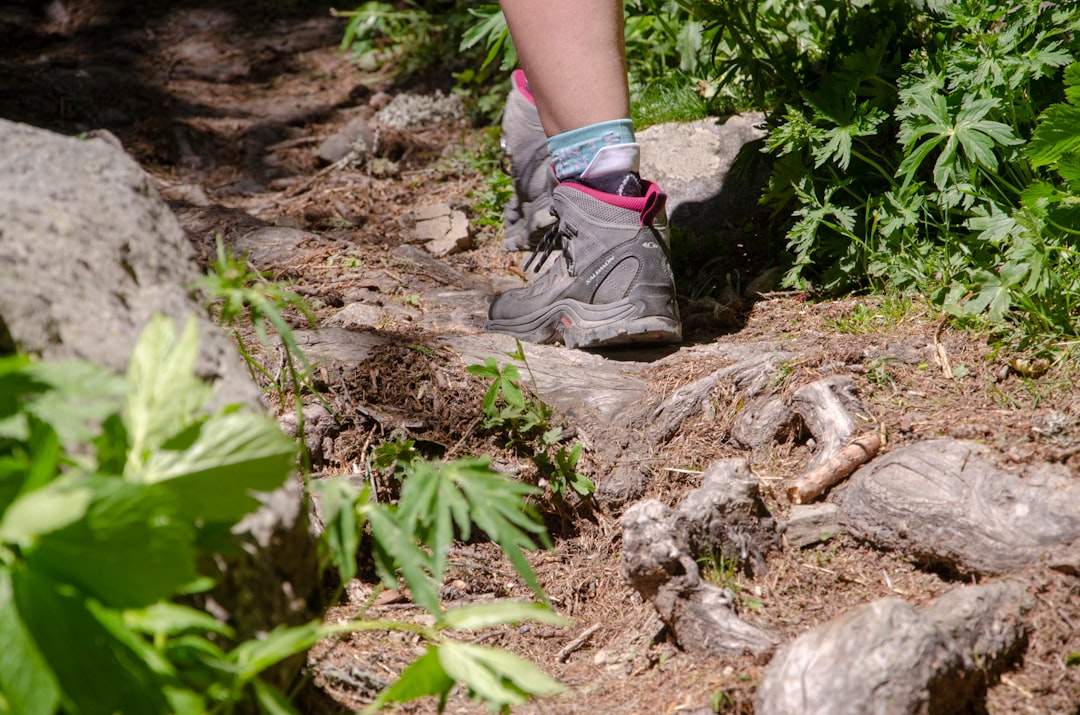
Photo by Corentin HENRY on Unsplash
Common Camino de Santiago Injuries and Prevention
Embarking on the Camino de Santiago is a transformative experience, but it can also come with its share of physical challenges. As you lace up your boots and prepare for this incredible journey, it’s essential to be aware of common Camino de Santiago injuries and how to prevent them. Having a few strategies in your back pocket can make all the difference between a joyful pilgrimage and a painful one.
Blisters: Prevention and Treatment
Blisters are perhaps the most notorious of Camino de Santiago injuries. The repetitive friction from your boots against your skin can cause painful bubbles to form. To prevent blisters, make sure you wear well-fitted shoes and moisture-wicking socks. Consider investing in a pair of good-quality walking shoes that are broken in but not worn out.
Furthermore, applying blister prevention tape or moleskin on high-friction areas can be a lifesaver. If you do develop a blister, it’s best to keep it clean and covered. Avoid popping it; instead, let it heal naturally. If it bursts, use antiseptic and cover it with a bandage to prevent infection.
Tendinitis and Knee Pain
Tendinitis often manifests as a nagging pain in the knees or along the sides of your legs, especially after long days of walking. This is usually a result of overuse, so listening to your body is crucial. To help prevent this, ensure you gradually increase your walking distances during your training. Stretching before and after each hike can also keep your muscles flexible and less prone to injury.
If you feel the onset of knee pain, try resting and applying ice to the affected area. Compression sleeves can help provide support, but don’t ignore the signs your body is giving you. Pushing through pain might lead to more severe injuries down the line.
Shin Splints
Shin splints are another common issue for pilgrims, particularly for those who may not have trained adequately before starting the Camino. They occur when the muscles, tendons, and bone tissue around your shin become inflamed. The best way to prevent shin splints is to gradually increase your walking pace and distance. Incorporating cross-training activities like cycling or swimming can also strengthen your leg muscles without the pounding of hiking.
👉 Camino de Santiago Safety: Practical Tips
If shin splints occur, rest is vital. Applying ice and elevating your legs can help reduce swelling. Make sure to stretch and strengthen your calves and shins to prevent future occurrences.
Sunburn and Dehydration
While the physical toll of hiking is significant, don’t overlook the dangers of sunburn and dehydration. The Camino passes through some stunning landscapes, but being exposed to the sun for extended periods can lead to painful sunburns. Make it a habit to apply sunscreen generously before you set off and reapply it throughout the day. A wide-brimmed hat and sunglasses can also provide necessary protection.
Dehydration can sneak up on you, especially if you’re walking long distances without adequate water. Aim to drink regularly, even if you don’t feel thirsty. Carrying a reusable water bottle or hydration pack can encourage you to sip frequently. If you find yourself feeling dizzy or excessively fatigued, take a break, find some shade, and hydrate.
First Aid Kit Essentials
Having a well-stocked first aid kit can be a game-changer on the Camino. Essential items should include adhesive bandages, blister treatment, antiseptic wipes, pain relievers, and any personal medications you may need. Don’t forget to pack some gauze and tape for larger wounds, as well as a small pair of scissors for cutting bandages to size.
Pharmacy Availability on the Trail
Along the Camino, you’ll find pharmacies in many towns, particularly in Spain. They can be a helpful resource if you need additional supplies or over-the-counter medications. However, it’s always wise to carry the basics with you, just in case you’re in a more remote area where access to a pharmacy may be limited.
👉 Best Apps for the Camino de Santiago 2026
When to Rest vs. Push Through
One of the most challenging decisions you’ll face on your Camino journey is deciding when to push through discomfort and when to rest. If you’re feeling mild fatigue, it may be okay to continue, but sharp or persistent pain is a clear signal to stop. Remember, the Camino is a long journey, and it’s better to take a day off than to risk a more severe injury that could sideline you for the remainder of your pilgrimage.
Stretching Routine
Incorporating a stretching routine into your daily regimen can significantly help in preventing injuries. Simple stretches for your calves, hamstrings, quadriceps, and hips can keep your muscles limber. Taking a few minutes each morning and evening to stretch can make a world of difference in how your body feels throughout your journey.
As you prepare for your Camino de Santiago adventure, understanding common injuries and how to prevent them will help ensure that your experience is enriching and enjoyable. With a little foresight and preparation, you can focus on the beauty of the trail and the camaraderie of fellow pilgrims rather than on discomfort.
If you’re looking to plan your Camino, consider using SenderoX. With Santiago, a personal assistant, you can create personalized itineraries that cater to your specific needs and preferences, ensuring that your journey is as smooth and fulfilling as possible. Happy walking!
Your personalized itinerary in minutes
Chat with Santiago, our personal assistant, and get a tailored itinerary with handpicked hotels, direct contacts, and everything you need for your dates.