Off-Season Camino de Santiago: Advantages and Tips
October 15, 2026 · 5 min read
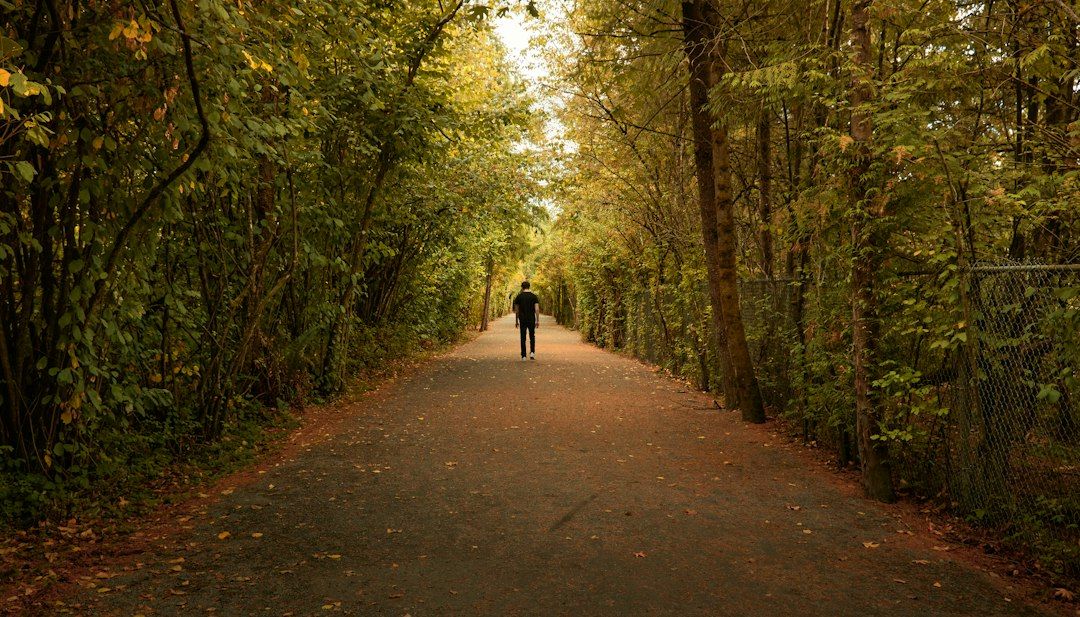
Photo by Cedar Wheeler on Unsplash
Off-Season Camino de Santiago: Advantages and Tips
If you've ever thought about walking the Camino de Santiago but hesitated because of the crowds, you might want to consider embarking on your journey during the off-season, between November and February. While this time of year presents its own set of challenges, the benefits of walking the Camino during these months can be truly rewarding. Let me share some insights that may help you decide if the off-season is right for you.
Advantages of Walking the Camino in the Off-Season
One of the most significant advantages of walking the Camino de Santiago off-season is the sheer solitude you will experience. The trails will be much quieter, allowing for moments of reflection and introspection that can be hard to find when surrounded by other pilgrims. The sound of your footsteps on the path, the rustle of leaves, and the distant call of birds become more pronounced when the hustle and bustle of the peak season is absent. This peaceful environment can lead to a deeper connection with your surroundings and with yourself.
Authenticity is another compelling reason to walk the Camino off-season. When you encounter local residents and fellow pilgrims during this quieter time, the interactions can feel more genuine. You can engage in meaningful conversations without the distractions of a crowded setting. The towns and villages along the Camino are also less touristy, allowing you to experience the true culture and hospitality of the region without the typical tourist trappings.
Cost is an obvious factor when considering the off-season. Many accommodations and services offer lower rates during these months, making your pilgrimage more budget-friendly. You can enjoy the same beautiful landscapes, historic sites, and cultural experiences without breaking the bank. Furthermore, with fewer people on the trails, you won't have to worry about booking your accommodations well in advance, which can often be a source of stress for those walking during the peak season.
Challenges You Might Face
However, walking the Camino off-season does come with its challenges. The weather can be quite unpredictable. Cold temperatures, rain, and even snow can make your journey more difficult. It's essential to prepare for these conditions by packing appropriate clothing, such as waterproof gear and thermal layers. While the weather may deter some, it can also be an opportunity to embrace the elements and develop resilience.
Another challenge is that some services may be closed during the off-season. Certain albergues, restaurants, and shops may have reduced hours or may not be open at all. It’s wise to research your route ahead of time to ensure that you have access to necessary services, such as food and shelter. Carrying extra food supplies and a good map can be a lifesaver in these situations.
👉 Walking the Camino de Santiago Solo: Guide and Tips
Choosing the Right Route
Not all routes are equally suited for off-season walking. The most popular route, the Camino Francés, is still feasible, but some stages may be more challenging due to weather conditions. Other routes, such as the Camino del Norte or the Camino Portugués, can also be walked during this time, but it's crucial to check the local conditions and the availability of accommodations along the way.
The Via de la Plata is another option that can be appealing in the off-season. This long route, stretching from Seville to Santiago, sees fewer pilgrims, allowing for a unique experience during the quieter months. Just be sure to check the weather and prepare for the cold, particularly in the northern stretches.
Planning Tips for Your Off-Season Camino
When planning your off-season Camino, flexibility is key. Be prepared for changes in your itinerary due to weather or availability of services. Having a rough plan is essential, but leave room for spontaneity. You might find a cozy village where you'd like to spend an extra night, or you may need to adjust your pace according to the weather.
Invest in high-quality gear designed for wet and cold conditions. Layering is essential to keep you warm and dry. Look for moisture-wicking materials and waterproof outer layers. A good pair of waterproof boots can make a world of difference in a rainy situation.
👉 Walking the Camino de Santiago as a Solo Woman
Consider starting your journey later in the morning to avoid the coldest part of the day. The sun rises later in the winter months, so take advantage of the daylight. Plan your stages accordingly, allowing for shorter distances if the weather is particularly challenging.
A More Introspective Experience
Perhaps one of the most profound aspects of walking the Camino de Santiago in the off-season is the opportunity for introspection. With fewer distractions and a less frenetic pace, you can dive deeper into your thoughts and feelings. Many pilgrims find that this time allows them to reflect on their lives, goals, and relationships. This can be a transformative experience, providing clarity and insight that may have been elusive in the busyness of everyday life.
As you walk, take the time to savor the moments—whether it’s the quiet beauty of a foggy morning or the joy of discovering a hidden gem of a village. Each step is an invitation to connect with the world around you and with yourself.
If you are considering planning your off-season Camino, you don't have to do it alone. At SenderoX, you can work with Santiago, a personal assistant who will help create a personalized itinerary tailored to your needs and preferences. Whether you want to ensure that you have the best accommodations or need advice on which routes to take, SenderoX can help make your off-season pilgrimage a memorable and enriching experience. With a little preparation and an open heart, the Camino de Santiago off-season can be a journey of a lifetime.
Your personalized itinerary in minutes
Choose your route, start and dates, and in a minute get your itinerary day by day: where to sleep, maps of each stage and a PDF. Free.
Start Planning