The Camino Through Navarra: Regional Guide
October 12, 2026 · 5 min read
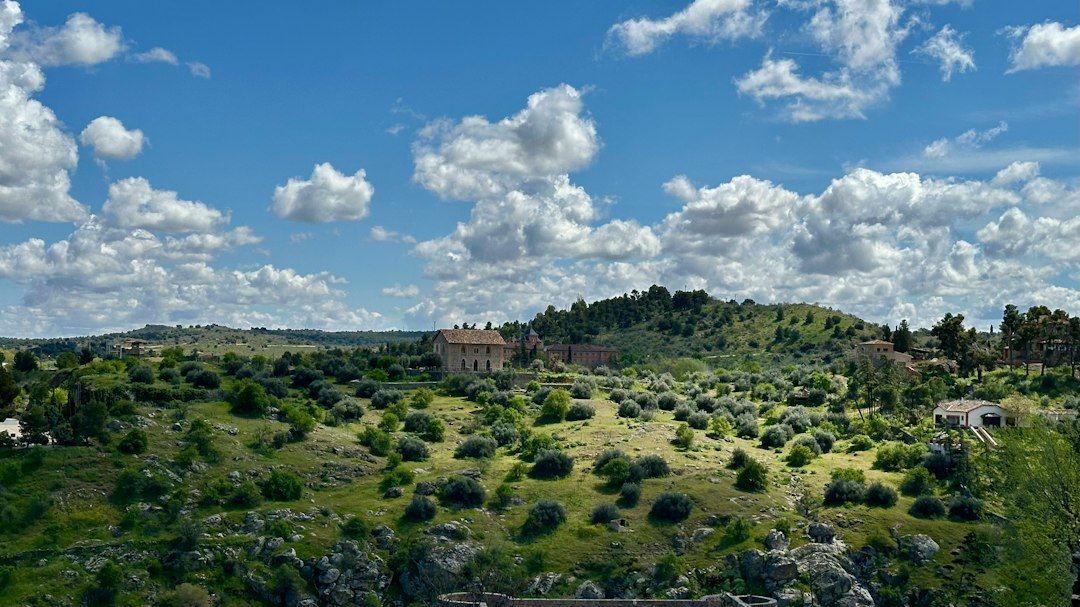
Photo by Valeriia Ruban on Unsplash
The Camino Through Navarra: Regional Guide
Walking through Navarra is like stepping into a vibrant tapestry of culture, nature, and history. This section of the Camino de Santiago offers a unique blend of landscapes, from the towering Pyrenees to the rolling golden fields that stretch towards the Rioja border. As you traverse this beautiful region, you can expect to encounter Basque-influenced culture, delicious pintxos, and a variety of local wines that will make your pilgrimage unforgettable. In this Camino Navarra guide, I’ll share what you can expect in this remarkable stretch of the journey, including stages, gastronomy highlights, cultural traditions, accommodation options, terrain details, and the best times to walk.
Stages of the Camino in Navarra
The Camino Francés, the most popular route, brings you through Navarra, starting at the French border at Roncesvalles and continuing to the city of Pamplona. This section is approximately 160 kilometers long and can be comfortably completed in about a week, depending on your pace and the time you want to spend exploring.
The first stage from Roncesvalles to Zubiri is about 22 kilometers, where you'll experience the stunning natural beauty of the Pyrenees. The path is well-marked and leads you through lush forests and charming villages. Following Zubiri, you’ll walk to Pamplona, a distance of around 20 kilometers. Pamplona is famous for its Running of the Bulls, but it also boasts a rich history and vibrant atmosphere that every pilgrim should experience.
After Pamplona, the route continues to Puente la Reina, a picturesque town known for its medieval bridge. This stage is roughly 24 kilometers. The next leg takes you to Estella, another 22 kilometers along the way, where you can admire its historical architecture and sample local wines. Finally, the path leads you from Estella to Los Arcos, completing the Navarra section of the Camino.
Gastronomy Highlights
One of the best parts of walking the Camino is indulging in the local cuisine, and Navarra does not disappoint. The region is famous for its pintxos, small snacks typically served on a skewer or atop a piece of bread. In Pamplona, take the time to hop from bar to bar, sampling delicious bites like tortilla de patatas, chistorra (a type of sausage), and local cheeses.
Don’t miss the opportunity to enjoy a glass of Navarra wine. The region is known for its rosés, but you’ll find a variety of reds and whites that perfectly complement your meals. In Estella, visit a local restaurant to try the signature dish, "pochas con almejas," a delightful dish of fresh beans and clams.
👉 Camino del Norte: Guide to the Coastal Route
Cultural Traditions
Navarra is steeped in history and tradition. As you walk through its towns, you will notice the influence of both Basque and Spanish cultures. Festivals are an essential part of life here, with events such as San Fermín in Pamplona attracting thousands of visitors each year. However, smaller local celebrations, such as harvest festivals and religious processions, offer genuine insights into the community spirit.
The Camino is not just a physical journey; it is also a spiritual one. Many pilgrims find themselves reflecting on their experiences as they walk, and the churches and chapels along the way provide perfect spots for contemplation. Be sure to take a moment in the ancient church of Santa María in Roncesvalles, which is a significant pilgrimage site.
Accommodation Options
Finding a place to rest after a day of walking is part of the adventure. In Navarra, accommodation options range from albergues (hostels) to charming hotels. Albergues are ideal for pilgrims on a budget, offering dormitory-style rooms and the chance to meet fellow walkers. Many albergues also provide dinner and breakfast, making them a convenient choice.
In towns like Pamplona and Estella, you will find a wider range of accommodation, including boutique hotels and guesthouses. Booking in advance can be wise during peak walking seasons, as these places can fill up quickly, especially in July and August.
Best Time to Walk
The best time to walk the Camino through Navarra is in spring (April to June) and autumn (September to October). During these months, the weather is generally mild, making for pleasant walking conditions. You’ll also enjoy the beautiful scenery as the fields bloom in spring and the autumn colors transform the landscape. Summer can be quite hot, especially in July and August, so be prepared for higher temperatures if you choose to walk during this period.
👉 Camino de Invierno: The Winter Route via Ribeira Sacra
Terrain
The terrain in Navarra varies significantly, offering both challenges and rewards for pilgrims. The Camino begins with a climb through the Pyrenees, where you’ll encounter some steep sections, but the views are worth every step. As you descend into the valleys, the path becomes more gentle, winding through picturesque vineyards and farmland.
The well-marked trails make navigation straightforward, but remember to wear sturdy hiking shoes, as some parts can be rocky or uneven. Carry plenty of water, especially during the warmer months, and take breaks to soak in the beautiful surroundings.
In conclusion, walking the Camino through Navarra is an enriching experience filled with cultural encounters, delicious food, and breathtaking landscapes. Whether you're a seasoned pilgrim or a first-time walker, this section of the Camino de Santiago offers something special for everyone.
If you’re planning your journey, consider reaching out to SenderoX. They can help you plan your Camino with Santiago, a personal assistant that creates personalized itineraries tailored to your preferences. Let them help you make the most of your pilgrimage experience.
Your personalized itinerary in minutes
Choose your route, start and dates, and in a minute get your itinerary day by day: where to sleep, maps of each stage and a PDF. Free.
Start Planning