Celtic Galicia on the Camino de Santiago
May 29, 2026 · 5 min read
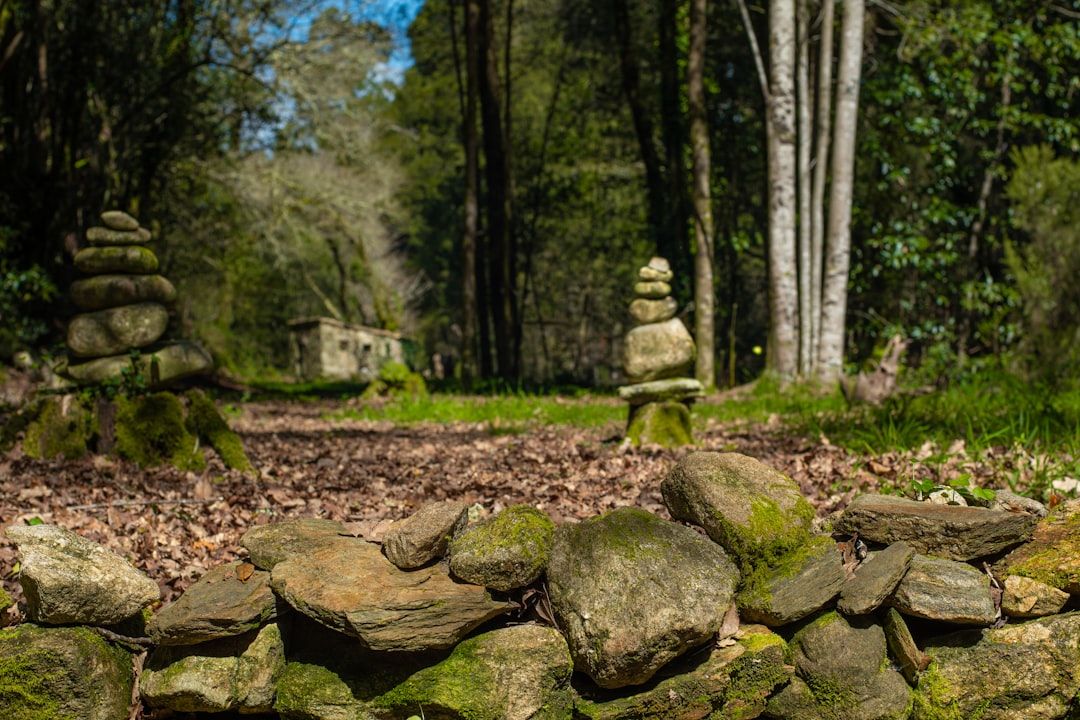
Photo by Natalia Gusakova on Unsplash
Celtic Galicia on the Camino de Santiago
As you embark on the Camino de Santiago, you may be surprised to discover that the path you walk today is not just a pilgrimage steeped in Christian tradition, but also a journey through the rich tapestry of Celtic heritage that weaves through the lands of Galicia. The essence of this Celtic Galicia Camino is palpable in the landscape, the music, and the customs that have persevered through centuries. Let’s take a closer look at how this Celtic influence shapes the experience of walking the Camino.
Celtic Settlements and Castros
One of the most fascinating aspects of Galicia is its ancient history, particularly its Celtic roots. The landscape is dotted with castros, which are fortified settlements that date back to the Iron Age. These remnants of Celtic civilization can be found throughout the region, especially in the provinces of A Coruña and Lugo. As you walk the Camino, consider taking detours to explore these sites; the views from the hilltops often reward you with breathtaking panoramas of the surrounding countryside.
The castros not only offer a glimpse into ancient life but also serve as a testament to the resilience of Celtic culture. The circular stone structures, often surrounded by walls, were home to the early Galician people who lived in harmony with the land. These sites represent a time when spirituality and the natural world were deeply intertwined, a theme that resonates with the spiritual journey many pilgrims undertake today.
Celtic Festivals and Traditions
As you traverse the Camino, you’ll feel the pulse of Celtic traditions alive in the vibrant festivals that celebrate this heritage. One of the most notable events is the Festas de San Juan, held in late June, where locals and visitors alike gather to celebrate the summer solstice. Bonfires light up the night, echoing ancient rituals of purification and renewal, reflecting the Celtic connection to nature and the cycles of life.
In addition to San Juan, many smaller towns along the Camino host their own festivals that feature traditional music, dance, and food. Keep an ear out for the sound of the gaita, a bagpipe that has become synonymous with Galician music. The haunting melodies of the gaita will transport you to another time, evoking the spirit of the Celts who once roamed these hills. Participating in these festivities can be a delightful way to connect with the local culture and make your pilgrimage even more memorable.
The Palloza Houses of O Cebreiro
As you make your way toward O Cebreiro, be sure to stop and admire the unique palloza houses. These traditional dwellings, with their thatched roofs and stone walls, are a perfect representation of the region’s Celtic heritage. The design of the palloza has ancient roots, with similarities to the roundhouses found in other Celtic regions, such as Brittany and Ireland.
👉 After the Camino: Dealing with Post-Camino Blues
Visiting O Cebreiro is like stepping back in time. The village is not only picturesque but also steeped in history. The Church of Santa María la Real, with its medieval architecture, is home to a revered relic, and the surrounding landscape offers stunning views of the mountains. Spending some time here allows you to appreciate the blend of Celtic and Christian influences that characterize Galicia.
Connection to Ireland and Brittany
The historical ties between Galicia and other Celtic regions, such as Ireland and Brittany, are fascinating and add another layer of depth to your pilgrimage. It is said that the ancient Celts migrated across the seas, bringing their traditions and beliefs with them. As you walk the Camino, you may notice similarities in language, music, and even folklore that connect these distant lands.
The idea of pilgrimage itself has deep roots in Celtic tradition, where journeys were often undertaken in search of spiritual enlightenment. The Camino de Santiago serves as a modern continuation of this ancient practice, where pilgrims from all over the world come together, united by a common goal and spirit of adventure.
Celtic Spirituality and the Camino
Celtic spirituality is deeply connected to nature, emphasizing the sacredness of the earth and the importance of living in harmony with the surrounding environment. This perspective can enhance your experience on the Camino, encouraging you to take in the beauty of the Galician landscape and reflect on your own journey.
As you walk, take moments to pause and breathe in the fresh air, listen to the rustling leaves, and feel the earth beneath your feet. Many pilgrims find that this connection to nature deepens their spiritual experience, allowing them to reflect on their lives and intentions as they make their way to Santiago.
👉 Health Benefits of Walking the Camino de Santiago
Preservation of Pre-Christian Traditions
One of the most remarkable aspects of Galicia is how pre-Christian traditions have survived and evolved over the centuries. While Christianity has played a significant role in shaping the region, many ancient customs and beliefs still persist. This blend of old and new creates a unique cultural landscape that is both rich and diverse.
As you walk the Camino, you’ll encounter symbols and rituals that echo these ancient traditions. From the use of the Celtic cross to the rituals performed during local festivals, the spirit of the Celts is very much alive in Galicia. This cultural richness not only enhances your pilgrimage but also offers a deeper understanding of the history and people of the region.
In Conclusion
Walking the Camino de Santiago is a journey of discovery, not just of the physical path but of the rich cultural heritage that underpins it. The Celtic influence in Galicia adds a unique layer to the experience, connecting you to ancient traditions and vibrant local customs. Whether you find yourself exploring a castro, dancing at a local festival, or simply enjoying the serenity of the landscape, the spirit of Celtic Galicia will undoubtedly enhance your pilgrimage.
If you're looking to plan your own Camino adventure, consider reaching out to SenderoX. With Santiago, their personal assistant, you can create a personalized itinerary tailored to your interests and preferences, ensuring that your journey through Celtic Galicia is as fulfilling and memorable as possible. Happy walking!
Your personalized itinerary in minutes
Choose your route, start and dates, and in a minute get your itinerary day by day: where to sleep, maps of each stage and a PDF. Free.
Start Planning