Finisterre on the Camino de Santiago: Guide
August 08, 2026 · 4 min read
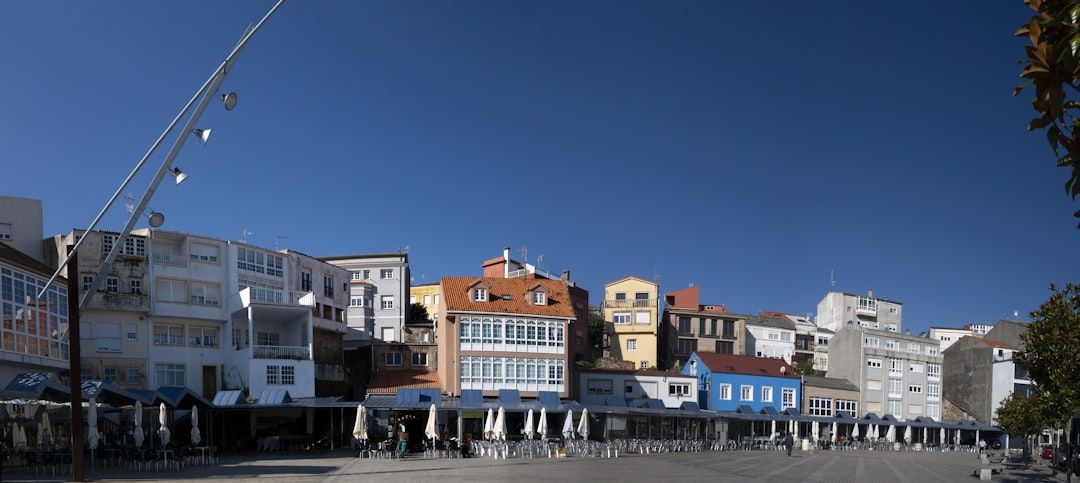
Photo by Snap Wander on Unsplash
Finisterre on the Camino de Santiago: Guide
As you conclude your journey along the Camino de Santiago, many pilgrims choose to extend their pilgrimage to Finisterre, known as the "End of the World." This mystical place offers a breathtaking coastal experience and a chance to reflect on your journey. In this guide, I’ll share everything you need to know about visiting Finisterre on the Camino de Santiago, including what to see and do, where to eat, accommodation options, practical tips, and some historical highlights.
What to See and Do
The first thing that strikes you upon arriving in Finisterre is the stunning natural beauty. The rugged coastline, dramatic cliffs, and the iconic lighthouse at Cape Finisterre create a mesmerizing backdrop. Make sure to spend some time at the lighthouse, which is located about three kilometers from the town. The walk to the lighthouse is refreshing, and standing at the edge of the continent, you can feel a sense of accomplishment wash over you.
One of the most cherished traditions among pilgrims is the burning of boots. After walking hundreds of kilometers, many choose to ceremoniously burn their worn-out footwear at the lighthouse, symbolizing the end of their journey. It’s a powerful moment of closure and reflection, surrounded by like-minded travelers. Be sure to bring along a pair of boots or shoes you’re ready to part with, or simply join the ceremony as an observer.
Don’t miss the chance to witness a sunset at Finisterre. The sun dipping below the horizon creates a magical atmosphere that many pilgrims describe as one of the highlights of their journey. It’s an excellent opportunity to pause, reflect, and take in the beauty of your surroundings.
Where to Eat Local Specialties
Finisterre has a variety of dining options where you can indulge in local specialties. Seafood lovers will be in heaven here, as the region is known for its fresh fish and shellfish. Look for restaurants that offer dishes like pulpo a la gallega (Galician octopus) and empanada gallega (Galician pie) to get a true taste of the local cuisine.
One popular spot is O Rincón da Baiuca, a cozy restaurant known for its warm atmosphere and delicious seafood dishes. Another great option is A Grelha, where you can enjoy grilled fish right by the sea. Don’t forget to pair your meal with a glass of local Albariño wine, which complements the seafood beautifully.
👉 Saint-Jean-Pied-de-Port on the Camino de Santiago: Guide
Accommodation Options
When it comes to accommodation, Finisterre offers a range of options to suit every pilgrim’s budget. Albergues, or hostels, are a popular choice among those looking for an affordable and social experience. Albergue Fin do Camiño is a great option, offering comfortable dormitory-style rooms and a welcoming atmosphere.
If you prefer a bit more privacy or comfort, there are several hotels and guesthouses in the area. Hotel Oca Insuela Finisterre is a well-rated hotel that offers beautiful views, modern amenities, and easy access to the coast. For a more intimate experience, consider staying at a local guesthouse where you can enjoy home-cooked meals and personalized hospitality.
Practical Tips
Getting to Finisterre is relatively straightforward. From Santiago de Compostela, you can take a bus, which takes about 2.5 hours. Buses run regularly throughout the day, making it convenient for pilgrims to reach their destination. Once in Finisterre, everything is within walking distance, so be prepared to explore on foot.
As you plan your visit, keep in mind that the weather can be unpredictable, especially along the coast. Bring layers and a waterproof jacket to stay comfortable during your stay. While the summer months can be crowded, visiting in the shoulder seasons of spring or fall offers a more peaceful experience.
Historical Highlights
Finisterre is steeped in history, dating back to ancient times when it was believed to be the end of the known world. The Romans revered this area, and remnants of their presence can still be found today. The town itself has a rich maritime history, and the local museum offers insights into Finisterre’s past, from its fishing traditions to its significance as a pilgrimage site.
👉 Roncesvalles on the Camino de Santiago: Guide
The medieval church of Santa María das Areas is also worth a visit. This small but beautiful church is a reminder of the area's long-standing connection to the Camino and its religious significance. The charm of Finisterre lies not only in its breathtaking scenery but also in its deep historical roots.
Continuing to the Next Stage
After soaking in the beauty and history of Finisterre, you may want to continue your journey to Muxía, another popular pilgrimage site. The coastal path between Finisterre and Muxía is incredibly scenic, offering stunning views along the way. The journey takes about three hours on foot, making it a perfect day trip for those looking to extend their pilgrimage.
In conclusion, Finisterre is a must-visit destination for anyone walking the Camino de Santiago. With its breathtaking landscapes, rich history, and unique traditions, it’s the perfect place to reflect on your journey and find closure. Whether you’re burning your boots or simply enjoying a delicious meal by the sea, Finisterre offers an unforgettable experience.
If you’re planning your Camino and want to make the most of your experience, consider reaching out to SenderoX. With their personal assistant, Santiago, you can create personalized itineraries tailored to your preferences, ensuring a memorable and fulfilling journey along the Camino de Santiago.
Your personalized itinerary in minutes
Choose your route, start and dates, and in a minute get your itinerary day by day: where to sleep, maps of each stage and a PDF. Free.
Start Planning