Frómista on the Camino de Santiago: Guide
June 19, 2026 · 5 min read
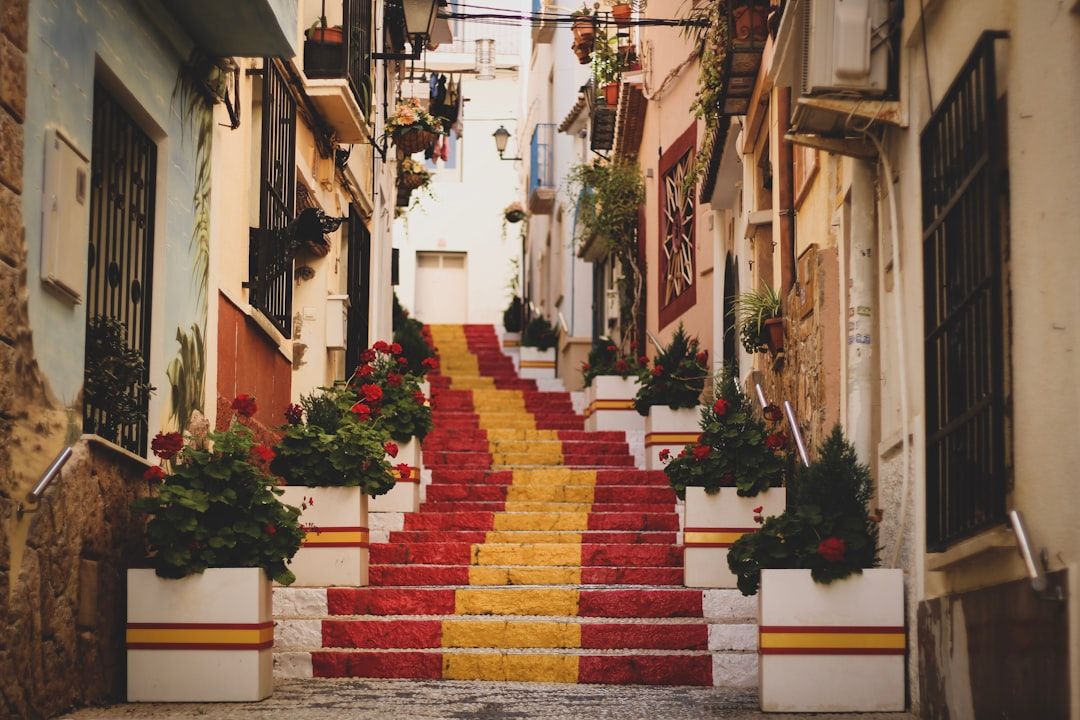
Photo by Sam Williams on Unsplash
Frómista on the Camino de Santiago: Guide
As you walk the Camino de Santiago, you’ll find that every village along the route has its own unique charm and history. One such gem is Frómista, a small town that serves as a delightful stop for pilgrims. Nestled in the heart of the Palencia province, Frómista is not only a picturesque spot but also rich in history and culture. This guide will help you navigate your time in Frómista, ensuring you make the most of your pilgrimage.
Historical Highlights
Frómista has a fascinating history that dates back to the 11th century. It was once a significant stop for pilgrims traveling to Santiago de Compostela, and its importance has not waned. One of the town's crowning jewels is the Church of San Martín, a perfect example of Romanesque architecture. Built in the late 11th century, the church features stunning stone carvings and a majestic bell tower that will leave you in awe. Take a moment to step inside and admire the interior; the serene atmosphere offers a lovely respite from your long day of walking.
Another historical highlight is the Canal de Castilla, an impressive 18th-century engineering marvel. Constructed for navigation and irrigation, it played a crucial role in the region's development. Strolling along the canal, you can enjoy the scenic views and perhaps even spot some local wildlife. The combination of history and nature here is truly enchanting, making Frómista a perfect place for reflection.
What to See and Do
Aside from the Church of San Martín and Canal de Castilla, there are several other activities to enjoy in Frómista. If you’re up for a bit of exploration, take a leisurely walk around the village. You’ll find charming streets lined with traditional Spanish homes, inviting plazas, and friendly locals. Don’t forget to check out the local shops where you can find unique souvenirs, including artisan crafts and treats.
Frómista also offers various walking paths that provide a chance to stretch your legs and enjoy the beautiful landscape. Whether you choose a short stroll along the canal or a longer hike through the surrounding countryside, the scenery will captivate your heart.
Where to Eat Local Specialties
After a day of walking, you’ll want to refuel with some delicious local cuisine. Frómista is known for its hearty meals that reflect the rich agricultural traditions of the area. One must-try dish is the “morcilla de Burgos,” a type of blood sausage that is both flavorful and satisfying. You can find this dish in many local restaurants, usually served with potatoes or in a stew.
👉 Saint-Jean-Pied-de-Port on the Camino de Santiago: Guide
Another local specialty is “olla podrida,” a traditional stew made with various meats, beans, and vegetables. It’s a dish that warms the soul and will surely replenish your energy for the next leg of your journey. For dessert, look for “tarta de queso,” a delightful cheese tart that offers a sweet end to a fulfilling meal.
When dining in Frómista, you’ll find a mix of cozy taverns and more formal restaurants, catering to a range of tastes and budgets. Don't hesitate to ask locals for their favorite spots—they are often more than happy to share their recommendations.
Accommodation Options
Finding a place to rest in Frómista is relatively easy, with several albergues and hotels available for pilgrims. Albergues are a popular choice, providing budget-friendly dormitory-style accommodation where you can meet fellow travelers and share stories from the road. One well-regarded albergue is Albergue de Peregrinos Casa de la Abuela, known for its warm hospitality and communal atmosphere.
If you prefer a bit more privacy, consider booking a room in one of the local hotels. Hotel San Martín is a comfortable option that offers private rooms and is conveniently located near the town center. Regardless of where you choose to stay, be sure to book in advance, especially during the peak pilgrimage season, to ensure you have a cozy place to rest your tired feet.
Practical Tips
While exploring Frómista, there are a few practical tips to keep in mind. First, be sure to carry enough water with you, especially during the warmer months. Hydration is key as you continue your journey. Also, take advantage of the local shops to stock up on snacks for the road; you’ll appreciate having some energy-boosting treats on hand.
👉 Roncesvalles on the Camino de Santiago: Guide
If you’re looking to send a postcard or two from your pilgrimage, there’s a post office in town where you can purchase stamps. And don’t forget to collect your Camino passport stamps at the Church of San Martín or local cafes as proof of your journey.
Getting There and Continuing to the Next Stage
Frómista is easily accessible by foot from nearby towns along the Camino. If you’re coming from the town of Carrión de los Condes, it’s about a 20-kilometer walk, which should take around 5 to 6 hours. If you need to take a break from walking, there are also bus services connecting Frómista with other towns.
As you prepare to leave Frómista, the next stage of your journey leads you toward the beautiful village of Boadilla del Camino. This stretch will bring you through more stunning landscapes, with plenty of opportunities to connect with nature and reflect on your experiences thus far.
In conclusion, Frómista is a charming stop on the Camino de Santiago that offers historical treasures, delicious food, and welcoming accommodations. Take your time to soak in the atmosphere and enjoy everything this lovely town has to offer. If you're planning your Camino and want personalized itineraries tailored to your specific needs, consider reaching out to SenderoX. With Santiago, their personal assistant, you can create a memorable journey that aligns perfectly with your pilgrimage dreams.
Your personalized itinerary in minutes
Choose your route, start and dates, and in a minute get your itinerary day by day: where to sleep, maps of each stage and a PDF. Free.
Start Planning