Hardest Camino de Santiago Stages: Be Prepared
March 23, 2026 · 4 min read
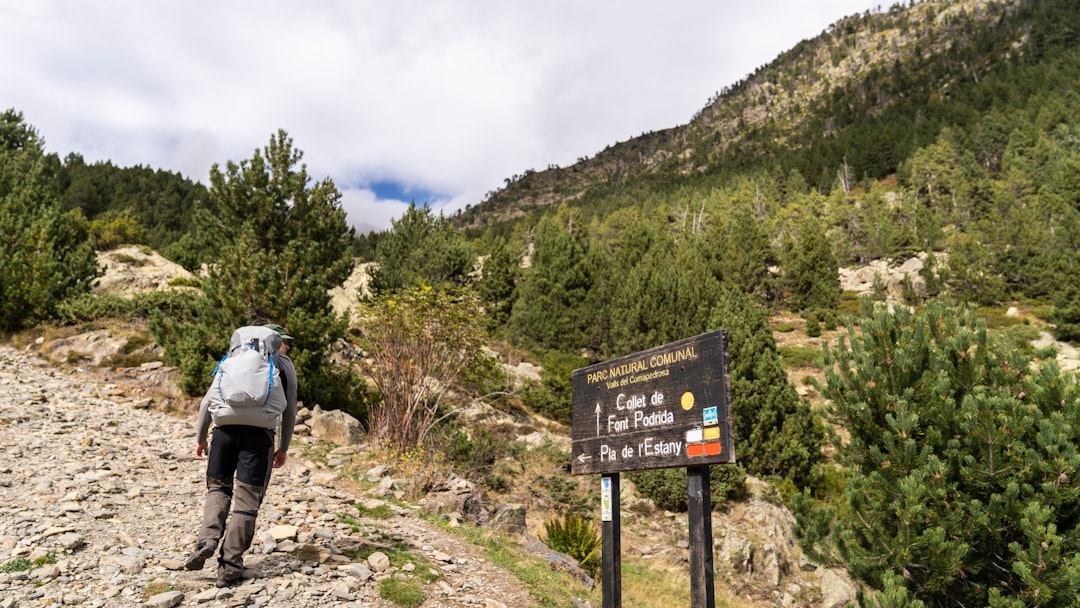
Photo by Hendrik Morkel on Unsplash
Hardest Camino de Santiago Stages: Be Prepared
Embarking on the Camino de Santiago is a journey filled with breathtaking landscapes, rich history, and personal reflection. However, not all stages are created equal. Some are particularly challenging, demanding not just physical stamina but also mental resilience. In this post, we’ll explore the hardest Camino stages, what makes them tough, and how to prepare so that you can tackle them with confidence. Remember, while these stages may be daunting, the rewards at the end are truly worth the effort.
The Epic First Day: Saint-Jean-Pied-de-Port to Roncesvalles
One of the most notorious hardest stages is the first stretch of the Camino Francés, from Saint-Jean-Pied-de-Port to Roncesvalles. Spanning 25 kilometers with an elevation gain of 1,400 meters, this stage presents an epic crossing of the Pyrenees. The ascent is steep and relentless, followed by a challenging descent to the historic monastery of Roncesvalles. The stunning mountain scenery and panoramic views are breathtaking, but they come at a price. To tackle this stage, it’s crucial to pace yourself, take regular breaks, and stay hydrated. Starting early in the day will also help you avoid the afternoon heat. The sense of accomplishment you’ll feel upon reaching Roncesvalles will be your reward for this demanding first day.
Into the Wilderness: Tineo to Pola de Allande
If you’re taking on the Camino Primitivo, brace yourself for one of its hardest stages: Tineo to Pola de Allande. This 28-kilometer trek includes a 1,200-meter climb toward the remote Puerto del Palo area. The stage is isolated, with few services along the route, making it essential to carry extra water and food. The solitude can feel daunting, but it also offers a unique opportunity to connect with nature and yourself. To prepare for this stage, ensure you have a solid supply of snacks and water, and consider your pace. Keep an eye on the weather, as conditions can change quickly in the mountains. The tranquility and wild beauty you’ll experience will more than make up for the challenges.
The Climb to O Cebreiro
Another challenging stage on the Camino Francés is the trek from Villafranca del Bierzo to O Cebreiro. Over the course of 28 kilometers, you’ll face a brutal 700-meter ascent to O Cebreiro, the gateway to Galicia. This mystical mountain village is known for its ancient palloza stone houses, often shrouded in mist. The climb is tough, but the views and the sense of history make it worthwhile. To prepare for this section, ensure your legs are ready for a serious workout. Stretching beforehand and incorporating hill walks into your training can help build the strength you’ll need. Once you reach O Cebreiro, take a moment to soak in the atmosphere—you’ve earned it!
👉 Easiest Camino de Santiago Stages for Beginners
The Challenge of Camino Primitivo Stages
For those on the Camino Primitivo, be prepared for some of the hardest stages along the way. The stage from Pola de Allande to La Mesa is particularly daunting, stretching 23 kilometers with a climb to the Puerto del Palo at 1,147 meters. This part of the trail is remote and wild, making it essential to be self-sufficient. Pack enough provisions, and consider opting for the Hospitales route for an even more rugged experience. Similarly, the stretch from Grandas de Salime to A Fonsagrada is another tough section, with a climb to the Alto do Acebo at 1,168 meters. Both stages offer spectacular mountain panoramas, but they require careful planning and physical preparation to conquer.
Starting Strong: Oviedo to San Juan de Villapañada
Even the first day of the Camino Primitivo is no walk in the park. The journey from Oviedo to San Juan de Villapañada is 31 kilometers long and includes serious climbing right from the start. The original route walked by King Alfonso II is filled with beautiful forest and rural paths, but it’s also challenging from day one. To tackle this stage, make sure your training includes long walks with elevation gain. Starting with a lighter pack and gradually increasing weight can also help simulate what you’ll experience on the Camino. The history and nature you’ll encounter along the way will serve as a great motivator.
Preparing for the Hardest Stages
While the hardest Camino stages can be intimidating, they also offer some of the most rewarding experiences. Preparation is key. Train your body with long walks that include elevation gain, and familiarize yourself with the terrain you’ll encounter. Packing wisely is also crucial; bring enough food and water, and wear comfortable shoes that have been broken in. Mental preparation is just as important—visualize your success and remind yourself of the incredible views and sense of community that await you.
👉 Camino de Santiago in 7 Days: Short Route Options
In conclusion, while the hardest Camino stages may pose significant challenges, they also provide unparalleled opportunities for personal growth, connection with nature, and camaraderie with fellow pilgrims. The satisfaction that comes from overcoming these obstacles is a reward in itself.
If you’re feeling overwhelmed by the planning process, don’t worry! At SenderoX, you can plan your Camino with Santiago, a personal assistant that creates personalized itineraries tailored to your needs. With the right support, you’ll be ready to embrace every challenging step of your journey. Happy walking!
Your personalized itinerary in minutes
Chat with Santiago, our personal assistant, and get a tailored itinerary with handpicked hotels, direct contacts, and everything you need for your dates.