Why Santiago? The Legend of St. James the Apostle
May 11, 2026 · 4 min read
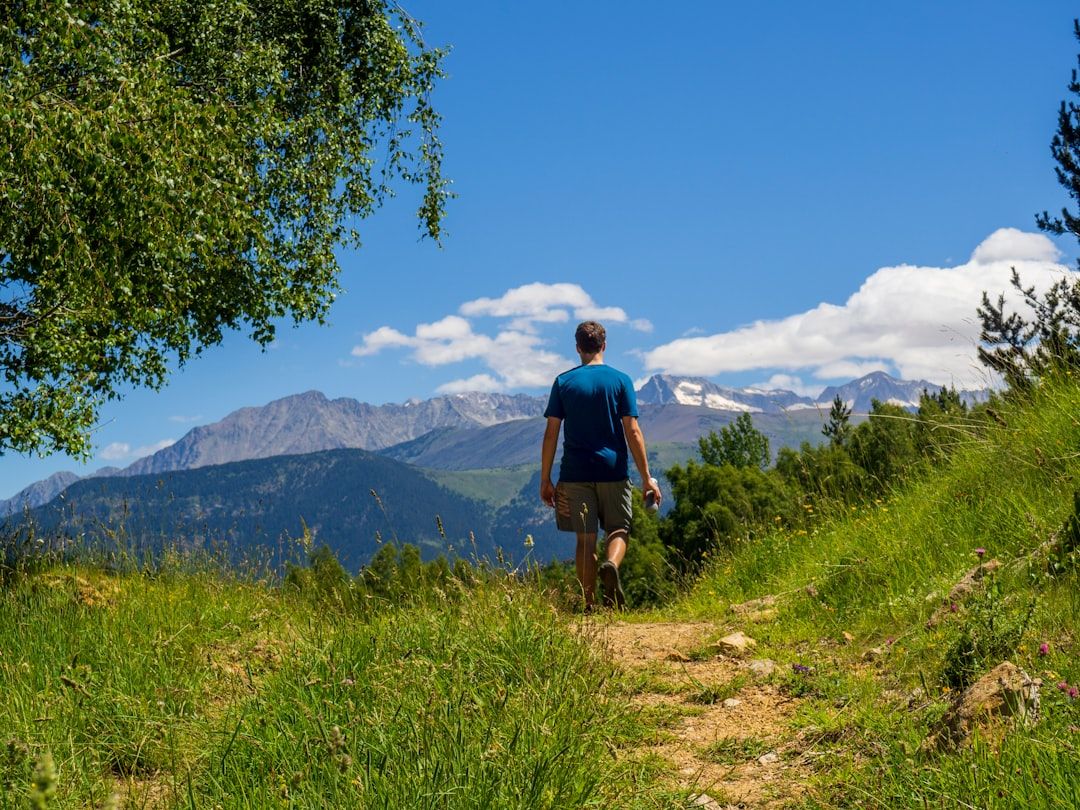
Photo by Sergi Kabrera on Unsplash
Why Santiago? The Legend of St. James the Apostle
When you set out on the Camino de Santiago, you’re not just embarking on a physical journey; you’re stepping into a rich tapestry of history and legend that has shaped the very essence of this pilgrimage. At the heart of it all lies the figure of St. James the Apostle, whose story has captivated the hearts and minds of countless pilgrims over the centuries. So why is Santiago so intimately connected to St. James? Let’s unravel the legend of this remarkable man and the journey that brought his name to the forefront of one of the world’s greatest pilgrimages.
The Early Life and Preaching of St. James
St. James, known as Santiago in Spanish, was one of the twelve apostles chosen by Jesus. According to tradition, after the death and resurrection of Christ, he embarked on a mission to spread the Gospel, reaching as far as Hispania, which is modern-day Spain. His preaching was met with both enthusiasm and resistance. The story goes that he traveled through various regions, sharing the teachings of Christ and helping to establish early Christian communities. However, his mission was not without challenges, and it is said that he faced persecution for his beliefs.
Martyrdom and the Miraculous Journey
The legend takes a dramatic turn when St. James returned to Jerusalem. There, he was arrested and eventually martyred around 44 AD, becoming one of the first apostles to die for his faith. His remains, according to legend, were transported back to the Iberian Peninsula in a miraculous way. A boat, guided by divine intervention, is said to have carried his body across the sea and up the coast of Galicia, where the tides led it safely to the shores of what is now Santiago de Compostela. This miraculous journey added a layer of intrigue to his story, creating a deep connection between St. James and the land that would eventually become a major Christian pilgrimage site.
The Discovery of the Tomb
Fast forward to the 9th century, when the legend of St. James took on new life thanks to a humble hermit named Pelayo. While tending to his monastic duties in the region, Pelayo reportedly witnessed a series of celestial signs that led him to a hidden tomb. After investigating further, he discovered the remains of St. James, nestled in the earth and surrounded by a grove of stars. This monumental discovery captured the attention of local authorities, including Bishop Teodomiro, who recognized the significance of the site and declared it a place of pilgrimage.
👉 History of the Camino de Santiago: From Medieval Times to Today
The establishment of the shrine at Santiago de Compostela marked a pivotal moment in Christian history. Bishop Teodomiro was instrumental in building a church over the tomb, attracting pilgrims from all corners of Europe. The story of St. James began to spread, and with it, the desire for spiritual renewal and penance led thousands to undertake the journey to Santiago. The legend of St. James had not only built a city but also ignited the flames of one of the largest and most enduring pilgrimage routes in the world.
The City of Santiago and Its Pilgrims
Today, Santiago de Compostela stands as a testament to the legend of St. James. The city itself is a vibrant hub of culture, spirituality, and history. As you stroll through its narrow streets, you can feel the echoes of those who have walked before you, each with their own story and purpose. The magnificent cathedral, a masterpiece of Romanesque architecture, looms large at the end of the Camino, drawing pilgrims into its embrace. Here, they come to pay homage to St. James, reflecting on their journeys, seeking solace, and finding a sense of belonging in the shared experience of pilgrimage.
The legend of St. James has transformed Santiago into more than just a destination; it has become a symbol of faith, hope, and personal transformation. Every year, thousands of pilgrims from diverse backgrounds and beliefs converge on this sacred site, each carrying their own burdens and aspirations. Whether to seek forgiveness, spiritual growth, or simply a connection to something greater than themselves, the Camino provides a unique opportunity to reflect and rejuvenate the soul.
👉 10 Most Beautiful Stages of the Camino de Santiago
Planning Your Camino
As you contemplate your own journey along the Camino de Santiago, take a moment to reflect on the legend of St. James. His story serves as a reminder of the power of faith and the importance of connection, both to ourselves and to those we meet along the way. The Camino is not just about the destination but the experiences, challenges, and friendships formed during the journey.
If you’re feeling overwhelmed by the logistics of planning your Camino, don’t worry—there's help available. At SenderoX, you can plan your Camino with Santiago, a personal assistant that creates personalized itineraries to suit your needs and preferences. Whether it’s your first pilgrimage or a return to familiar paths, having a tailored plan will enhance your experience and allow you to focus on what truly matters: your journey and the legend that awaits you in Santiago.
Your personalized itinerary in minutes
Choose your route, start and dates, and in a minute get your itinerary day by day: where to sleep, maps of each stage and a PDF. Free.
Start Planning