Lugo on the Camino de Santiago: Guide
July 19, 2026 · 4 min read
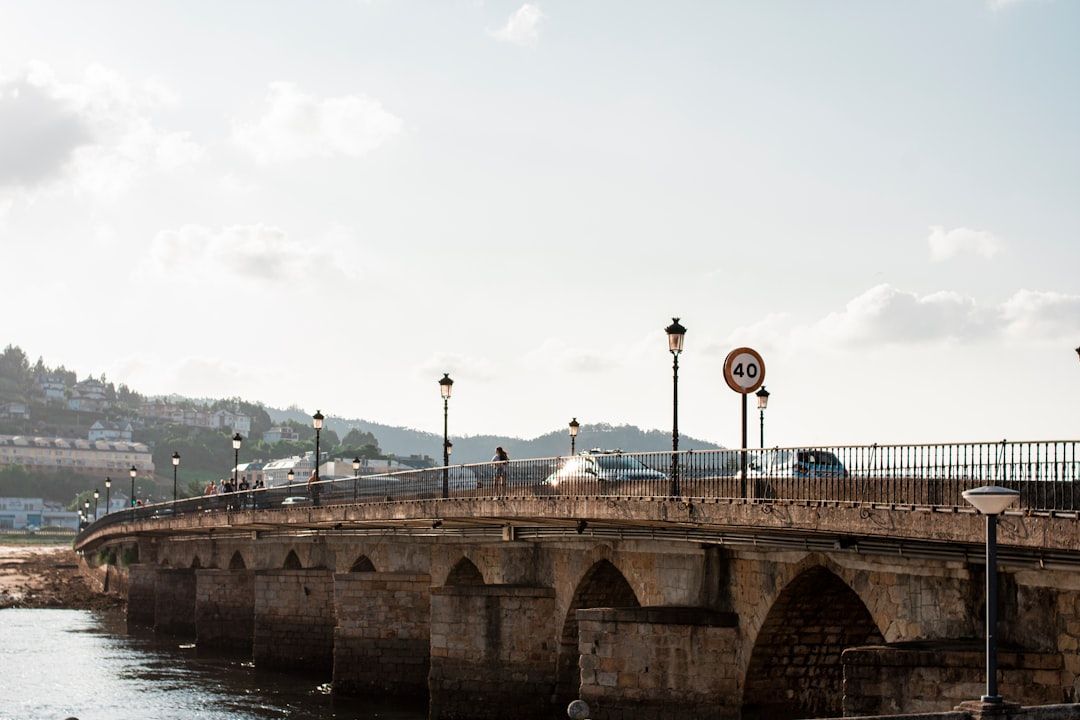
Photo by Hayffield L on Unsplash
Lugo on the Camino de Santiago: Guide
As you walk along the Camino de Santiago, there's a special charm about the city of Lugo that captivates every pilgrim who passes through. Nestled in the heart of Galicia, Lugo is not just a stopover; it's a destination filled with history, culture, and culinary delights. If you’re planning your route, this guide will help you discover the treasures that await you in Lugo.
Historical Highlights
The most striking feature of Lugo is undoubtedly its well-preserved Roman walls, which have earned a UNESCO World Heritage designation. These walls, stretching nearly 2 kilometers around the city, date back to the 3rd century AD and are one of the best examples of Roman military architecture still standing today. You can walk along the top of the walls for stunning views of the city and the surrounding landscape. Be sure to take a moment to appreciate the mix of ancient and modern that defines Lugo.
While you’re in the city, don’t miss the stunning Cathedral of Santa María, a magnificent blend of Gothic and Romanesque architecture. The cathedral's interior is just as impressive, with beautiful chapels and a serene atmosphere that invites reflection. As you explore, keep an eye out for the numerous churches and historic buildings that dot the city, each telling its own story.
What to See and Do
Lugo has much to offer beyond its walls. Take a leisurely stroll through the old town, where narrow cobblestone streets are lined with quaint shops and local artisans. The vibrant atmosphere is especially alive in the evening, when locals gather for tapas and conversation. Make your way to the bustling Praza Maior, the main square, where you can soak in the lively ambiance and perhaps catch a local event or performance.
Another must-see is the Parque do Mino, a beautiful park that hugs the banks of the river. It’s the perfect spot to rest your weary legs after a long day of walking. The park features lovely walking paths, gardens, and benches where you can sit and enjoy the serene surroundings.
Culinary Delights
No visit to Lugo would be complete without indulging in some local cuisine. The city is famed for its pulpo a la gallega, or Galician octopus. This dish is typically served with boiled potatoes, paprika, and a drizzle of olive oil. Head to the Mercado Municipal, where you can find fresh seafood and local produce, or visit one of the many restaurants that specialize in traditional Galician fare. Be sure to try the local wine, Ribeiro, which pairs perfectly with the region's dishes.
👉 Saint-Jean-Pied-de-Port on the Camino de Santiago: Guide
For a more casual dining experience, explore the tapas bars scattered throughout the old town. Here, you can sample a variety of small plates, each showcasing the rich flavors of Galicia. You might find dishes featuring local cheeses, cured meats, and seasonal vegetables. Eating in Lugo is not just about the food; it’s about the experience of sharing a meal with friends, new and old.
Accommodation Options
When it comes to finding a place to rest your head, Lugo offers a range of accommodation options for pilgrims. There are several albergues, or hostels, catering specifically to those walking the Camino. These are great for meeting fellow travelers and sharing stories from the road. Many of them provide basic amenities at an affordable price, making them ideal for budget-conscious pilgrims.
If you prefer a bit more comfort, there are also hotels and guesthouses in the city. These often offer more amenities, such as private bathrooms and breakfast options, for those looking to unwind after a long day of walking. Regardless of where you choose to stay, make sure to book in advance, especially during the peak pilgrimage season.
Practical Tips
As you plan your stay in Lugo, there are a few practical tips to keep in mind. First, the city is quite walkable, so wear comfortable shoes as you'll likely be doing a lot of exploring on foot. Public transport is available for those who prefer not to walk, but many of the best sights are best enjoyed at a leisurely pace.
👉 Roncesvalles on the Camino de Santiago: Guide
Language can be a barrier, as not everyone speaks English. However, most menus are available in multiple languages, and you'll find that locals are friendly and willing to help. A few basic phrases in Spanish or Galician can go a long way.
Getting to Lugo and Continuing Your Journey
Getting to Lugo is relatively straightforward. If you’re coming from the north or south, you can take a bus or train to the city. Once you arrive, it’s easy to navigate your way around, with the Camino clearly marked throughout the area. After you’ve enjoyed your time in Lugo, the next stage of your journey continues towards Santiago de Compostela. The route from Lugo to Santiago is approximately 100 kilometers, and many pilgrims choose to take their time to savor the beautiful Galician countryside along the way.
In conclusion, Lugo is more than just a waypoint on the Camino de Santiago. It’s a vibrant city rich in history, culture, and gastronomy, making it a must-visit for any pilgrim.
If you’re looking to plan your own Camino adventure, SenderoX can help you every step of the way. With Santiago, their personal assistant, you can create a personalized itinerary that suits your needs and preferences. Start your journey today and discover the beauty of the Camino de Santiago.
Your personalized itinerary in minutes
Choose your route, start and dates, and in a minute get your itinerary day by day: where to sleep, maps of each stage and a PDF. Free.
Start Planning