Muxía on the Camino de Santiago: Guide
August 09, 2026 · 4 min read
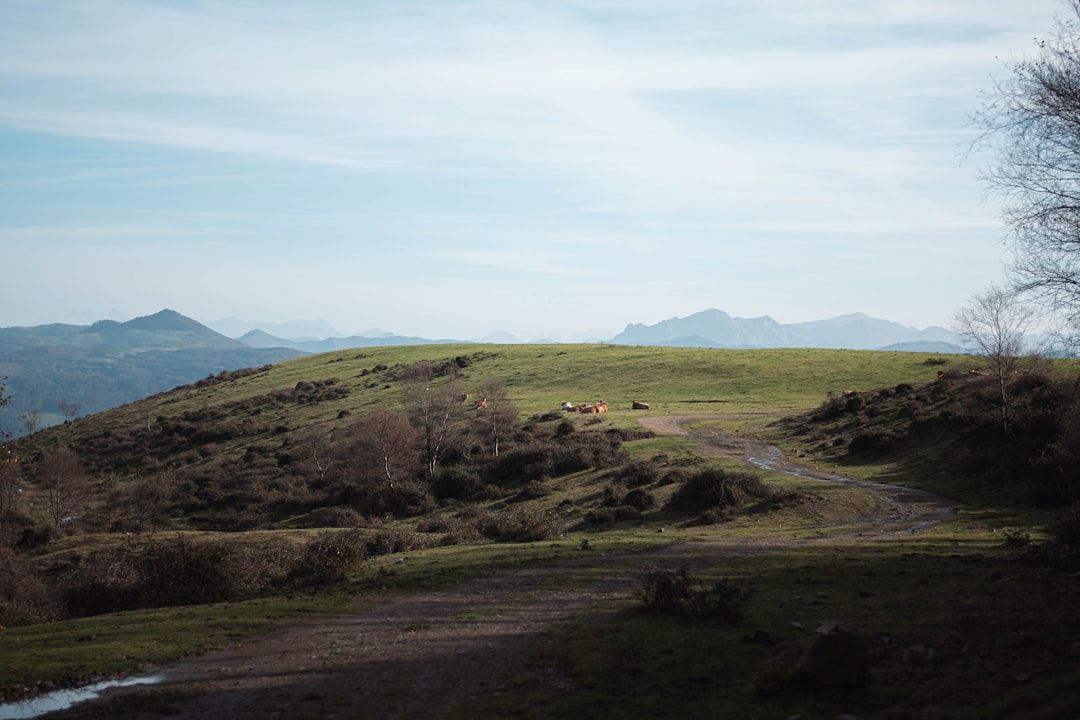
Photo by Yuliia Martynovych on Unsplash
Muxía on the Camino de Santiago: Guide
As you embark on your journey along the Camino de Santiago, Muxía is a destination that should not be missed. Nestled on the dramatic Galician coast, this charming fishing village offers a perfect blend of spiritual significance, breathtaking landscapes, and rich local culture. In this guide, we will explore the highlights of Muxía, from its iconic Santuario da Barca to its delicious local cuisine, comfortable accommodations, and practical tips for your pilgrimage.
Santuario da Barca
The heart of Muxía is undoubtedly the Santuario da Barca, a stunning church perched on a rocky outcrop overlooking the Atlantic Ocean. This sanctuary is an essential pilgrimage site, believed to have been visited by the Virgin Mary herself. The legend goes that she arrived in a boat made of stone, hence the name "Barca," which means boat in Galician. The church is a beautiful blend of Romanesque and Baroque architecture, and it’s a peaceful place to reflect on your journey. Be sure to take a moment to soak in the views of the sea and the rugged coastline. The surrounding area is dotted with ancient stone crosses, which add to the spiritual ambiance of this sacred site.
Coastal Pilgrimage End
Muxía is often considered the "end of the world" for many pilgrims, as it marks the westernmost point of the Camino de Santiago. The wild Atlantic waves crashing against the rocky shores create a dramatic backdrop for your journey’s conclusion. The coastal scenery is breathtaking, and you might find yourself wandering along the cliffs, enjoying the fresh sea breeze and the sounds of nature. The area is also home to the famous "Pedra de Abalar," a rocking stone that is said to have healing powers. Pilgrims often stop here to make a wish or simply to reflect on their experiences.
What to See and Do
While in Muxía, take the time to explore its charming streets and soak up the local atmosphere. The village has a laid-back vibe, with friendly locals eager to share their stories. You can visit the local fishing port and watch the fishermen at work, or perhaps take a leisurely stroll along the beach. If you're feeling adventurous, consider hiking along the coastal trails that offer stunning views of the Atlantic Ocean. The area is rich in biodiversity, making it a great spot for birdwatching and enjoying the beauty of nature.
👉 Saint-Jean-Pied-de-Port on the Camino de Santiago: Guide
Where to Eat Local Specialties
After a long day of walking, you'll want to refuel with some delicious local cuisine. Muxía is known for its fresh seafood, and you can't go wrong with trying the octopus, known as "pulpo a la gallega," which is a local specialty. There are several cozy restaurants and tapas bars where you can sample traditional Galician dishes. Don't forget to pair your meal with a glass of local Albariño wine, which perfectly complements the seafood. For those with a sweet tooth, be sure to try "tarta de Santiago," a traditional almond cake that is a delightful way to end your meal.
Accommodation Options
When it comes to finding a place to stay in Muxía, you have several options to suit your needs and budget. There are albergues available for pilgrims looking for a more communal experience, often offering dormitory-style accommodations at affordable rates. These are great places to meet fellow travelers and share stories of your journey. If you prefer a bit more privacy, there are also hotels and guesthouses that offer comfortable rooms with stunning views of the sea. It’s advisable to book in advance, especially during the peak pilgrimage season, to ensure you have a place to rest after your long days of walking.
Practical Tips
As with any pilgrimage, it’s good to be prepared. Make sure to carry enough water and snacks, especially if you plan on hiking along the coastal trails. The weather can be unpredictable, so layering your clothing is essential. A light waterproof jacket is also a wise addition to your pack. If you’re planning to visit the Santuario da Barca, be sure to check the opening hours, as they can vary seasonally. Lastly, take your time to explore the village and enjoy the slower pace of life that Muxía has to offer.
👉 Roncesvalles on the Camino de Santiago: Guide
Getting There and Continuing to the Next Stage
Getting to Muxía is quite straightforward. If you’re walking the Camino, you will typically arrive from the nearby town of Finisterre, which is about 29 kilometers away. This beautiful coastal route is known for its stunning scenery, so take your time and enjoy the journey. If you’re traveling by bus, there are regular services from Santiago de Compostela, making it easy to reach Muxía. After your stay, you can continue your pilgrimage either back towards Santiago or explore further along the coast.
In conclusion, Muxía is a captivating destination on the Camino de Santiago that offers a unique blend of spirituality, natural beauty, and local culture. Whether you're visiting the Santuario da Barca, savoring local delicacies, or simply soaking in the coastal atmosphere, Muxía will leave a lasting impression on your heart.
If you’re planning your Camino and want to ensure a personalized experience tailored to your needs, consider reaching out to SenderoX. With Santiago, their personal assistant, you can create customized itineraries that will help you make the most of your pilgrimage. Happy walking!
Your personalized itinerary in minutes
Choose your route, start and dates, and in a minute get your itinerary day by day: where to sleep, maps of each stage and a PDF. Free.
Start Planning