Ponte de Lima on the Camino de Santiago: Guide
July 24, 2026 · 4 min read
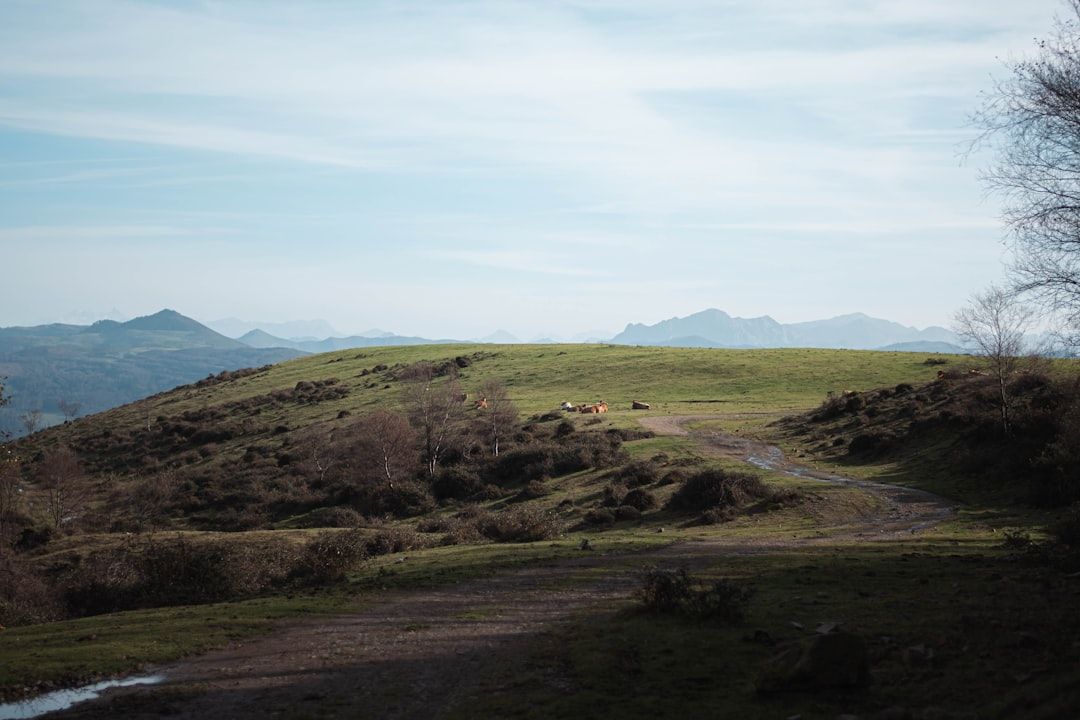
Photo by Yuliia Martynovych on Unsplash
Ponte de Lima on the Camino de Santiago: Guide
Nestled in the lush landscapes of northern Portugal, Ponte de Lima is a charming stop on the Camino de Santiago, often regarded as the oldest town in the country. With its rich history, stunning architecture, and delightful cuisine, it’s a place that every pilgrim should take the time to explore. Whether you’re crossing the iconic Roman bridge or sampling a glass of the region’s famous vinho verde, Ponte de Lima offers a unique blend of culture and hospitality that makes it an unforgettable part of your Camino experience.
Historical Highlights
Ponte de Lima boasts a history that dates back to Roman times, with the town's name derived from the Latin "Pons Limi," which means "bridge over the Lima River." As you walk through the town, you’ll encounter the remnants of its storied past. The Roman bridge, built in the first century AD, is the town's centerpiece, stretching majestically across the river. This remarkable structure has stood the test of time and is a testament to the engineering skills of the Romans. Be sure to take a moment to walk across the bridge and enjoy the stunning views of the surrounding countryside.
As you wander through the cobbled streets, you’ll also find the beautiful Church of Santo António da Senhora da Assunção, which dates back to the 16th century. Its intricate Baroque style and impressive altar make it a must-see for any history enthusiast. Additionally, the town is home to several traditional manor houses and quaint plazas, each telling its own story.
What to See and Do
Ponte de Lima is brimming with activities and sights to enjoy. A leisurely stroll along the Lima River offers picturesque views and a chance to relax amidst nature. If you’re feeling adventurous, consider renting a kayak or a bike to explore the riverbanks or the surrounding trails. The area is also known for its beautiful gardens and parks, perfect for a peaceful afternoon break.
One of the town's highlights is the weekly market held on Mondays, where you can experience local culture firsthand. From fresh produce to handmade crafts, it’s a great place to mingle with locals and sample some regional specialties. And speaking of food, don’t miss the chance to try the traditional "arroz de sarrabulho," a rice dish typically served with pork or game. Pair it with a glass of vinho verde, the local young wine that perfectly complements the area’s culinary delights.
👉 Saint-Jean-Pied-de-Port on the Camino de Santiago: Guide
Where to Eat Local Specialties
When it comes to dining in Ponte de Lima, you are in for a treat. The town is known for its rich gastronomy, and there are numerous restaurants and taverns where you can savor local dishes. A popular spot is O Pescador, known for its fresh seafood and traditional Portuguese cuisine. Another excellent choice is Restaurante A Tasquinha, where you can enjoy hearty meals in a cozy atmosphere. Be sure to ask for recommendations from the locals; they often have the best insights on hidden gems to try.
Accommodation Options
Finding a place to rest your weary feet is essential on the Camino, and Ponte de Lima offers a range of accommodation options. For those looking for a more communal experience, albergues are available, such as Albergue de Peregrinos de Ponte de Lima, which provides a comfortable and affordable stay for pilgrims. If you prefer a bit more privacy, consider staying in one of the charming guesthouses or small hotels, such as Hotel Império do Minho, where you can enjoy modern amenities and a warm welcome.
Practical Tips
As you plan your visit to Ponte de Lima on the Camino de Santiago, there are a few practical tips to keep in mind. The town is quite walkable, but be prepared for some steep streets, so comfortable footwear is a must. Don’t forget to bring your Camino passport, as many local establishments offer stamps to commemorate your journey.
The best time to visit is during the spring or early autumn when the weather is mild, and the town is less crowded. Additionally, be mindful of local festivities; if your visit coincides with one, you may find unique events and celebrations that add to your experience.
👉 Roncesvalles on the Camino de Santiago: Guide
Getting There and Continuing Your Journey
To reach Ponte de Lima, you can either walk from the previous stage of the Camino, which is often from Rubiães, or take a local bus if you need a break. The journey on foot is approximately 20 kilometers and offers beautiful scenery along the way, making it a worthwhile trek.
After you’ve soaked in all that Ponte de Lima has to offer, you can continue your Camino journey toward the next stop, which is Vila Praia de Âncora. This stretch is about 30 kilometers, so be prepared for a longer day of walking, but the coastal views are well worth the effort.
In conclusion, Ponte de Lima is a delightful detour on the Camino de Santiago, rich in history, culture, and culinary delights. Whether you are crossing the Roman bridge, indulging in local dishes, or simply soaking in the atmosphere, it’s a place that will leave a lasting impression. And if you’re looking to plan your Camino adventure, don’t forget that SenderoX can help you create personalized itineraries with Santiago, your personal assistant for the journey ahead. Happy walking!
Your personalized itinerary in minutes
Choose your route, start and dates, and in a minute get your itinerary day by day: where to sleep, maps of each stage and a PDF. Free.
Start Planning