Santiago de Compostela on the Camino de Santiago: Guide
August 10, 2026 · 5 min read
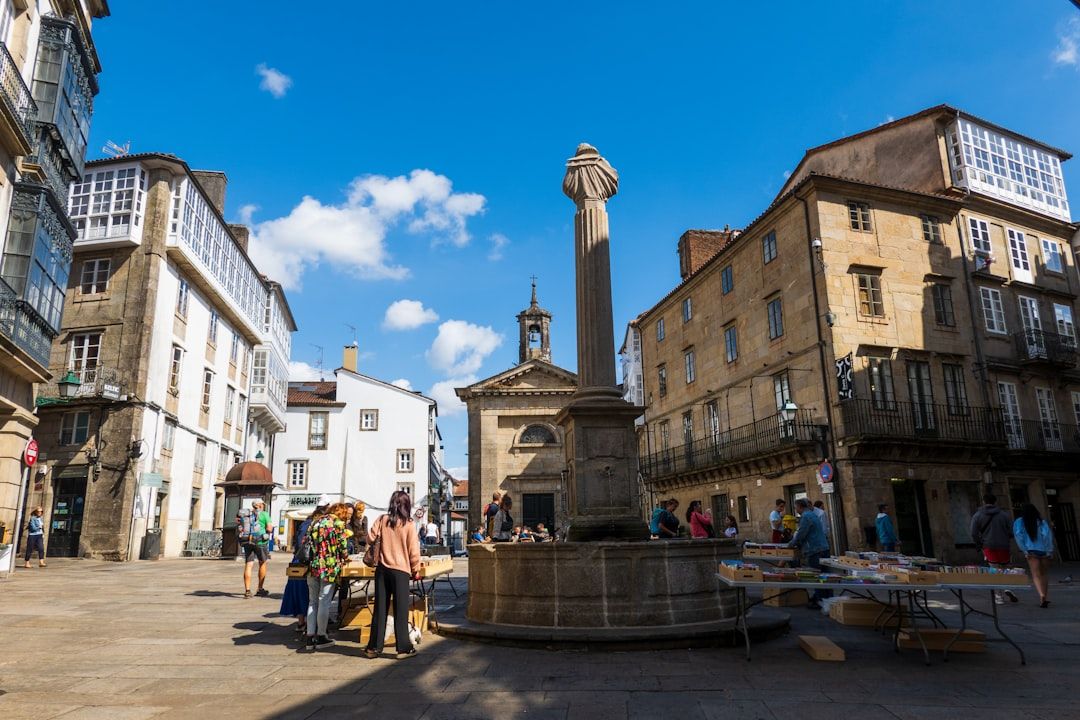
Photo by Patrick Chen on Unsplash
Santiago de Compostela on the Camino de Santiago: Guide
As you make your way along the Camino de Santiago, the anticipation builds as you approach your final destination: Santiago de Compostela. This historic city, known for its stunning architecture and deep-rooted significance, is the heart of the pilgrimage and a place where you can reflect on your journey. In this guide, I’ll walk you through everything you need to know about Santiago de Compostela, from what to see and do to where to eat and sleep.
The Cathedral and Old Town
At the heart of Santiago de Compostela lies the magnificent Cathedral of Santiago. This UNESCO World Heritage site is not just the final resting place of St. James, but also an architectural marvel worth exploring. The facade, adorned with intricate sculptures, is a sight to behold. Make sure to step inside to see the stunning interior, especially the famous Botafumeiro, a giant incense burner that swings through the nave during certain Masses.
Surrounding the cathedral is the charming old town, a labyrinth of narrow streets that invite you to wander. You’ll quickly find quaint shops selling souvenirs, local handicrafts, and artisanal foods. The vibrant atmosphere is enhanced by street performers and locals going about their daily lives. Don’t miss the chance to visit the Mercado de Abastos, where you can sample local delicacies and fresh produce.
Pilgrim Office and Celebrations
Once you arrive in the city, the first stop should be the Pilgrim Office, located just a short walk from the cathedral. Here, you can collect your Compostela, the certificate of completion for your pilgrimage. The staff is friendly and eager to help, often sharing stories and advice about the Camino.
If you’re lucky enough to be in Santiago for one of its many celebrations, you’re in for a treat! The Feast of St. James, celebrated on July 25th, is a particularly festive occasion, featuring processions, music, and traditional dances. The city comes alive with energy, and it’s a perfect time to immerse yourself in local culture.
What to See and Do
Aside from the cathedral, Santiago de Compostela offers a variety of attractions. The Museo do Pobo Galego (Galician Ethnographic Museum) provides insights into the region's rich cultural heritage. The City of Culture, a modern architectural complex, is another highlight, showcasing contemporary art and hosting various exhibitions.
👉 Saint-Jean-Pied-de-Port on the Camino de Santiago: Guide
For a quieter experience, take a leisurely stroll through the Parque de la Alameda for breathtaking views of the cathedral framed by the lush greenery. It’s a perfect spot to reflect on your journey and soak in the beauty of the city.
Where to Eat Local Specialties
No visit to Santiago de Compostela is complete without indulging in local cuisine. Be sure to try the famous pulpo a la gallega (Galician octopus), often served with potatoes and sprinkled with paprika. For a sweet treat, the tarta de Santiago, an almond cake dusted with powdered sugar and the cross of St. James, is a must-try.
There are plenty of restaurants and tapas bars to choose from, ranging from casual eateries to more upscale dining experiences. Don’t be afraid to explore the old town to find hidden gems where you can enjoy a cozy meal and perhaps strike up a conversation with fellow pilgrims.
Accommodation Options
When it comes to accommodation in Santiago de Compostela, you'll find a variety of options to suit different budgets. Albergues, or hostels, are popular among pilgrims and offer a chance to meet fellow travelers. They are usually basic but comfortable, providing essential amenities and a friendly atmosphere.
If you prefer more privacy or comfort, there are numerous hotels and guesthouses available. Some of these establishments are housed in historic buildings, adding a unique charm to your stay. Booking in advance is recommended, especially during peak pilgrimage seasons, to secure your spot at your preferred accommodation.
👉 Roncesvalles on the Camino de Santiago: Guide
Practical Tips
As you prepare for your time in Santiago de Compostela, keep a few practical tips in mind. Wear comfortable shoes, as you’ll likely be doing a fair amount of walking. Don’t forget to carry a refillable water bottle to stay hydrated while exploring the city.
If you plan to attend a Mass at the cathedral, check the schedule in advance, as service times can vary. Also, consider visiting the cathedral early in the morning or later in the evening to avoid the crowds and fully appreciate its beauty.
Getting There and Continuing Your Journey
Santiago de Compostela is well-connected by train and bus, making it easy to reach from other cities in Spain. If you’re looking to continue your journey, you can take the train to other destinations like A Coruña or travel further along the coast. Many pilgrims choose to explore the surrounding areas, such as the beautiful beaches of Finisterre, which is considered the “end of the world” in the past.
In conclusion, Santiago de Compostela is a rich tapestry of history, culture, and spirituality that marks the end of your Camino de Santiago adventure. From the awe-inspiring cathedral to the delightful local cuisine, every moment spent in this vibrant city is a chance to reflect on your journey and the experiences that brought you here.
If you’re planning your Camino and need assistance in organizing your itinerary, look no further than SenderoX. With Santiago, a personal assistant, you can create personalized itineraries tailored to your preferences, ensuring that your pilgrimage is as fulfilling and memorable as possible. Happy trails!
Your personalized itinerary in minutes
Choose your route, start and dates, and in a minute get your itinerary day by day: where to sleep, maps of each stage and a PDF. Free.
Start Planning