The Scallop Shell: Symbol of the Camino de Santiago
May 14, 2026 · 3 min read
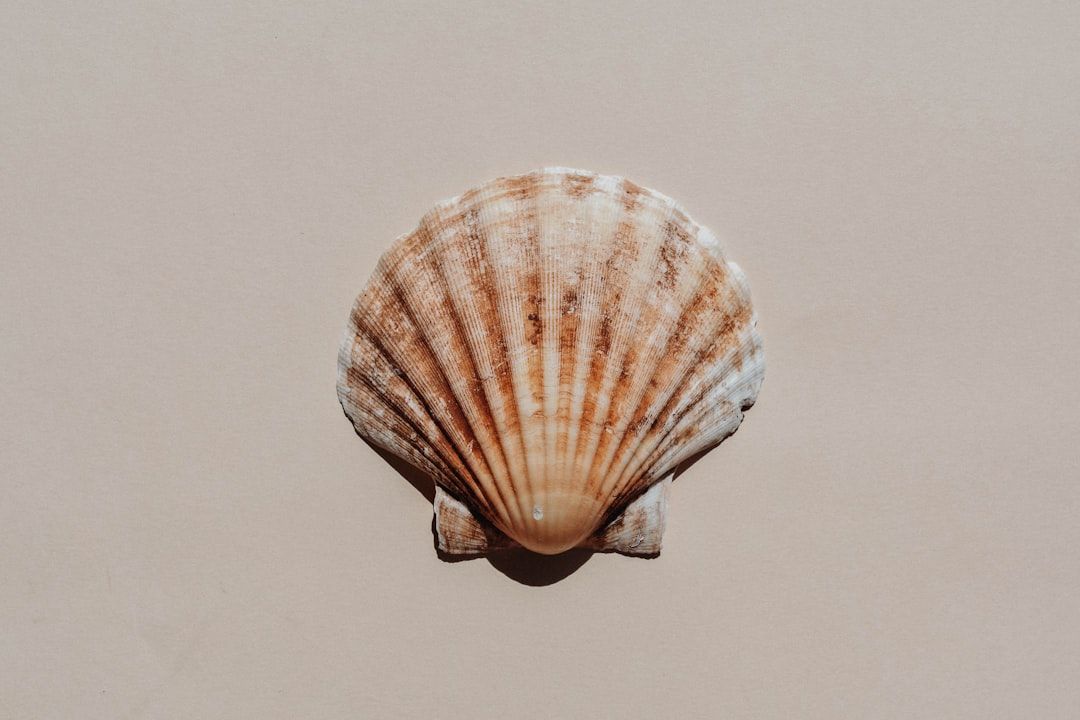
Photo by Content Pixie on Unsplash
The Scallop Shell: Symbol of the Camino de Santiago
If you ever find yourself walking the Camino de Santiago, you'll quickly notice a familiar symbol accompanying you on your journey—the scallop shell. Known as the concha de vieira in Spanish, this simple yet profound emblem has become synonymous with the pilgrimage, representing not just the route but also the experiences and transformations that every pilgrim undergoes.
Why the Scallop Shell?
The origins of the scallop shell as a symbol of the Camino trace back to medieval times. One of the most popular legends tells of a knight named Santiago who returned from a battle in the Middle East. Upon his return, he was covered in scallop shells, which served as a mark of honor and protection. The shells became associated with him, and soon, they were adopted by pilgrims as a symbol of their journey to honor Saint James. This story reflects the idea that the scallop shell serves as a guide for those who walk the Camino, leading them toward their spiritual destination.
Practical Uses of the Shell
Beyond its symbolic meaning, the scallop shell has also been a practical tool for pilgrims over the centuries. Traditionally, pilgrims would use the shell as a cup or a plate. It was handy for drinking water from streams or eating small portions of food. This multifunctionality made the shell an essential item for those embarking on the long trek. Even today, many pilgrims carry a shell for its historical significance, and it serves as a reminder of the simple yet profound nature of the pilgrimage.
👉 History of the Camino de Santiago: From Medieval Times to Today
Wearing the Scallop Shell on Your Backpack
As you prepare for your own Camino adventure, you might wonder how to wear the scallop shell. The most common way is to attach it to your backpack. Not only does this allow you to carry a piece of tradition with you, but it also acts as a conversation starter with fellow pilgrims. When you see someone with a shell, you instantly share a bond, regardless of where you are on your journey. It’s a symbol of community, reminding everyone that they are part of something bigger than themselves.
Buying Your Scallop Shell
If you’re thinking of getting your own scallop shell, you will find them available at various shops along the Camino, especially in towns like Santiago de Compostela. They come in different sizes and materials, from simple wooden designs to more intricate metal versions. Many pilgrims choose to buy their scallop shell at the beginning of their journey, allowing it to collect stories and memories as they walk. This shell becomes a cherished keepsake, often displayed at home to commemorate the adventure and the spirit of the Camino.
The Yellow Arrow and Other Camino Symbols
While the scallop shell is a prominent symbol of the Camino, it’s worth noting that you’ll encounter other important markers along the way. The yellow arrow, painted on walls, trees, and stones, serves as your guiding light. It directs you along the path and reassures you that you’re heading in the right direction. Alongside the scallop shell and yellow arrows, you may also see other symbols like the Camino cross or the various waymarkers that tell stories of pilgrims who walked before you.
👉 After the Camino: Dealing with Post-Camino Blues
In conclusion, the scallop shell is more than just a symbol; it is a representation of the rich history, community, and personal journeys that define the Camino de Santiago. Whether you carry it to honor your pilgrimage or to connect with fellow travelers, the shell holds a place in the hearts of all who walk the Camino.
If you're planning your Camino and want to make it a truly personal experience, consider reaching out to SenderoX. With Santiago, their personal assistant, you can create customized itineraries tailored to your needs, ensuring that your pilgrimage is as meaningful and memorable as possible. Embrace the journey, and may your scallop shell be a constant reminder of the adventures that await you on the Camino.
Your personalized itinerary in minutes
Choose your route, start and dates, and in a minute get your itinerary day by day: where to sleep, maps of each stage and a PDF. Free.
Start Planning