Stage Astorga a Foncebadon: Complete Camino Guide
September 02, 2026 · 4 min read
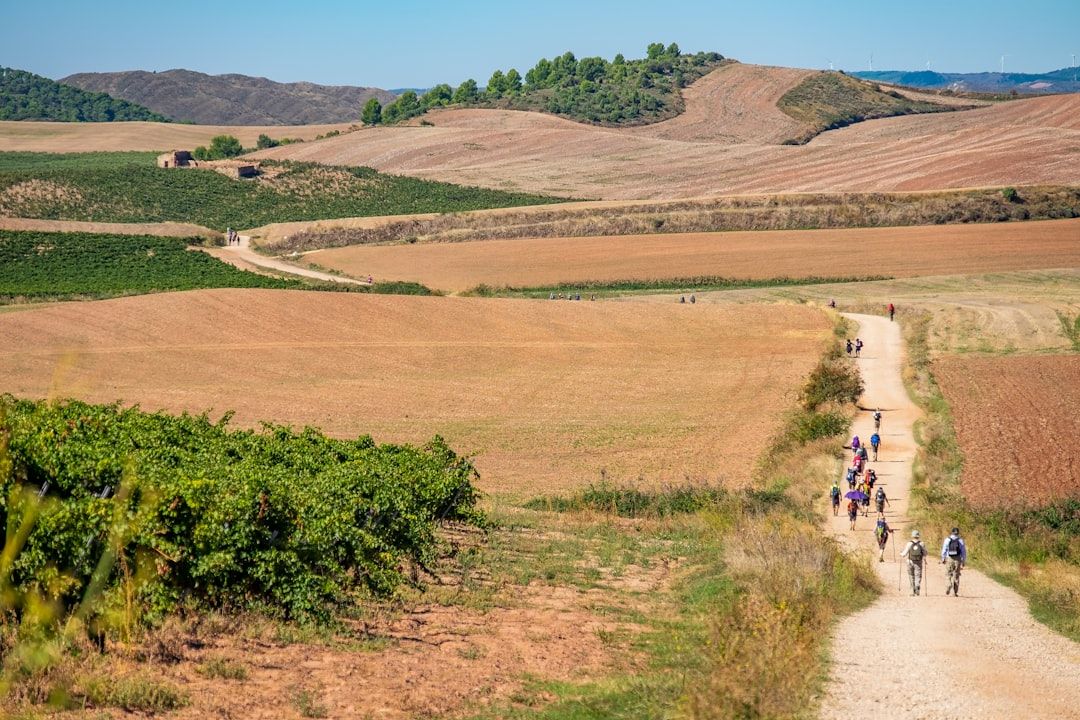
Photo by Burkard Meyendriesch on Unsplash
Stage Astorga to Foncebadon: Complete Camino Guide
As you embark on your journey along the Camino de Santiago, the stage from Astorga to Foncebadon is one that stands out for its stunning landscapes and rich history. This section of the Camino is not only a physical challenge but an emotional one, as you climb towards the iconic Cruz de Ferro. Whether you're a seasoned pilgrim or a first-timer, this guide will help you navigate the intricacies of this beautiful stage.
Distance and Elevation Profile
The distance from Astorga to Foncebadon is approximately 25 kilometers. This stage is known for its elevation changes, as you will start in the relatively low-lying town of Astorga and climb steadily towards Foncebadon, which sits at around 1,450 meters above sea level. The elevation gain is significant, so be prepared for a workout. You can expect to ascend roughly 600 meters throughout the day. The climb can be strenuous, especially in the latter half of the stage, but the breathtaking views make every step worth it.
Terrain and Difficulty
The terrain on this stage varies, offering a mix of paved paths, dirt roads, and rocky trails. The first part of the trek is relatively gentle, allowing you to ease into the day. However, as you progress and approach Foncebadon, the path becomes steeper and more rugged. The difficulty level can be classified as moderate to challenging due to these elevation changes, so it's essential to pace yourself and stay hydrated.
Key Landmarks
As you make your way along the stage, several landmarks will capture your attention. One of the first stops is the charming village of Santa Catalina, where you can take a moment to enjoy the local atmosphere. Keep an eye out for the traditional maragato houses, characterized by their unique architecture and stone facades.
The highlight of this stage is undoubtedly Cruz de Ferro, a significant pilgrimage marker where many pilgrims leave behind stones that represent burdens they wish to shed. This spot is steeped in history and spirituality, making it a poignant moment in your journey. Take your time here to reflect and soak in the beauty surrounding you.
👉 Stage SJPP a Roncesvalles: Complete Camino Guide
Accommodation and Food Stops
Both Astorga and Foncebadon offer various accommodation options for pilgrims. In Astorga, you can find albergues, hotels, and guesthouses to suit your budget. If you’re looking for a cozy place, the Albergue San Javier is a popular choice among pilgrims.
Upon reaching Foncebadon, you will find a handful of albergues as well, with the Albergue de Foncebadon being a notable option. It’s wise to book in advance, especially during the peak pilgrimage season, as this stage is popular.
When it comes to food, you’ll find several opportunities to refuel along the way. There are cafes and bars in Astorga, where you can enjoy a hearty breakfast. On the route, you'll have a chance to stop at local establishments for a light lunch or snacks, though options may be more limited as you get closer to Foncebadon. Be sure to pack some snacks and plenty of water, as the climb can be quite demanding.
Best Time to Start
Starting your day early is always a good idea on the Camino, especially for this stage. Aim to leave Astorga around sunrise, which will not only give you cooler temperatures but also allow you to enjoy the stunning dawn light illuminating the landscape. The best months for this stage are from late spring to early autumn, when the weather is generally mild and the trails are more manageable.
👉 Stage Roncesvalles a Zubiri: Complete Camino Guide
Tips for the Journey
Here are a few tips to help you make the most of your trek from Astorga to Foncebadon. First, listen to your body and take breaks as needed, especially during the steeper sections. Don’t rush; the beauty of the Camino lies in the journey, not just the destination. Bring layers, as temperatures can vary significantly throughout the day, and pack essentials like sunscreen and a hat for sun protection.
Another important tip is to connect with fellow pilgrims along the way. The Camino is as much about community and shared experiences as it is about personal reflection. You’ll find that sharing a few words with others can uplift your spirits and make the climb feel less daunting.
In conclusion, the stage from Astorga to Foncebadon is a beautiful and challenging part of the Camino de Santiago. The combination of stunning scenery, rich history, and opportunities for reflection at Cruz de Ferro makes it a memorable journey. If you're planning your Camino, consider reaching out to SenderoX, where Santiago, a personal assistant, can help you create a personalized itinerary tailored to your needs and preferences. Happy trekking!
Your personalized itinerary in minutes
Choose your route, start and dates, and in a minute get your itinerary day by day: where to sleep, maps of each stage and a PDF. Free.
Start Planning