Stage Santiago a Finisterre: Complete Camino Guide
September 15, 2026 · 4 min read
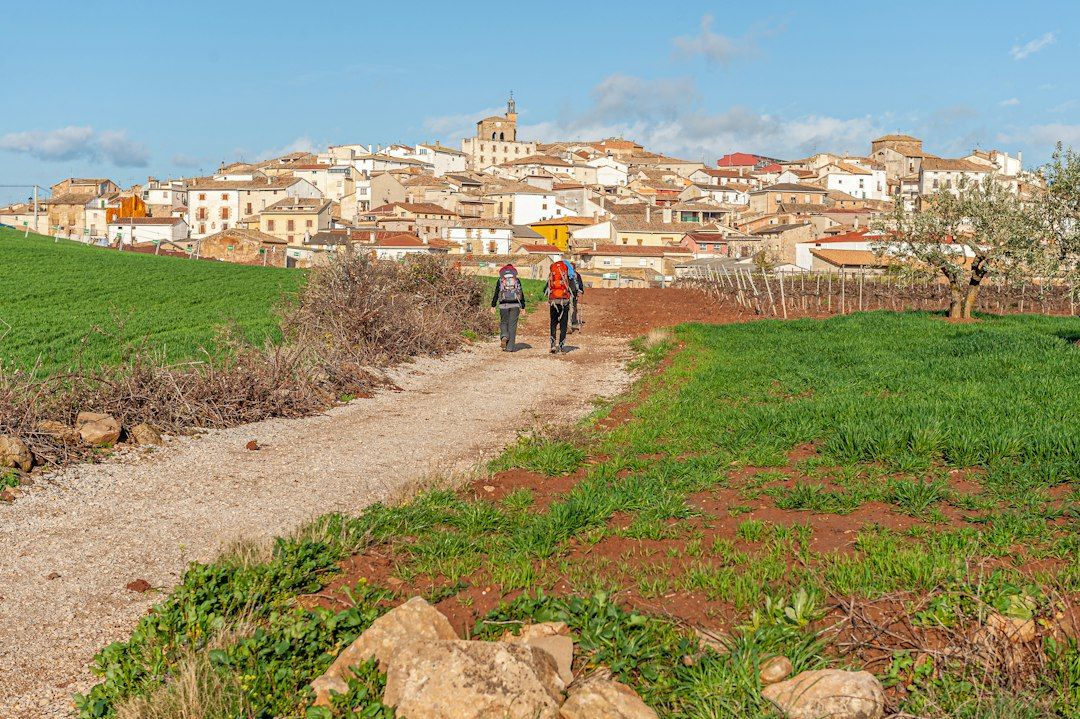
Photo by Burkard Meyendriesch on Unsplash
Stage Santiago a Finisterre: Complete Camino Guide
If you’ve made it to Santiago, you’ve already accomplished a remarkable feat on the Camino de Santiago. But let me tell you, there’s one more gem waiting for you—the stage Santiago a Finisterre. This extension takes you to the "End of the World," a breathtaking journey along the Atlantic coast that is absolutely worth every step. In this guide, I'll walk you through everything you need to know about this beautiful stage, from the distance and difficulty to key landmarks and tips to enhance your experience.
Distance and Elevation Profile
The stage Santiago a Finisterre camino covers approximately 88 kilometers, which you can break down into manageable segments. The most common approach is to tackle it over four days, averaging about 22 kilometers per day. The terrain is varied, with a mix of flat stretches, gentle hills, and some steeper ascents. As you leave Santiago, you’ll gradually make your way towards the coast, with the final approach to Finisterre offering some stunning views of the Atlantic Ocean.
The elevation profile is relatively moderate, but be prepared for some ups and downs along the way. The highest point is around 600 meters above sea level, giving you a chance to enjoy some panoramic views as you walk. While it’s not the most challenging route on the Camino, having a decent level of fitness will certainly make your journey more enjoyable.
Difficulty
In terms of difficulty, I’d rate the stage Santiago a Finisterre camino as moderate. The terrain is generally well-marked and maintained, but you should be ready for some stretches that may test your endurance. As always, listen to your body and pace yourself. Don’t rush; take the time to soak in the beauty around you. Remember, this is not just a walk; it’s a pilgrimage.
Key Landmarks
As you embark on this journey, you’ll encounter several key landmarks that make this stage even more special. One of the first notable stops is the town of Negreira, where you can find medieval bridges and the remains of an ancient castle. It’s a perfect place to pause for a coffee and reflect on your journey so far.
Continuing on, you’ll pass through the charming village of Olveiroa, well-known for its hospitality and great food. This is a fantastic spot for lunch; you can savor local dishes and recharge for the next leg of your walk.
👉 Stage SJPP a Roncesvalles: Complete Camino Guide
As you draw closer to Finisterre, make sure to visit the iconic lighthouse. Known as the "Fisterra" lighthouse, it stands at the edge of the world, offering breathtaking views of the Atlantic Ocean. Watching the sunset from this vantage point is a magical experience that you won’t want to miss.
Accommodation at Start and End
When it comes to accommodation, you’ll find plenty of options both in Santiago and Finisterre. In Santiago, you can choose from hotels, hostels, or albergues catering to pilgrims. It’s advisable to book ahead, especially during peak seasons.
As for Finisterre, there are several albergues, hotels, and guesthouses to suit various budgets. It’s a popular destination, so securing your stay in advance is a wise choice to ensure you have a comfortable place to rest after your journey.
Water and Food Stops
Staying hydrated and well-fed is crucial on any Camino stage, and Santiago a Finisterre is no exception. Along the route, you’ll find numerous bars and cafes where you can replenish your energy. Keep an eye out for local restaurants, especially in Negreira and Olveiroa, where you can enjoy hearty meals made from fresh regional ingredients. Don't forget to pack some snacks for the longer stretches between towns, especially if you’re walking during the quieter off-peak times.
Terrain Type
The terrain on this stage is a mix of dirt paths, paved roads, and some cobblestone streets. As you approach the coast, you’ll enjoy scenic coastal paths with stunning views. Be prepared for a variety of surfaces, and good walking shoes are essential. Walking poles can also provide extra support, especially on the steeper sections.
👉 Stage Roncesvalles a Zubiri: Complete Camino Guide
Best Time to Start
The best time to walk the stage Santiago a Finisterre camino is during the spring and early autumn months, typically from March to June and September to October. The weather during these times is generally mild, making your walk more pleasant. Avoiding the summer months can help you steer clear of the crowds and the heat.
Tips for Pilgrims
Here are some tips to enhance your journey on this beautiful stage. First and foremost, take your time and enjoy the scenery. The views along the coast are incredible, and it’s easy to get caught up in the rush to finish. Secondly, engage with fellow pilgrims along the way. Sharing stories and experiences can enrich your journey and create lasting friendships. Lastly, don’t forget to collect your Compostela upon reaching Finisterre; it’s a wonderful way to commemorate your journey.
In conclusion, the stage Santiago a Finisterre camino is a remarkable extension that offers stunning landscapes, a rich cultural experience, and a sense of accomplishment as you reach the "End of the World." Whether you’re seeking solitude, adventure, or simply a deeper connection with the Camino, this stage has something for everyone.
If you’re planning your Camino, consider reaching out to SenderoX. They offer personalized itineraries with Santiago, your own personal assistant, to help you create the perfect plan for your pilgrimage. Happy walking, amigo!
Your personalized itinerary in minutes
Choose your route, start and dates, and in a minute get your itinerary day by day: where to sleep, maps of each stage and a PDF. Free.
Start Planning