Stage Zarautz a Deba: Complete Camino Guide
September 18, 2026 · 5 min read
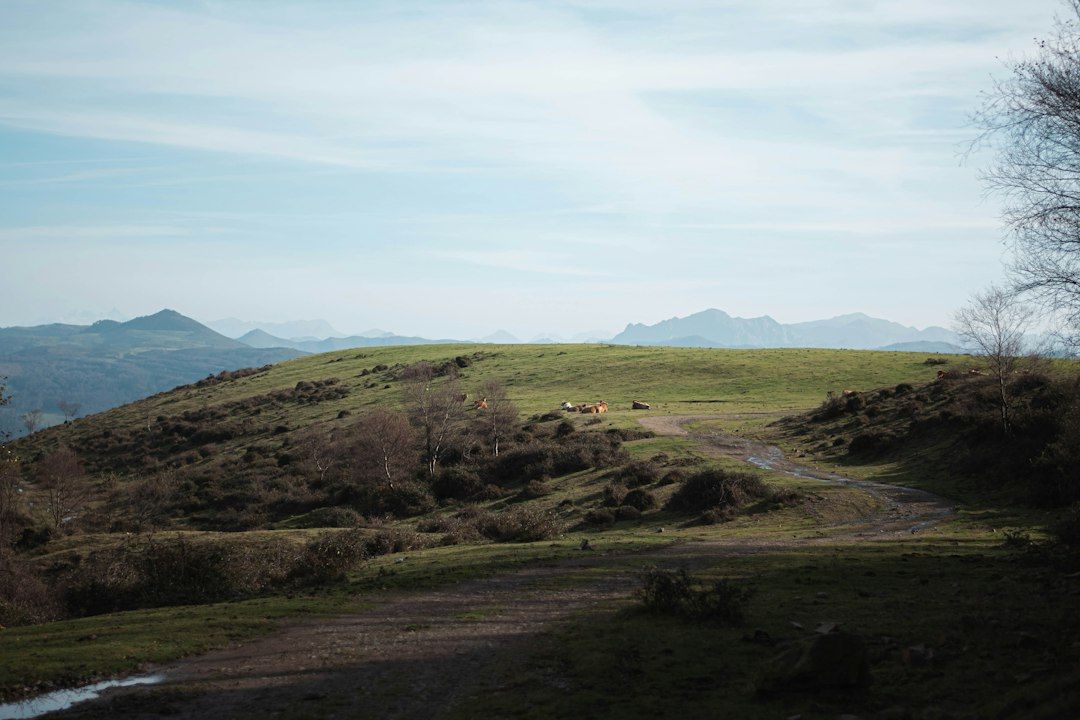
Photo by Yuliia Martynovych on Unsplash
Stage Zarautz a Deba: Complete Camino Guide
Ah, the stage Zarautz a Deba, a delightful leg of the Camino del Norte that will leave you with unforgettable memories and a sense of accomplishment. This stretch showcases the stunning beauty of the Basque coastline, featuring dramatic flysch geological formations and steep coastal ups and downs. Whether you're a seasoned pilgrim or embarking on your first Camino, this guide will help you navigate this beautiful stage with ease.
Distance and Elevation Profile
The stage Zarautz a Deba covers approximately 21 kilometers, making it a manageable yet rewarding trek for most pilgrims. As you set out from Zarautz, you'll quickly find yourself climbing and descending along the rugged coastline. The elevation gain is around 700 meters, so be prepared for some steep climbs and descents. It's essential to pace yourself and take breaks to enjoy the breathtaking views of the Atlantic Ocean and the surrounding landscape.
Difficulty Level
This stage is considered moderately difficult due to its undulating terrain. While the paths are well-marked, the steep sections can be challenging, especially if you're carrying a heavy backpack. However, the stunning scenery and the sense of accomplishment you'll feel from reaching Deba make it all worthwhile. If you're well-prepared and in good physical shape, you'll find this stage to be an invigorating experience.
Key Landmarks and Points of Interest
As you walk from Zarautz to Deba, you'll encounter several landmarks worth noting. One of the first highlights is the beach at Zarautz, known for its long stretch of golden sand and vibrant atmosphere. Be sure to take a moment to dip your toes in the water before you begin your journey.
As you follow the coastline, you'll marvel at the impressive flysch formations, which are layers of sedimentary rock that have been eroded by the sea over millions of years. These geological wonders create dramatic cliffs and stunning vistas that make this stage truly special. Keep an eye out for the charming fishing villages along the way, such as Getaria, where you can take a break and try some local seafood.
The historic church of San Salvador in Getaria is also worth a visit. This beautiful structure dates back to the 14th century and offers a glimpse into the region's rich history. The views from the church, overlooking the coast and the village, are simply breathtaking.
👉 Stage SJPP a Roncesvalles: Complete Camino Guide
Accommodation Options
When it comes to accommodation, both Zarautz and Deba offer a range of options to suit various budgets. In Zarautz, you'll find hotels, hostels, and albergues that cater specifically to pilgrims. It's wise to book ahead during the peak season, as this popular stage can fill up quickly.
Upon arriving in Deba, you'll also find several places to stay, including albergues and guesthouses. If you're looking for a more local experience, consider staying in a cozy pension or bed and breakfast. Each option provides a chance to rest and recharge for the next day's journey.
Water and Food Stops
Staying hydrated and nourished is essential during your trek. In Zarautz, you’ll find plenty of cafes and restaurants to grab a hearty breakfast or pack a lunch for the road. As you walk towards Deba, there are several bars and eateries along the way, particularly in Getaria, where you can stop for a refreshing drink and some traditional Basque pintxos.
Be sure to carry enough water with you, especially during the warmer months, as some stretches may not have immediate access to drinking water. A refill at a local café can also be a great excuse to take a break and chat with fellow pilgrims.
Terrain Type
The terrain on this stage is primarily coastal paths, with a mix of dirt trails, rocky paths, and some paved sections through towns. The trail is well-marked with yellow arrows, making it easy to follow. However, be cautious on the steeper sections, especially if the weather is wet or windy. Good hiking shoes with proper grip are essential for navigating the rocky paths and ensuring your safety.
👉 Stage Roncesvalles a Zubiri: Complete Camino Guide
Best Time to Start
The best time to start your trek is early in the morning, ideally around sunrise. This allows you to enjoy cooler temperatures and fewer crowds along the way. Starting early also gives you ample time to soak in the views and take breaks without feeling rushed. The Basque Country can get quite warm during the summer months, so be mindful of the heat if you’re walking later in the day.
Tips for the Stage Zarautz a Deba
As you prepare for this stage, keep a few tips in mind. Start with a good breakfast in Zarautz to fuel your journey. Pace yourself on the climbs and descents, taking breaks when needed to enjoy the scenery and hydrate. Don't forget your camera—there will be plenty of photo opportunities along the way.
Lastly, embrace the spirit of the Camino. Take the time to connect with fellow pilgrims and share stories and experiences. This camaraderie is what makes the Camino so special and rewarding.
In conclusion, the stage Zarautz a Deba is a beautiful blend of nature, culture, and history. With its stunning landscapes and charming villages, it's a highlight of the Camino del Norte. If you're planning your Camino and need assistance with your itinerary, consider reaching out to SenderoX. They can help you create a personalized plan with Santiago, a personal assistant dedicated to making your pilgrimage experience as smooth and enjoyable as possible. Happy walking!
Your personalized itinerary in minutes
Choose your route, start and dates, and in a minute get your itinerary day by day: where to sleep, maps of each stage and a PDF. Free.
Start Planning