Vegetarian and Vegan Camino de Santiago Guide
May 21, 2026 · 4 min read
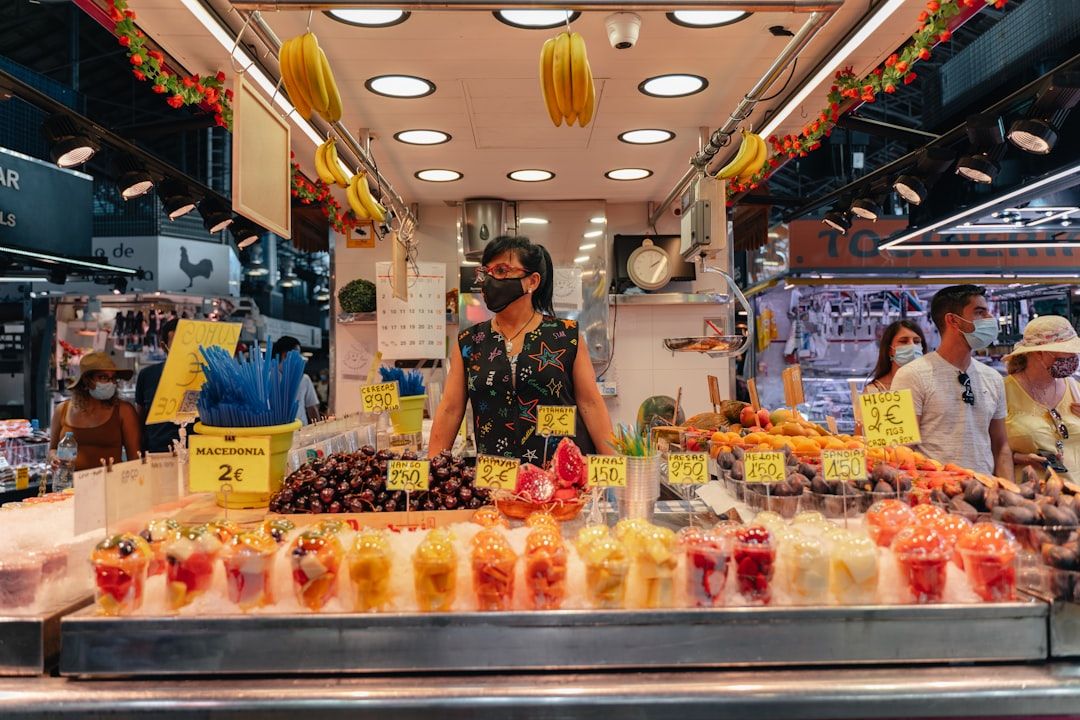
Photo by real_ jansen on Unsplash
Vegetarian and Vegan Camino de Santiago Guide
Embarking on the Camino de Santiago is a journey of a lifetime, and for those of us who follow a vegetarian or vegan diet, it can present some unique challenges. But fear not! With a bit of preparation and an open mind, you can nourish yourself along the way without compromising your values or health. Let’s dive into the ins and outs of navigating the Camino as a vegetarian or vegan pilgrim.
Challenges of a Vegetarian Camino de Santiago
One of the first things you may notice when dining in Spain is that the traditional pilgrim menus tend to be meat-heavy. Dishes like chorizo, jamón, and various forms of seafood are often front and center. It can feel daunting when you’re used to a plant-based diet, but understanding the culinary landscape will help you adapt.
In smaller towns, options might be limited, and language barriers can make ordering a bit tricky. Additionally, albergues—where many pilgrims stay—often provide pre-set meals that may not cater to vegetarians or vegans. However, with some creativity and communication, you can still enjoy delicious meals that align with your dietary preferences.
Solutions for Vegetarian and Vegan Pilgrims
First and foremost, don’t hesitate to ask for modifications to your meals. Most restaurants are accommodating and can adjust dishes to exclude meat. One of my go-to meals when I find myself in a pinch is the classic Spanish tortilla, a thick potato omelet that can often be made without any meat products. A simple ensalada (salad) can also be a refreshing option, especially on warm days.
Another fantastic choice is bocadillos, which are Spanish sandwiches. You can fill them with fresh vegetables, cheese, or even avocado if you’re lucky to find it. Many towns have small shops where you can grab a bocadillo to go, making it easy to eat on the trail.
👉 WiFi and Connectivity on the Camino de Santiago
If you're staying in albergues, consider self-cooking. Many have communal kitchens where you can prepare your meals. Stock up on fresh produce, grains, and legumes from local supermarkets or farmers’ markets. Cooking for yourself not only ensures you get what you need but can also be a fun way to connect with fellow pilgrims.
In larger cities along the Camino, you’ll find an increasing number of vegan-friendly restaurants. Places in Santiago de Compostela, León, and Pamplona often have menus tailored specifically for plant-based eaters. A quick online search or a look at local apps can help you find these gems.
Key Spanish Phrases for Vegetarians and Vegans
Navigating menus in Spanish can be tricky, so having some key phrases at your disposal can make a world of difference. Here are a few to memorize:
- Soy vegetariano/a (I am vegetarian)
- Soy vegano/a (I am vegan)
- No como carne (I don’t eat meat)
- ¿Tiene opciones vegetarianas/veganas? (Do you have vegetarian/vegan options?)
- Sin leche, por favor (Without milk, please)
- Sin huevos, por favor (Without eggs, please)
These phrases will help you communicate your needs more clearly and show restaurant staff that you appreciate their efforts to accommodate you.
👉 Camino de Santiago Safety: Practical Tips
Getting Enough Protein on the Camino
One common concern for vegetarian and vegan pilgrims is getting enough protein, especially when you're walking long distances daily. Luckily, Spain has a variety of plant-based protein sources. Legumes such as lentils and chickpeas are excellent choices and can often be found in stews or salads. Nuts and seeds can be great snacks to carry along for an energy boost.
Soy products like tofu or tempeh are less common in rural areas but may be available in larger cities. If you’re self-cooking, consider packing a small supply of protein powder to mix into smoothies or oatmeal for an additional protein boost.
Remember to listen to your body and eat a well-rounded diet. Whole grains, fruits, and vegetables will keep your energy levels up, making your Camino experience enjoyable.
In conclusion, a vegetarian or vegan diet on the Camino de Santiago is entirely manageable with a bit of planning and flexibility. Embrace the journey, explore local foods, and enjoy the camaraderie of fellow pilgrims. If you’re looking for personalized assistance in planning your Camino, consider reaching out to SenderoX. With Santiago, a personal assistant, you can create a tailor-made itinerary that suits your needs, ensuring your pilgrimage is as fulfilling as it is delicious. Safe travels, and buen camino!
Your personalized itinerary in minutes
Choose your route, start and dates, and in a minute get your itinerary day by day: where to sleep, maps of each stage and a PDF. Free.
Start Planning