Via de la Plata: Complete Guide from Seville to Santiago
March 02, 2026 · 5 min read
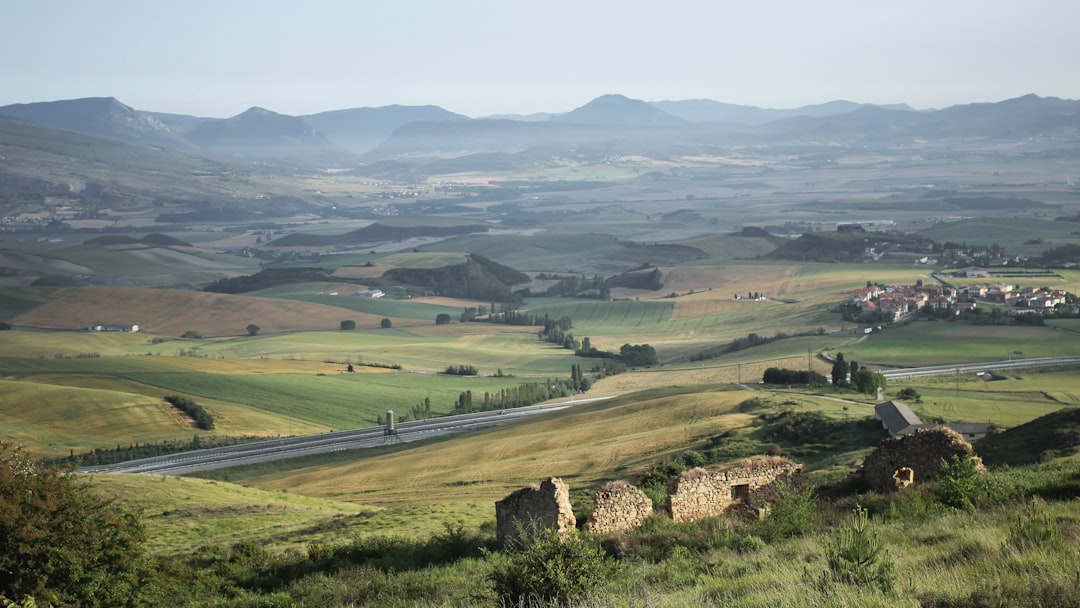
Photo by Damien Dufour on Unsplash
Via de la Plata: Complete Guide from Seville to Santiago
If you’re considering the Via de la Plata for your pilgrimage to Santiago, you’re in for a unique and rewarding experience. Stretching approximately 1,000 kilometers from Seville in the south to Santiago de Compostela in the northwest, this ancient Roman road not only offers a physical challenge but also an opportunity to immerse yourself in the rich history and culture of Spain. In this complete guide, I’ll share everything you need to know about the Via de la Plata, from its stunning landscapes to practical tips for making the most of your journey.
The Journey Begins: Seville to Santiago
The Via de la Plata is one of the longest routes to Santiago de Compostela, and it’s not for the faint of heart. While many pilgrims flock to the more popular Camino Francés, the Via de la Plata offers a different kind of experience, one that is marked by solitude and authenticity. The journey begins in Seville, a vibrant city known for its flamenco, tapas, and stunning architecture. As you leave the city behind, you’ll quickly transition from urban landscapes to the vast plains of Extremadura.
This region is often overlooked by travelers, yet it is rich in history and natural beauty. You’ll pass through charming villages, ancient ruins, and pastoral scenes that evoke a sense of timelessness. The further you walk, the more you’ll appreciate the serenity of the trail, especially when compared to the busier routes.
Heat Challenges in Summer
One of the most significant challenges you’ll face on the Via de la Plata is the heat, especially during the summer months. With temperatures often soaring above 35 degrees Celsius (95 degrees Fahrenheit), it’s crucial to plan your stages wisely. Early mornings are your best friend; starting your walk at dawn will allow you to cover a good distance before the heat becomes unbearable. Always carry plenty of water, wear breathable clothing, and don’t hesitate to take breaks in the shade whenever possible.
If you’re not accustomed to walking long distances in high temperatures, I would recommend tackling this route in either spring or autumn. During these seasons, the weather is more temperate, allowing for a more enjoyable experience as you traverse this ancient path.
Experiencing Extremadura and Castilla
As you make your way through Extremadura and into Castilla y León, you’ll encounter a landscape that is both beautiful and varied. Extremadura is known for its rugged terrain and wide-open spaces, dotted with historic towns like Mérida, which boasts a well-preserved Roman theater and aqueduct. The region has a sense of authenticity that can be hard to find in more touristy areas.
👉 Which Camino de Santiago Route Should You Choose?
Once you cross into Castilla, the landscape shifts again. Here, you’ll find rolling hills, vast fields, and an abundance of charming medieval villages. Each town along the way has its own unique character, so take the time to explore and connect with the locals. They can often provide insights into the history of the area and maybe even a few tips on the best places to eat or rest.
Galicia: A Pilgrim’s Paradise
As you approach the end of your journey, you’ll enter Galicia, a region known for its lush green landscapes and stunning coastal views. The final stretch to Santiago is particularly special, as the excitement builds with every step. The towns of Ourense and Lugo are excellent places to rest and recharge, and don’t miss the opportunity to sample some of Galicia’s famed seafood.
Arriving in Santiago de Compostela is a moment you’ll never forget. The awe-inspiring cathedral, where the remains of St. James are said to be buried, serves as a fitting conclusion to your pilgrimage. Here, you can reflect on your journey, share stories with fellow pilgrims, and soak in the vibrant atmosphere of this historic city.
Sparse Infrastructure: Be Prepared
One thing to keep in mind while planning your Via de la Plata journey is that the infrastructure can be sparse. Unlike the Camino Francés, which is well-serviced, the Via de la Plata has fewer albergues and accommodations along the route. It’s essential to plan your stages carefully and sometimes even book your lodgings in advance to ensure you have a place to rest each night.
Carrying a lightweight backpack will make your journey more manageable, and packing only the essentials is key. Consider investing in good-quality hiking gear and a reliable pair of walking shoes, as you’ll be putting them to the test over the long distances ahead.
👉 Camino del Norte: Guide to the Coastal Route
Best Time to Walk the Via de la Plata
As mentioned earlier, the best times to walk the Via de la Plata are during the spring and autumn months. In spring, you’ll be greeted by blooming wildflowers and mild temperatures, while autumn offers a stunning display of fall colors. Both seasons provide the perfect backdrop for reflection and connection with nature as you walk.
The route can be less crowded during these times, allowing for a more intimate experience with the trail and fellow pilgrims. This solitude is part of what makes the Via de la Plata so special; it gives you the space to reflect on your journey and the time to connect with the rhythm of the land.
Planning Your Camino with SenderoX
If you’re feeling overwhelmed by the thought of planning your Camino on the Via de la Plata, don’t worry! At SenderoX, you can have Santiago, a personal assistant, create personalized itineraries tailored just for you. Whether you’re looking for accommodations, stage planning, or tips on what to see along the way, Santiago can help you craft a journey that meets your desires and needs.
Embarking on the Via de la Plata is a journey that will stay with you long after you’ve returned home. With the right preparation and mindset, you can set out on this incredible pilgrimage and experience the beauty and authenticity of Spain in a way that few others will. Happy walking!
Your personalized itinerary in minutes
Chat with Santiago, our personal assistant, and get a tailored itinerary with handpicked hotels, direct contacts, and everything you need for your dates.