Zamora on the Camino de Santiago: Guide
August 07, 2026 · 5 min read
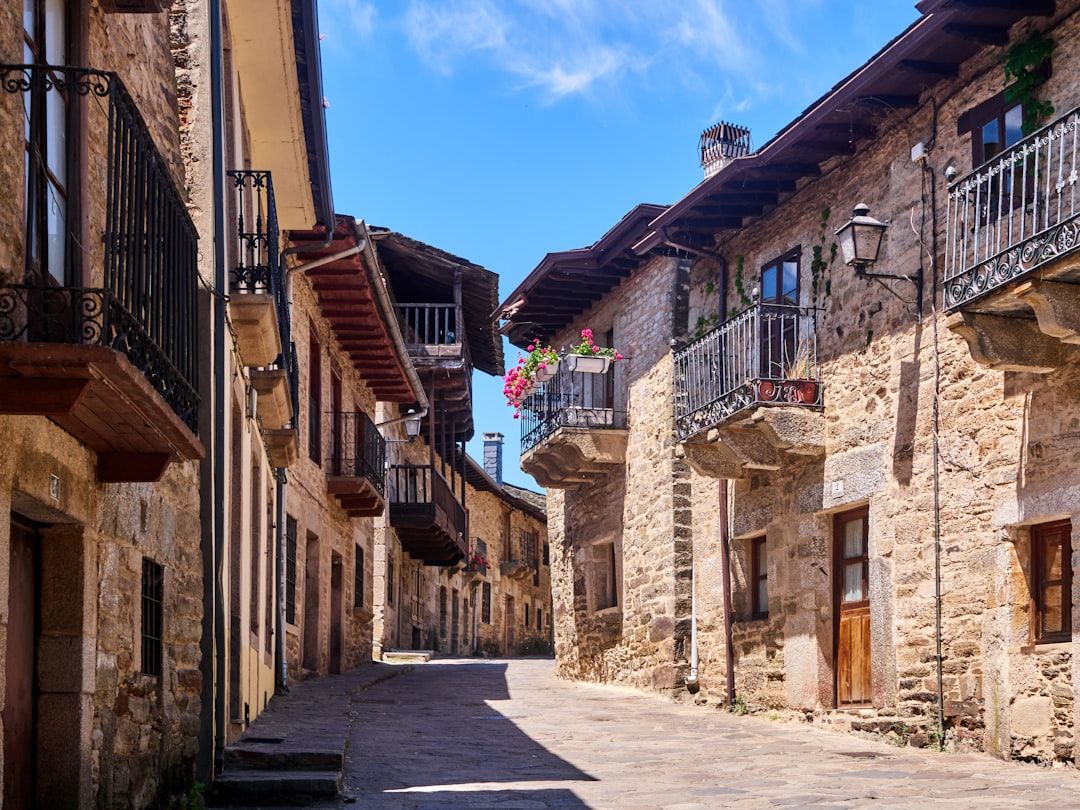
Photo by Juan Gomez on Unsplash
Zamora on the Camino de Santiago: Guide
As you journey along the Camino de Santiago, you will discover many hidden gems along the way. One such treasure is Zamora, a city that often flies under the radar but is well worth a stop. Known as the capital of Romanesque churches, Zamora has a rich history, stunning architecture, and a peaceful atmosphere that makes it an ideal place for pilgrims to rest and recharge.
Exploring the Historical Charm of Zamora
Zamora is steeped in history, and its roots date back to the Roman Empire. As you wander through the cobbled streets, you can’t help but admire the impressive Romanesque architecture that fills the city. With over twenty churches, Zamora is indeed a haven for architecture enthusiasts. The Cathedral of Zamora, with its striking dome and intricate design, is a must-visit. Don't miss the nearby Church of San Ildefonso and the Church of Santa María la Nueva, both excellent examples of the city's architectural heritage.
Perhaps one of the most enchanting aspects of Zamora is its well-preserved medieval quarter. As you stroll through the narrow alleyways, you’ll encounter charming plazas and historical landmarks that tell the story of the city’s past. The Castle of Zamora, perched on a hill, offers panoramic views of the Duero River and the surrounding landscape. This is a perfect spot for a moment of reflection before continuing your pilgrimage.
What to See and Do in Zamora
Aside from its architectural wonders, Zamora offers plenty of activities to keep pilgrims entertained. The Duero River runs through the city, providing a lovely backdrop for a leisurely walk or a peaceful moment by the water. Take a break at one of the riverside parks, where you can enjoy the natural beauty and perhaps indulge in a few moments of meditation or journaling.
If you find yourself in Zamora during Easter, you are in for a treat. The city is famous for its Semana Santa (Holy Week) celebrations, which are among the most revered in Spain. The processions are a stunning display of religious devotion and tradition, drawing visitors from far and wide. Even if you’re not there during this time, the rich cultural heritage is evident throughout the year.
For those interested in art, the Museo de Zamora houses an impressive collection of religious art, as well as artifacts from the region's history. It’s a great way to delve deeper into the local culture and understand the significance of the area along your Camino.
👉 Saint-Jean-Pied-de-Port on the Camino de Santiago: Guide
Where to Eat Local Specialties
When it comes to dining in Zamora, you can’t go wrong with the local cuisine. The city is known for its rich flavors and hearty dishes, often featuring locally sourced ingredients. Be sure to try the famous Zamoran cheese, which pairs beautifully with local wines. Visiting a traditional tavern can give you a taste of local life while enjoying dishes like ‘arroz a la zamorana’ (Zamora-style rice) or ‘ternera de Aliste’ (beef from the Aliste region).
There are plenty of cafés and restaurants scattered throughout the city, offering everything from tapas to full meals. A cozy spot you might want to check out is La Taberna del Mercado, known for its welcoming atmosphere and delicious local fare. Don’t forget to indulge in a glass of Zamora red wine, which is perfect for unwinding after a long day on the Camino.
Accommodation Options
Zamora offers a range of accommodation options suitable for pilgrims. Albergues can be found in the city, providing affordable and communal lodging for those walking the Camino. Albergue La Casa de los Abuelos is a popular choice among walkers, known for its friendly atmosphere and comfortable amenities.
If you prefer a bit more privacy, there are also several hotels and guesthouses that cater to various budgets. Hotel Zenit dos Infantas is a well-regarded option, offering modern comforts in a central location. No matter where you choose to stay, you’ll find that the hospitality in Zamora is warm and welcoming, making your rest days all the more enjoyable.
👉 Roncesvalles on the Camino de Santiago: Guide
Practical Tips for Pilgrims
When planning your stop in Zamora, consider the time of year you will visit. Summers can be hot, while winters may bring chilly temperatures, so pack accordingly. The city is walkable, so comfortable shoes are a must for exploring its historic streets.
Remember to check the local opening hours for churches and museums, as they can vary. Many establishments may close for a few hours in the afternoon, so plan your sightseeing accordingly. If you are in need of a break, the city has several parks and green spaces where you can sit and enjoy a moment of tranquility.
Getting There and Continuing Your Journey
Zamora is conveniently located along the Camino de Santiago. If you are coming from Salamanca, you can easily reach Zamora by train or bus. Upon leaving Zamora, you’ll continue your pilgrimage towards the next stage, which could be the town of Benavente or further along, depending on your itinerary. The trails are well-marked, and the scenery along the way is simply stunning, making each step a joy.
As you plan your Camino, don’t forget that at SenderoX, you can create a personalized itinerary tailored to your individual preferences. Santiago, your personal assistant, will help ensure that your journey is as fulfilling and memorable as possible. Whether you're seeking historical sites, culinary delights, or simply the best places to rest, SenderoX is here to support you on your path. Enjoy your time in Zamora, and may your Camino be filled with beautiful experiences!
Your personalized itinerary in minutes
Choose your route, start and dates, and in a minute get your itinerary day by day: where to sleep, maps of each stage and a PDF. Free.
Start Planning