The Camino Through Alentejo: Regional Guide
October 22, 2026 · 4 min read
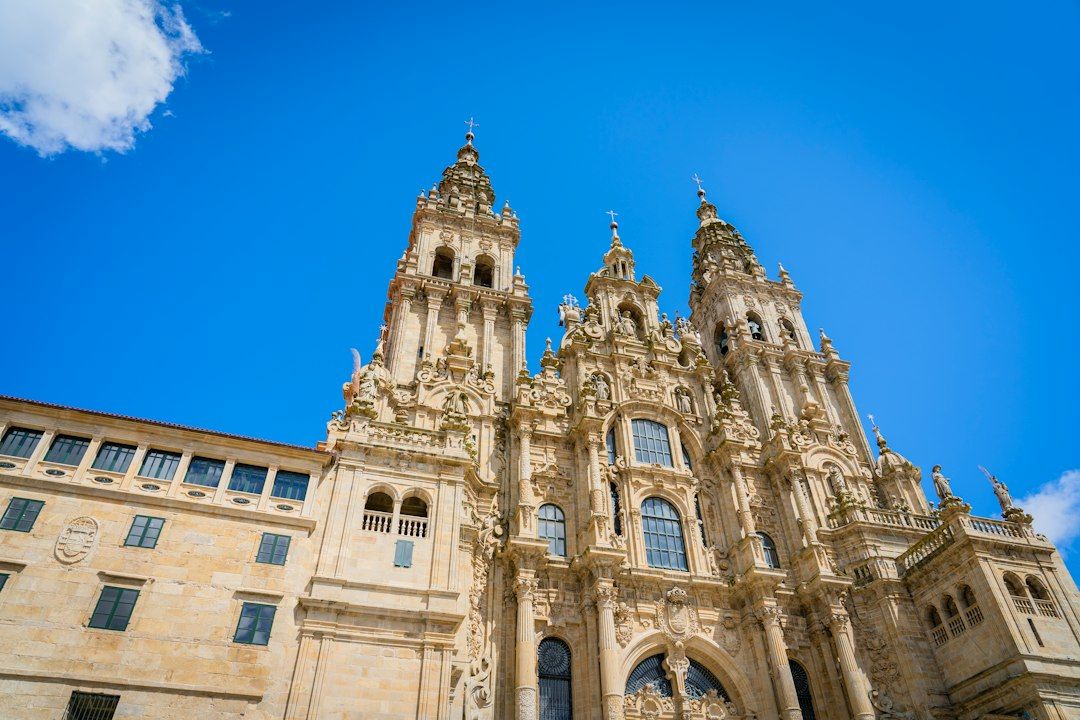
Photo by Victoriano Izquierdo on Unsplash
The Camino Through Alentejo: Regional Guide
Walking through Alentejo is like stepping into a dream where time slows down and nature takes the lead. As you embark on this section of the Camino de Santiago, starting from Lisbon, you’ll find yourself surrounded by sprawling cork oak forests, charming whitewashed villages, and a pace of life that encourages you to savor every moment. This camino Alentejo guide will help you navigate the terrain, stages, gastronomy, cultural traditions, accommodation options, and the best times to walk in this beautiful region.
What to Expect on the Camino Alentejo
The Portuguese Camino through Alentejo is a unique experience that blends rural beauty with rich history. As you walk, the landscape transforms from urban settings in Lisbon to the tranquil countryside filled with cork oaks, olive groves, and vineyards. The air is often filled with the scent of wild herbs, and the sounds of nature accompany you on your journey. Expect a variety of terrains, including gentle hills and flat stretches, making it accessible for walkers of different abilities.
The stages of the Camino Alentejo are usually divided into manageable segments. Starting from Lisbon, you'll pass through towns like Almada, Setúbal, and Évora before heading towards the Spanish border. Each stage offers its own charm and local attractions, providing ample opportunities to rest, refuel, and explore.
Gastronomy Highlights
One of the joys of walking through Alentejo is the hearty cuisine that reflects the simplicity and richness of the land. Traditional dishes like “Açorda” (a bread and garlic soup) and “Migas” (a dish made from leftover bread and seasonings) are must-tries. You’ll also want to sample the famous “Queijo de Serpa” (sheep's cheese) and enjoy the wide variety of regional wines, particularly the robust reds that the area is known for.
Don’t forget to indulge in local pastries, especially the delightful “Pão de Rala,” a sweet bread made with almonds and sugar, perfect for a quick snack on the trail. Many villages have small taverns where you can enjoy authentic meals, often made from locally sourced ingredients. Embrace the opportunity to share a meal with fellow pilgrims, as these moments often lead to cherished memories and friendships.
👉 The Camino Through Navarra: Regional Guide
Cultural Traditions
As you walk, you’ll notice the deep-rooted traditions of the Alentejo region. The locals are known for their warm hospitality and love for their cultural heritage. Festivals celebrating local saints, music, and dance often take place in the villages along the way. Be sure to engage with the local community; they are usually more than happy to share stories about their traditions, folklore, and the significance of the Camino.
You may also encounter traditional crafts, such as pottery and weaving, showcasing the artistic spirit of Alentejo. These handmade products make great souvenirs and are a wonderful way to support local artisans.
Accommodation Options
The accommodation along the Camino de Alentejo ranges from hostels and guesthouses to hotels, catering to different budgets and preferences. Many pilgrims opt for albergues, which are communal hostels specifically for walkers. Staying in an albergue can enhance your journey, as it provides a chance to meet fellow travelers and share experiences.
In larger towns like Évora, you’ll find more upscale options, while smaller villages may offer charming guesthouses that reflect the local architecture. It’s advisable to book accommodations in advance during peak seasons, especially in popular stopping points.
👉 The Camino Through La Rioja: Regional Guide
Best Time to Walk
The best time to walk the Camino Alentejo is during the spring (April to June) and fall (September to October). During these months, the weather is typically mild, making your walks more enjoyable. Summer can be quite hot, especially in July and August, with temperatures often soaring above 30 degrees Celsius (86 degrees Fahrenheit). Walking early in the morning or later in the evening can help you avoid the heat, but be prepared for a more challenging experience.
Terrain
The terrain of the Camino Alentejo is generally gentle and easy to navigate, making it suitable for walkers of all fitness levels. While there are some rolling hills, most paths are well-maintained and offer a mix of dirt trails and quiet roads. Be sure to wear sturdy walking shoes and bring plenty of water, especially during warmer months. As you walk, take the time to absorb the breathtaking views and appreciate the natural beauty surrounding you.
In conclusion, walking the Camino through Alentejo is a rewarding experience that will leave you with lasting memories. From the stunning landscapes and rich gastronomy to the vibrant culture and warm hospitality, this section of the Camino de Santiago has something for everyone. If you're considering planning your journey, remember that at SenderoX, you can work with Santiago, a personal assistant who will help you create a personalized itinerary to suit your needs. Enjoy your pilgrimage, and may it be filled with discovery and joy!
Your personalized itinerary in minutes
Choose your route, start and dates, and in a minute get your itinerary day by day: where to sleep, maps of each stage and a PDF. Free.
Start Planning