The Camino Through Asturias: Regional Guide
October 20, 2026 · 5 min read
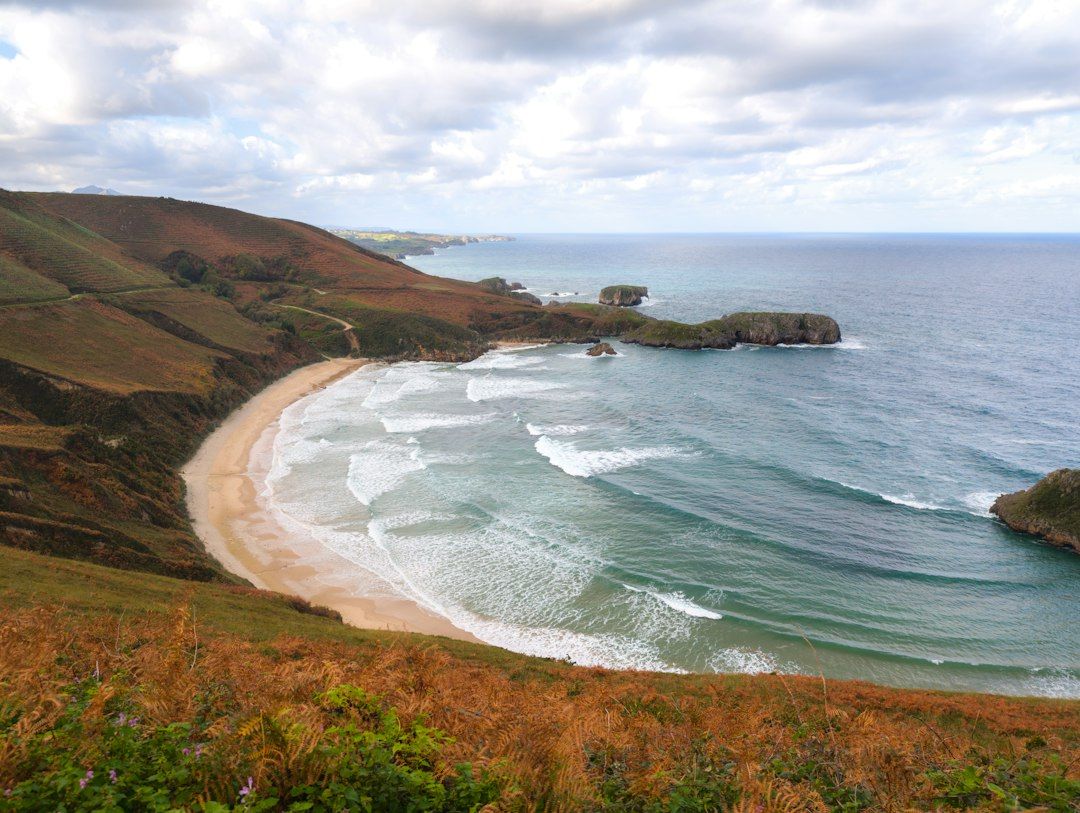
Photo by David Vives on Unsplash
The Camino Through Asturias: Regional Guide
Walking through Asturias: An Overview
If you're looking to embark on a truly unique and breathtaking segment of the Camino de Santiago, the Asturias region is a must. This area, known for its striking landscapes, rich culture, and delicious gastronomy, offers a remarkable experience for all pilgrims. The Camino Primitivo, which passes through Asturias, is often regarded as the original route to Santiago and provides a blend of stunning coastlines, rugged mountains, and charming villages. In this Camino Asturias guide, you'll find everything you need to know to make your pilgrimage memorable.
The Route and Stages
The Camino Primitivo begins in the historic city of Oviedo, the capital of Asturias, and stretches approximately 320 kilometers to Santiago de Compostela. The route is divided into stages, each offering its own unique experiences and challenges.
The first stage from Oviedo to Grado is relatively gentle, making it a great way to ease into your journey. As you stroll through lush countryside and quaint villages, you’ll begin to soak in the tranquility of Asturias. The second stage, Grado to Salas, features some gentle climbs but rewards you with scenic views and the chance to taste local cider, a staple of Asturian culture.
As you progress, the terrain becomes more demanding. The third stage from Salas to Tineo takes you through beautiful forests and rolling hills. Tineo is a charming town where you can find pre-Romanesque churches, a testament to the region's rich history. The stages continue onward, leading you through the breathtaking landscapes of the Picos de Europa National Park before heading down to the coastal town of Luarca.
Dramatic Coastline and Mountain Terrain
One of the standout features of the Camino through Asturias is its varied terrain. You’ll experience everything from coastal paths with dramatic cliffs overlooking the Atlantic Ocean to rugged mountain trails that challenge your stamina. The coastline, dotted with charming fishing villages, offers picturesque views and opportunities to relax by the sea.
In contrast, the mountainous sections of the route provide a different kind of beauty. The Picos de Europa, with their towering peaks and deep valleys, create a backdrop that is both humbling and inspiring. Each step in this mountainous terrain brings you closer to nature, and the air is often filled with the fragrant scents of pine and wildflowers.
Gastronomy Highlights
Asturian cuisine is a delightful experience for pilgrims. The region is famous for its cider, which is not just a drink but a cultural experience. Be sure to try "sidra" served in traditional manner, poured from a height. The local gastronomy also features hearty dishes like "fabada asturiana," a rich bean stew that will fuel you on your journey.
👉 The Camino Through Navarra: Regional Guide
Don’t miss out on sampling "cabrales" cheese, a strong blue cheese that pairs perfectly with fresh bread and cider. Each village you pass through often boasts its own unique culinary offerings, making every meal a little adventure in itself.
Cultural Traditions
Asturias is steeped in cultural traditions that add depth to your pilgrimage. The region is known for its pre-Romanesque architecture, with churches like San Julián de los Prados standing as remarkable examples of early medieval art. As you walk, keep an eye out for local festivals celebrating everything from cider to the harvest.
The spirit of hospitality is ingrained in the culture, and you’ll often find local residents eager to share stories and traditions with pilgrims. Engaging with the locals not only enriches your experience but can also lead to lasting friendships.
Accommodation Options
Finding a place to rest is essential for any pilgrim, and Asturias offers a range of accommodation options. From albergues (hostels) specifically catered to pilgrims to cozy guesthouses and rural hotels, you’ll have no shortage of choices. Many albergues provide a friendly atmosphere where you can swap stories with fellow walkers, share a meal, and recharge for the next day's journey.
It’s a good idea to book your accommodation in advance, especially during the peak walking season, which typically runs from May to October. This way, you can ensure you have a comfortable place to rest your head after a day of walking.
Best Time to Walk
The best time to walk the Camino through Asturias is during the spring and early autumn months. The weather is generally mild, with beautiful blooming landscapes in spring and stunning autumn foliage. Summers can get quite warm, while winter can bring challenging weather conditions, particularly in the mountains.
👉 The Camino Through La Rioja: Regional Guide
As you plan your journey, keep in mind that the weather can be unpredictable, so packing layers and a good rain jacket is essential.
Terrain and Preparation
The terrain on the Camino Primitivo is diverse, with some challenging sections, particularly in the mountains. It’s important to prepare physically before your trip so that you can fully enjoy the experience. Regular walking and training on varied terrain will help you build the stamina needed for this pilgrimage.
Having a sturdy pair of hiking boots is crucial, as you’ll encounter uneven paths, rocky trails, and occasionally slippery surfaces. Make sure to break in your boots before hitting the Camino to avoid blisters.
Final Thoughts
Walking the Camino through Asturias is more than just a journey; it's an opportunity to connect with nature, history, and culture. From the stunning landscapes to the warm hospitality of the locals, every moment spent on this route is a chance to reflect and rejuvenate.
If you're considering planning your Camino, look no further than SenderoX. They can help you design a personalized itinerary with Santiago, your personal assistant for the journey. With their expertise, you can focus on the walk ahead while they handle the details, ensuring your pilgrimage through Asturias is everything you hope for and more.
Your personalized itinerary in minutes
Choose your route, start and dates, and in a minute get your itinerary day by day: where to sleep, maps of each stage and a PDF. Free.
Start Planning