The Camino Through Cantabria: Regional Guide
October 19, 2026 · 4 min read
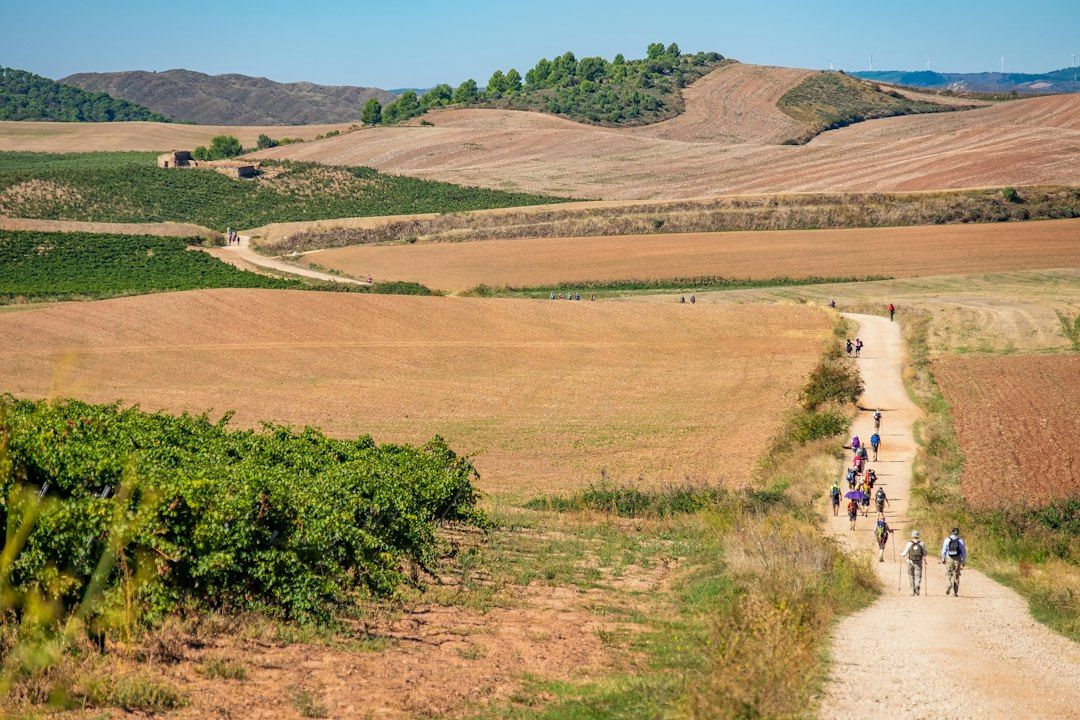
Photo by Burkard Meyendriesch on Unsplash
The Camino Through Cantabria: Regional Guide
Walking through Cantabria is an experience that blends breathtaking natural beauty with rich cultural heritage. As you traverse this northern Spanish region on the Camino de Santiago, known as the Camino Norte, you'll find yourself surrounded by stunning coastlines, majestic mountains, and charming towns that offer a glimpse into the local way of life. This guide will help you navigate through Cantabria, highlighting what to expect along the way, including stages, gastronomy, cultural traditions, accommodation options, the best times to walk, and the terrain you will encounter.
The Camino Norte: An Overview
The Camino Norte is the northern route of the Camino de Santiago. It stretches along the northern coast of Spain, taking you through several regions, including Cantabria. This section of the Camino is known for its picturesque landscapes, which change from lush green hills to rugged coastlines, all while offering stunning views of the Picos de Europa mountains. The route is generally well-marked, making it accessible for both seasoned walkers and those new to the pilgrimage.
Stages of the Camino in Cantabria
As you walk through Cantabria, you will encounter several key stages. Starting from the border with the Basque Country, the first significant stop is in the coastal town of Laredo. From Laredo, the route continues to Santoña, famous for its anchovy fishing ports. After Santoña, you will head towards the charming town of Noja, where beautiful beaches provide a perfect spot to rest and recharge.
Continuing your journey, you'll arrive in the historic town of Santillana del Mar, known for its cobbled streets and the nearby Altamira Cave, famous for its prehistoric cave paintings. The route then leads you to Comillas, where you can admire the stunning architecture, including the remarkable El Capricho designed by Antoni Gaudí. Finally, the path takes you through San Vicente de la Barquera, with its picturesque views of the Picos de Europa mountains in the background, before continuing towards the next region of Asturias.
Gastronomy Highlights
One of the joys of walking the Camino is indulging in the local cuisine, and Cantabria is no exception. The region is famous for its fresh seafood, particularly anchovies from Santoña. You’ll find numerous bars and restaurants offering delicious tapas featuring these local delicacies. Another highlight is the Cantabrian stew, a hearty dish made with beans, meat, and seasonal vegetables.
👉 The Camino Through Navarra: Regional Guide
Don’t miss trying the region’s artisanal cheeses, such as Queso de Cabrales, a strong blue cheese that pairs well with local wines. For dessert, look for the traditional pastry known as sobao pasiego, a sweet sponge cake that is perfect for refueling after a long day of walking.
Cultural Traditions
Cantabria is rich in cultural traditions that reflect its history and way of life. As you walk through the region, you may come across local festivals celebrating everything from ancient customs to culinary delights. The region is also known for its folk music, with traditional instruments like the gaita (bagpipe) often featured in local celebrations.
Visiting local churches and historical sites, such as the medieval monastery of Santo Toribio de Liébana, provides insight into the spiritual significance of the Camino. Engaging with locals can offer a deeper understanding of their customs and way of life, making your pilgrimage even more enriching.
Accommodation Options
Finding a place to rest at the end of a day’s walk is crucial, and Cantabria offers a range of accommodations. In larger towns like Santoña and Santillana del Mar, you’ll find hotels, guesthouses, and hostels catering to pilgrims. Many establishments provide amenities specifically for walkers, such as laundry services, packed lunches, and secure bike storage.
👉 The Camino Through La Rioja: Regional Guide
In smaller villages, you may find charming albergues (hostels for pilgrims) that offer a more communal experience. Staying in these albergues allows you to meet fellow pilgrims, share stories, and enjoy the camaraderie that comes with walking the Camino.
Best Time to Walk
The best time to walk the Camino through Cantabria is during the spring and early autumn months. From April to June and September to October, the weather is generally mild, making for pleasant walking conditions. Summer months can be busy, especially in tourist hotspots, and the heat might be a challenge for some pilgrims.
Terrain and What to Expect
The terrain in Cantabria varies from coastal paths to rolling hills and more rugged mountain trails. You will often find yourself walking alongside breathtaking cliffs with views of the Atlantic Ocean, and the gentle hills leading to the Picos de Europa are a sight to behold. The paths are generally well-maintained, but be prepared for some uneven surfaces and occasional steep climbs. Proper footwear and preparation are essential to ensure a comfortable journey.
In conclusion, walking the Camino through Cantabria is a rewarding experience filled with stunning landscapes, rich culture, and delicious gastronomy. Whether you're captivated by the coastal views or the historical significance of the towns along the way, this part of the Camino offers something for every type of pilgrim. If you're planning your adventure, consider reaching out to SenderoX, where Santiago, a personal assistant, can help you create personalized itineraries to make your Camino unforgettable.
Your personalized itinerary in minutes
Choose your route, start and dates, and in a minute get your itinerary day by day: where to sleep, maps of each stage and a PDF. Free.
Start Planning