The Camino Through Galicia: Regional Guide
October 17, 2026 · 5 min read
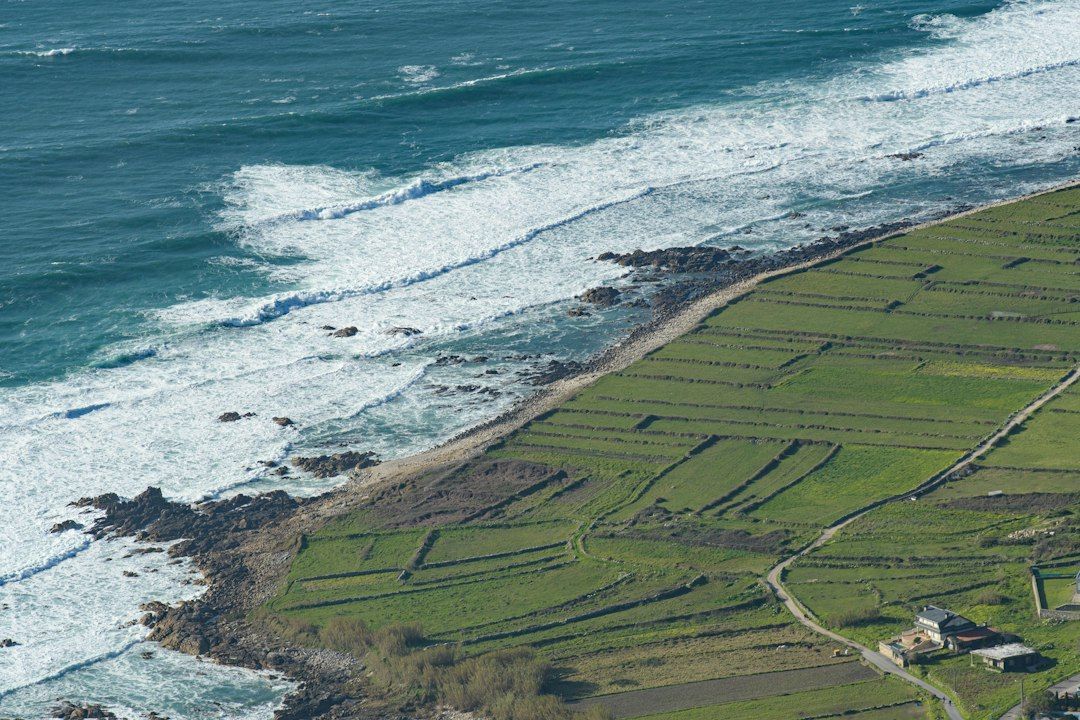
Photo by Natalia Gusakova on Unsplash
The Camino Through Galicia: Regional Guide
Ah, Galicia. Just the mention of this enchanting region of Spain conjures images of lush greenery, ancient stone structures, and a sense of mystique that feels almost otherworldly. As you embark on your journey along the Camino de Santiago, the path through Galicia stands out as a unique experience that combines breathtaking natural beauty with rich cultural heritage. This Camino Galicia guide aims to help you navigate through this Celtic green land, where each step offers something new and delightful.
Walking Through Galicia: The Celtic Green Land
As you set foot in Galicia, you’ll quickly notice the difference in the landscape. The rolling hills are covered in vibrant green foliage, thanks to the abundant rainfall that blesses this region. Eucalyptus trees swaying in the breeze, granite outcrops, and fields filled with wildflowers create a picturesque backdrop for your pilgrimage. The rain can be frequent, but it only adds to the charm. The soft patter against your rain jacket becomes a comforting rhythm, reminding you of nature's embrace.
The Camino de Santiago through Galicia is the final stretch of your journey, leading you to the iconic Santiago de Compostela. This segment is not just about reaching your destination; it’s about soaking in the essence of Galicia. The terrain varies from gentle hills to some steeper inclines, making it accessible for pilgrims of all fitness levels. Each stage of the Camino offers its own unique scenery and experiences.
Stages of the Camino in Galicia
The stages of the Camino in Galicia are typically divided into the last 100 kilometers leading into Santiago, which is enough to earn you your Compostela certificate. The most popular route is the Camino Francés, which enters Galicia at the town of O Cebreiro. From there, you’ll journey through charming towns like Triacastela, Sarria, Portomarín, and Palas de Rei before reaching the bustling city of Santiago de Compostela.
Each stage has its highlights. O Cebreiro, for instance, is famous for its unique round stone houses called pallozas, which have been standing for centuries. Sarria is the most common starting point for many pilgrims, and its vibrant atmosphere is infectious. Portomarín, perched on the banks of the Miño River, has a fascinating history, including a church that was moved stone by stone from its original site due to the construction of a dam.
Gastronomy Highlights
No journey through Galicia would be complete without indulging in the local cuisine. The region is renowned for its seafood, particularly octopus, which is often served as "pulpo a la gallega." This dish features tender octopus seasoned with paprika and served on a wooden platter. Pair that with a glass of Albariño, a crisp white wine that perfectly complements the flavors of the sea.
👉 The Camino Through Navarra: Regional Guide
You’ll also want to try “lacón con grelos,” a traditional dish made with pork shoulder and turnip tops, as well as numerous varieties of empanadas that fill the air with mouthwatering aromas. Each meal is an opportunity to connect with the rich culinary traditions that have been passed down through generations.
Cultural Traditions and Festivals
Galicia is steeped in traditions that reflect its Celtic roots. The region has a distinct cultural identity, which is evident in its music, dance, and festivals. You might hear the haunting sounds of the gaita, a traditional Galician bagpipe, wafting through the air as you pass through towns.
The region hosts numerous festivals throughout the year, celebrating everything from local saints to the harvest season. If you're fortunate enough to be in Galicia during the Feast of Santiago on July 25th, you’ll experience a vibrant celebration filled with music, dance, and communal feasting.
Accommodation Options
As you walk through Galicia, you'll find a range of accommodation options to suit every pilgrim’s needs. From albergues (hostels) that welcome weary travelers to charming guesthouses and hotels, there’s something for everyone. Many albergues offer a friendly atmosphere where you can meet fellow pilgrims and share stories over a simple meal.
It's advisable to book your accommodation in advance, especially during peak pilgrimage seasons, to ensure you have a place to rest after your daily trek.
👉 The Camino Through La Rioja: Regional Guide
Best Time to Walk the Camino in Galicia
The best time to walk the Camino in Galicia is during the spring (April to June) and early autumn (September to October). The weather is generally mild, the landscapes are lush, and the trails are less crowded than in July and August. However, be prepared for rain at any time of year; it’s part of the charm and allure of Galicia.
Terrain and Trail Conditions
The terrain in Galicia can be a mix of well-maintained paths, rural roads, and occasional rocky stretches. Overall, the trail is manageable for most walkers, but good footwear is essential. The mix of natural beauty and historical sites along the way makes every step worthwhile.
In conclusion, walking through Galicia on the Camino de Santiago is an experience that will linger in your heart long after you've returned home. The lush landscapes, delicious food, rich cultural traditions, and the camaraderie of fellow pilgrims create a pilgrimage like no other.
If you’re looking to plan your Camino journey through Galicia, consider reaching out to SenderoX. They offer a personal assistant named Santiago who can help create personalized itineraries tailored to your preferences and needs. With their expertise, you can focus on the journey and the joy of walking, leaving the logistics in capable hands. Happy travels on your Camino!
Your personalized itinerary in minutes
Choose your route, start and dates, and in a minute get your itinerary day by day: where to sleep, maps of each stage and a PDF. Free.
Start Planning